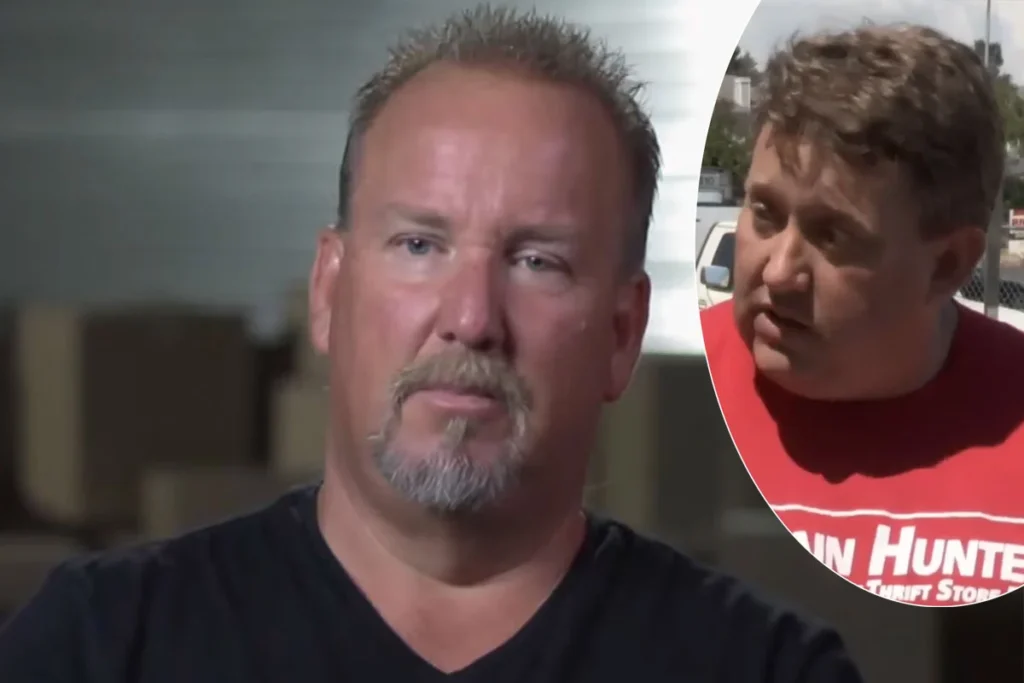

The entertainment world is grappling with the sudden and tragic passing of Darrell Sheets, a prominent figure from the popular reality television series Storage Wars. Sheets, affectionately known as "The Gambler" to fans, was reportedly found deceased in what TMZ, citing law enforcement officials, described as a self-inflicted gunshot wound to the head. However, the circumstances surrounding his death have been thrust into a complex spotlight by his co-star, Rene Nezhoda, who has come forward with new, concerning details regarding alleged persistent cyberbullying against Sheets and has openly questioned the reported cause of death, suggesting a potential link to the harassment. The Lake Havasu Police Department has confirmed an ongoing investigation into Sheets’ death, leaving many questions unanswered about the final days of the beloved reality TV personality.
The Life and Legacy of "The Gambler"
Darrell Sheets rose to national prominence as one of the original cast members of A&E’s Storage Wars, which premiered in 2010. The show captivated audiences by chronicling the high-stakes world of professional buyers who bid on the contents of abandoned storage units, hoping to uncover hidden treasures. Sheets quickly became a fan favorite, known for his distinctive cowboy hat, gruff demeanor, and an uncanny ability to spot valuable items among junk. His catchphrase, "What do we got here? What do we got?" and his often unpredictable bids, sometimes paying thousands for units that yielded little, earned him the moniker "The Gambler." Over the years, he made significant finds, including a collection of valuable comic books, a rare art piece, and even a letter purportedly written by Abraham Lincoln, further cementing his reputation as a shrewd, albeit risky, bidder. His journey on the show, often accompanied by his son Brandon, provided viewers with a glimpse into the competitive and often cutthroat world of storage unit auctions, making him a household name. Sheets’ larger-than-life personality and genuine passion for the hunt endeared him to millions, establishing him as a beloved figure in the realm of reality television. Beyond the cameras, Sheets was known for his dedication to his family and his often-expressed desire to live a life free from regret, sentiments that now cast a poignant shadow over the unfolding events.
A Troubling Chronology of Alleged Harassment
The narrative surrounding Darrell Sheets’ death has been significantly complicated by Rene Nezhoda’s revelations of a prolonged campaign of alleged cyberbullying. According to Nezhoda, Sheets had been a target of harassment for approximately three years leading up to his death. This sustained torment reportedly included impersonation through phone calls, messages, emails, and the creation of malicious websites designed to defame and disrupt Sheets’ life. Nezhoda explicitly quoted the alleged perpetrator as stating, "I’m gonna ruin you," indicating a clear intent to cause severe damage to Sheets’ reputation and well-being.
The intensity of this alleged harassment escalated in the weeks before Sheets’ passing. Nezhoda pointed to Sheets’ social media activity as crucial evidence, noting that Sheets had begun to withdraw from online platforms, a significant shift for a public figure who often engaged with fans. More disturbingly, Sheets made explicit posts on Facebook around March 9, cautioning his followers about specific individuals. In these posts, he reportedly stated, "Hey guys, I’m happy. Everything is great — if anything happens to me, look at these people. These are the people." This public declaration, which included naming individuals and detailing the alleged campaign against him, served as a stark warning and an apparent premonition of potential danger. The fact that his death occurred approximately a month after these alarming posts has naturally raised profound questions and fueled suspicions among his peers and fans.
Compounding these revelations, it has emerged that Darrell Sheets had taken concrete steps to address the cyberbullying. Prior to his death, he had filed an official report with the Lake Havasu Police Department, documenting the ongoing harassment. This action underscores the severity of the situation and Sheets’ genuine concern for his safety and reputation, indicating that he perceived the threats as credible and deeply disturbing. The police report now forms a critical component of the ongoing investigation, offering a potential official record of the alleged torment Sheets endured.
Rene Nezhoda’s Doubts and the Shadow of Mark Balelo
Rene Nezhoda, a fellow Storage Wars personality, expressed profound skepticism regarding the initial reports of Sheets’ death as a suicide. In an interview with Us Weekly, Nezhoda articulated his doubts, stating, "I am 50/50, if he even did that [to himself]. I don’t know." His uncertainty stems from what he described as Sheets’ deeply held convictions against suicide, a stance forged, in part, by a previous tragedy within the Storage Wars family.
Nezhoda referenced the death of another Storage Wars cast member, Mark Balelo, who tragically died by apparent suicide in 2013 at the age of 40. Balelo, known as "Rico Suave" on the show, was a popular figure whose death sent shockwaves through the show’s community. Nezhoda recounted Sheets’ reaction to Balelo’s passing, stating, "We also had Mark Balelo on the show [die by suicide], and when that happened Darrell was very against what he did. He’s like, ‘You can’t do that. That’s not an out. He can’t go to heaven, none of that stuff.’" This strong, vocal opposition to suicide from Sheets makes it difficult for Nezhoda to reconcile the reported cause of death with the man he knew. Sheets’ spiritual beliefs and his condemnation of suicide as a solution to life’s challenges suggest a deeply rooted moral framework that, to Nezhoda, would preclude such an act.
Nezhoda further elaborated on the potential psychological toll of cyberbullying, even if it were not the sole cause of death. He acknowledged the inherent difficulty in understanding "what’s in someone’s head and what pushed them over the edge." However, he firmly asserted that relentless harassment, particularly targeting a public figure already facing personal struggles, could only exacerbate a vulnerable state. "I’m not saying he did it because of the cyberbullying. But if you’re down and out and somebody steps on your throat for fun or because they think they’re entitled to do that because you’re famous… I don’t think that helps the situation," Nezhoda stated. His words highlight the insidious nature of cyberbullying, which can chip away at an individual’s mental resilience, making them more susceptible to despair, even if other factors are at play.
Reality Television, Public Scrutiny, and Mental Health
The tragic passing of Darrell Sheets, coupled with the allegations of cyberbullying, casts a harsh light on the often-unseen pressures faced by individuals in the realm of reality television. While reality shows like Storage Wars offer a unique pathway to fame and financial success, they also expose participants to unprecedented levels of public scrutiny, criticism, and online harassment. The "reality TV curse" is a term often used to describe the pattern of mental health struggles, substance abuse issues, and even premature deaths that have plagued numerous individuals who have risen to fame through these programs.
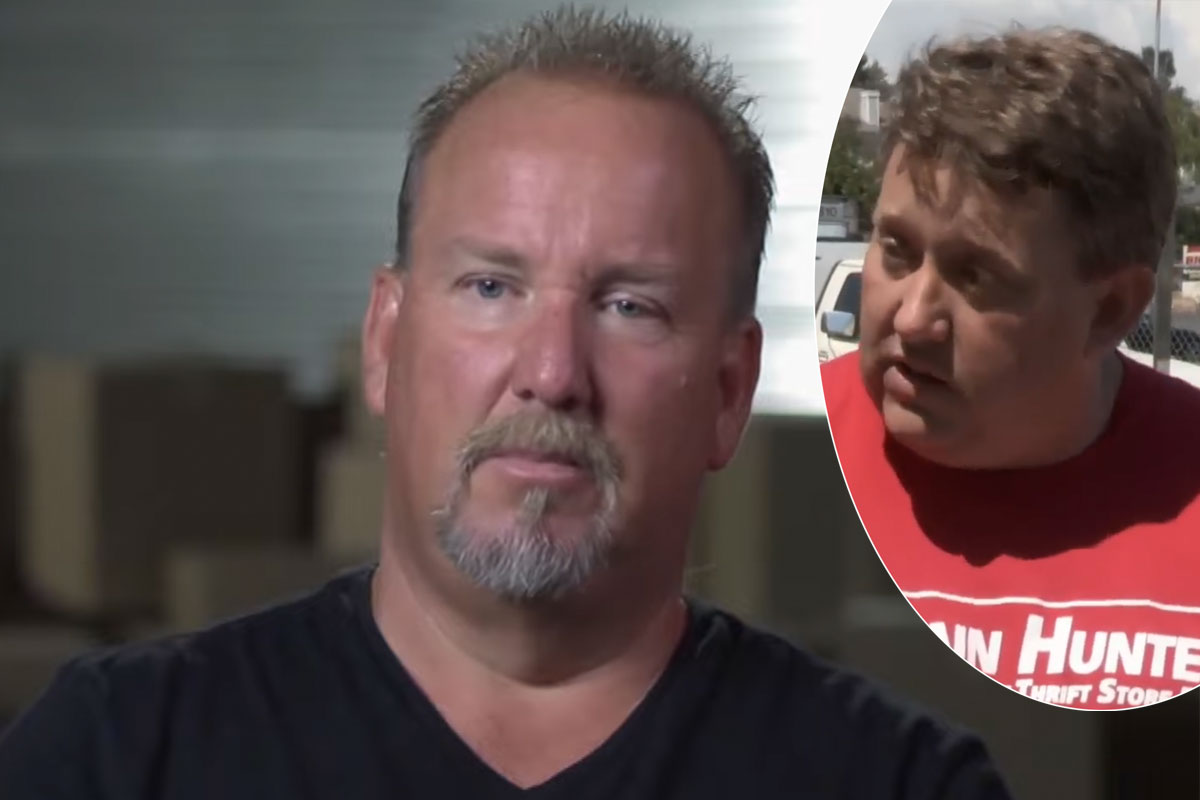
The very nature of reality television, which often relies on editing and dramatic narratives, can create personas that differ significantly from an individual’s true self. This can lead to a disconnect between the public’s perception and the star’s reality, making them targets for online attacks. Social media, while a tool for fan engagement, also provides an anonymous platform for bullies to launch relentless campaigns of hate, misinformation, and personal attacks. Studies have shown a strong correlation between exposure to cyberbullying and increased rates of anxiety, depression, post-traumatic stress disorder, and suicidal ideation among victims. Public figures, who are often expected to have thick skin, can be particularly vulnerable, as the sheer volume and constant nature of online negativity can be overwhelming.
The entertainment industry has begun to acknowledge the mental health crisis among its reality TV stars, with some networks and production companies implementing stricter psychological evaluations and offering support services. However, the transient nature of many reality TV contracts and the rapid ascent to fame often mean that participants are ill-equipped to handle the intense public scrutiny and the dark side of digital engagement. Darrell Sheets’ case serves as a stark reminder that beneath the captivating narratives and colorful personalities, reality TV stars are individuals susceptible to the same vulnerabilities as anyone else, with the added burden of living their lives under a digital microscope.
The Pervasiveness and Peril of Cyberbullying
Cyberbullying, as allegedly experienced by Darrell Sheets, is a pervasive and insidious form of harassment that utilizes electronic communication to bully a person, typically by sending messages of an intimidating or threatening nature. Unlike traditional bullying, cyberbullying can occur 24/7, reaching victims in their homes and personal spaces, and often involves a broad audience, amplifying the shame and distress. The anonymity often afforded by the internet can embolden perpetrators, leading to more aggressive and sustained attacks.
The forms of cyberbullying are varied and insidious:
- Harassment: Sending repeated offensive or threatening messages.
- Denigration: Spreading rumors or gossip about someone online.
- Impersonation: Pretending to be someone else to post negative content or send messages, as allegedly happened to Sheets.
- Exclusion: Intentionally leaving someone out of an online group.
- Outing/Trickery: Sharing someone’s secrets or embarrassing information online, or tricking someone into revealing sensitive information.
- Flaming: Engaging in angry, online arguments, often using vulgar language.
- Cyberstalking: Repeatedly sending messages or contacting someone online, often accompanied by threats.
The psychological impact on victims can be devastating. Research from organizations like the Cyberbullying Research Center indicates that victims frequently experience severe emotional distress, including feelings of sadness, anger, fear, and hopelessness. It can lead to a decline in self-esteem, academic performance, and social withdrawal. In extreme cases, like the one allegedly involving Sheets, the relentless nature of cyberbullying has been linked to severe mental health crises, including clinical depression and suicidal ideation. The permanence of digital content also means that negative information, once posted, can be incredibly difficult to remove, leaving a lasting digital scar on the victim’s reputation and mental state. While legal frameworks are evolving to address cyberbullying, prosecution remains challenging due to issues of jurisdiction, anonymity, and the sheer volume of online activity.
Official Investigation and Industry Implications
The Lake Havasu Police Department’s ongoing investigation into Darrell Sheets’ death is critical in bringing clarity to this complex and tragic situation. Their role involves a thorough examination of the scene, forensic analysis, review of any medical records, and crucially, an investigation into the cyberbullying claims. This includes verifying the police report filed by Sheets, examining his social media accounts, and attempting to identify and interview individuals allegedly involved in the harassment. The official cause of death will only be determined after a complete autopsy and review of all available evidence, which could take weeks or even months. Until then, any reported cause remains preliminary.
The revelations surrounding Sheets’ death carry significant implications for the reality television industry and for public awareness campaigns against online harassment. For networks like A&E, which broadcasts Storage Wars, this incident serves as a stark reminder of their responsibility to protect their talent, not just on set but also in their private lives, particularly from the adverse effects of public exposure. This could lead to further discussions about enhanced mental health support, legal assistance for harassment, and more proactive measures to monitor and address online threats against cast members.
Beyond the entertainment industry, Sheets’ case may serve as a potent example in broader discussions about cyberbullying. It highlights that no one, regardless of their public persona or perceived resilience, is immune to the devastating effects of online abuse. It underscores the urgent need for stronger enforcement mechanisms against cyberbullies, greater accountability for social media platforms in curbing harassment, and continued public education on the profound, sometimes fatal, consequences of digital aggression.
As the investigation unfolds, the entertainment community and fans alike await official confirmation and further details, hoping for answers that might bring a measure of understanding to the untimely passing of "The Gambler." The tragedy of Darrell Sheets’ death, intertwined with the disturbing allegations of cyberbullying, calls for a renewed focus on mental health support, online safety, and the collective responsibility to foster a more compassionate digital environment.
If you or someone you know is contemplating suicide, help is available. Consider contacting the 988 Suicide & Crisis Lifeline at 988, by calling, texting, or chatting, or go to 988lifeline.org.
For more information on cyberbullying, go to https://www.stopbullying.gov/cyberbullying/what-is-it.