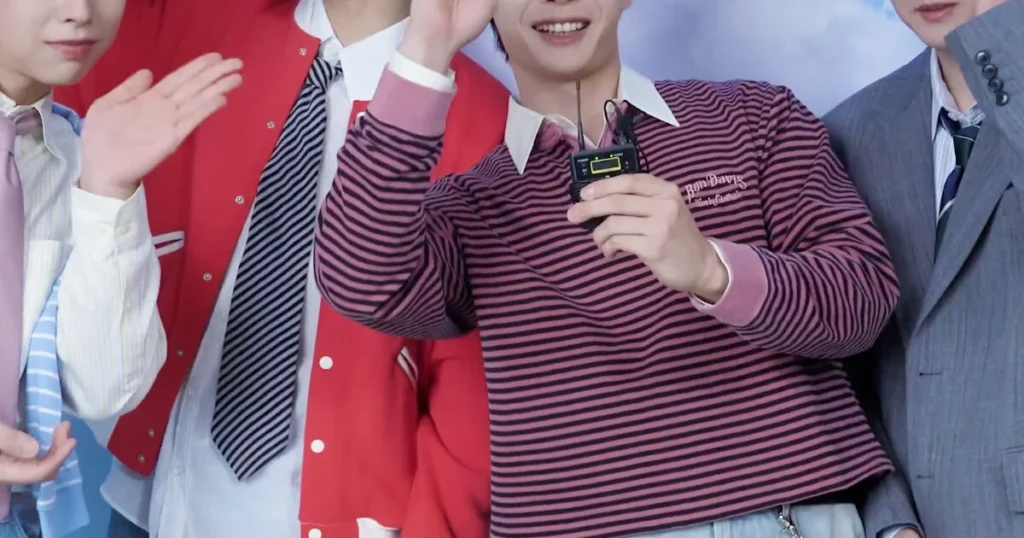

The South Korean music industry is no stranger to the intricate dynamics between artists, agencies, and their dedicated fanbases. However, a recent development involving the popular four-member band LUCY has sparked a nuanced conversation regarding the boundaries of fan engagement, the commercialization of band culture, and the weight of artist accountability. Following the announcement of an official light stick—a staple accessory in K-pop idol culture—the band faced an unexpected and swift wave of criticism from their own fandom, known as WalWal. The resulting backlash led to the immediate cancellation of the product and prompted deeply personal apologies from the band members, highlighting a unique cultural friction between the traditional "idol" model and the identity of a "live band."
Background: The Rise of LUCY and the Identity of a K-Band
To understand the intensity of the reaction, it is essential to contextualize LUCY’s position within the Korean music scene. Formed through the JTBC audition program SuperBand in 2019, LUCY—comprising Shin Yechan (violin), Choi Sangyeop (vocals/guitar), Cho Wonsang (bass/producer), and Shin Gwangil (drums/vocals)—distinguished themselves through their ambient pop sound and the rare inclusion of a violinist. Unlike traditional K-pop idol groups that focus on synchronized choreography and highly produced visual performances, LUCY is marketed and perceived primarily as a musical ensemble.
In the South Korean music ecosystem, there is often a distinction made between "idols" and "bands." While both operate within the broader K-pop industry, the expectations for their live performances differ significantly. For a band like LUCY, the fan experience is traditionally centered on the auditory quality of the performance, the technical proficiency of the instrumentalists, and a specific type of audience participation that often involves rhythmic clapping rather than the waving of light sticks.
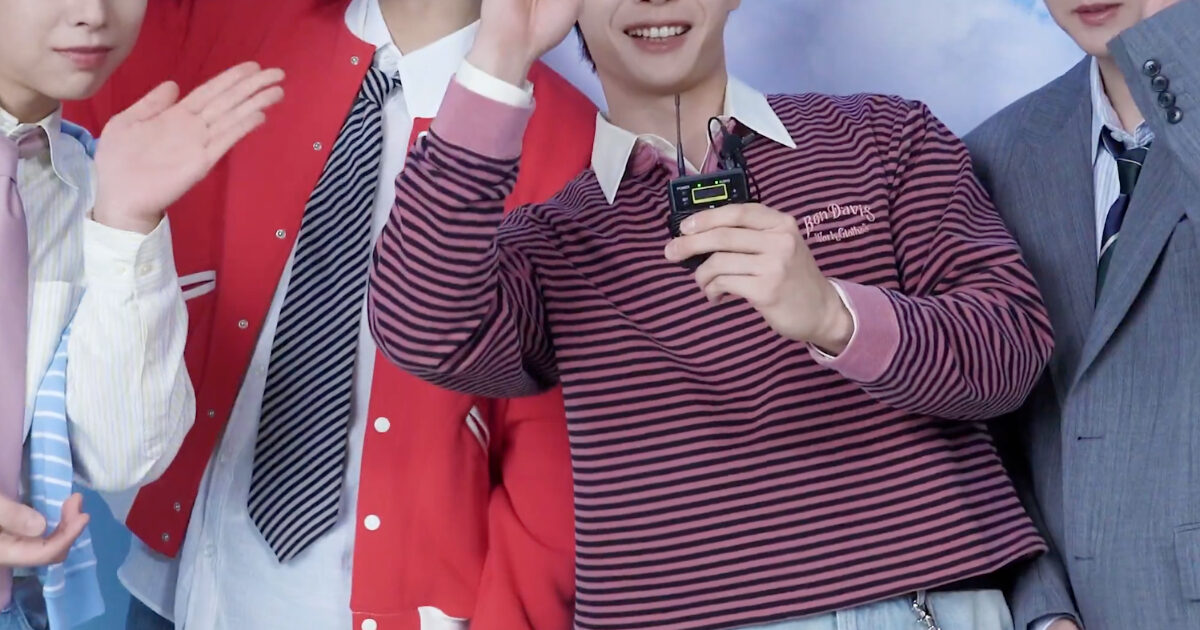
The Light Stick Announcement and Immediate Backlash
The controversy began when Mystic Story, the agency representing LUCY, unveiled the design and sales plan for the band’s first official light stick. In the K-pop world, a light stick (or "eungwon-bong") is more than just merchandise; it is a symbol of fandom identity and a primary tool for creating a "light ocean" during concerts. For most groups, the release of a light stick is a celebrated milestone.
However, for LUCY’s fans, the announcement was met with immediate skepticism and disappointment. The criticism was multifaceted:
- Cultural Incompatibility: Many fans argued that a bulky light stick is ill-suited for a band concert. Unlike idol fans who use light sticks to follow specific cheering guides, band fans often prefer to have their hands free to clap, record, or simply immerse themselves in the live instrumentation.
- Identity Concerns: There was a prevailing sentiment that the agency was attempting to "idolize" a group that has built its reputation on being a self-producing band. Fans expressed concern that the introduction of such merchandise signaled a shift in the band’s artistic direction.
- Financial Burden: With the rising costs of K-pop merchandise, some fans felt the light stick was an unnecessary expense that did not add value to the concert-going experience.
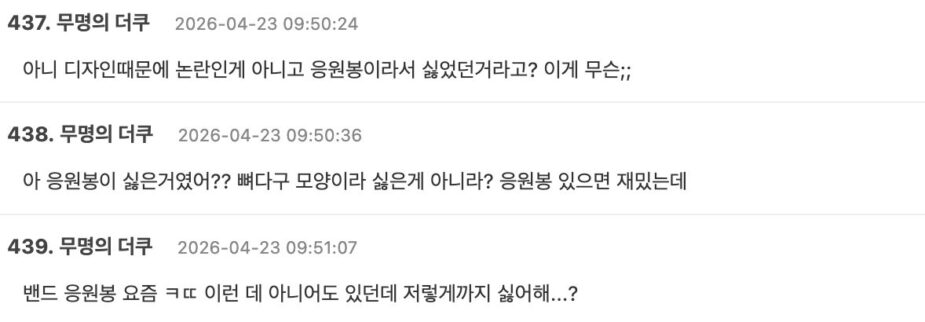
The backlash was not directed at the design of the light stick itself, which featured the band’s signature aesthetic, but rather at the fundamental concept of its existence. This distinction surprised many industry observers and casual netizens, as light sticks are usually the most requested item by any growing fandom.
Chronology of the Controversy and Agency Response
The timeline of the event moved with the rapid speed characteristic of digital fan movements in South Korea.

- Initial Announcement: Mystic Story released the teaser images and pre-order details for the light stick, expecting a positive reception similar to other groups under their umbrella.
- The Surge of Criticism: Within hours, social media platforms like X (formerly Twitter) and online communities such as TheQoo were flooded with posts from WalWal expressing their disapproval. The hashtag campaigns focused on "respecting the band’s identity" and "listening to the fans’ needs."
- Internal Deliberation: Recognizing the severity of the situation and the fact that the criticism was coming from their core supporters rather than external "anti-fans," the agency and the members entered discussions.
- The Cancellation and Apology: Less than 48 hours after the initial announcement, Mystic Story issued an official statement confirming that the production and sale of the light stick would be canceled entirely. This was followed by personal messages from the band members on fan communication platforms.
Personal Statements from Yechan and Sangyeop
The controversy took an emotional turn when the members themselves addressed the situation. In the K-pop industry, it is rare for artists to take personal responsibility for merchandise decisions, which are typically handled by management. However, LUCY members chose to be transparent about their involvement in the process.
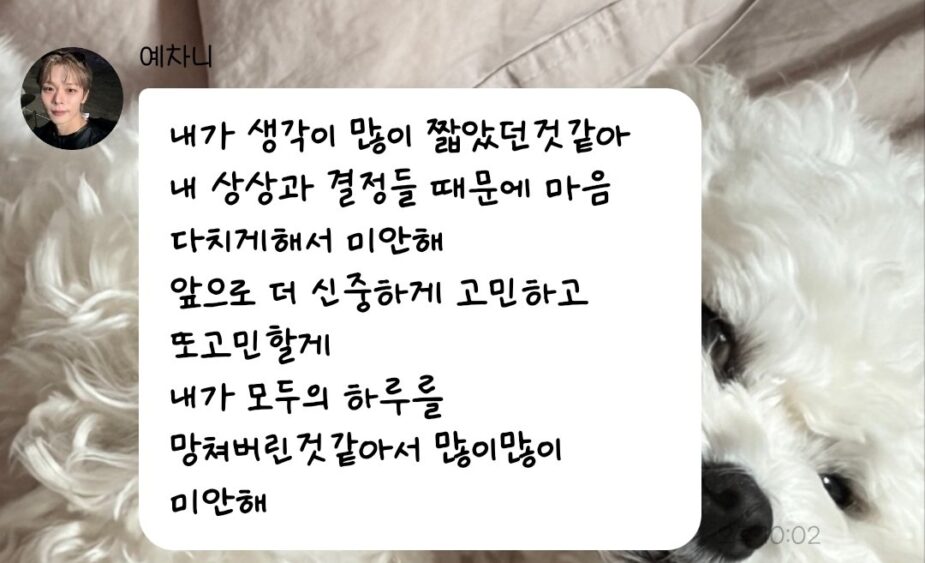
Shin Yechan, the band’s leader and violinist, posted a heartfelt apology: "I don’t think I thought through it enough. I apologize for hurting you because of my thoughts and decisions. I will be more cautious and think and think again before making any decisions. I am so, so sorry for ruining everyone’s day." His message suggested that the members had a hand in the creative or strategic decision to launch the light stick, which added a layer of sincerity to the apology.
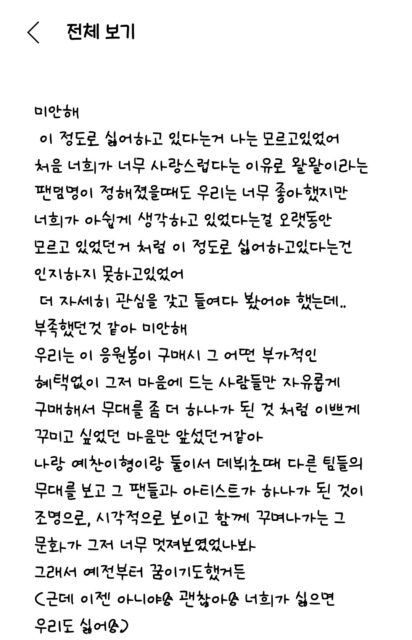
Choi Sangyeop provided further context, revealing the band’s perspective on the matter. He admitted that the members had looked at other groups with envy, seeing the unity that a light stick can bring to a stadium. "I had no idea that you guys didn’t like it that much," Sangyeop wrote. "Yechan hyung and I just loved seeing other teams becoming one with the fans with this type of culture, so this was one of our dreams." He concluded by prioritizing the fans’ comfort over their own desires: "If you guys don’t like it, we don’t like it either!"
Netizen and Public Reaction
The public reaction to the cancellation was a mix of shock and admiration for the band’s responsiveness. On the popular forum TheQoo, netizens commented on the rarity of a group canceling merchandise due to fan feedback regarding "vibe" and "culture" rather than design flaws or price gouging.
One popular comment noted, "It’s actually fascinating that the fans didn’t want it because they wanted to clap. That is so ‘band-fandom’ of them." Another netizen observed, "The members’ apologies are so sincere. You can tell they really care about the specific atmosphere of their shows."
The incident has been cited as a significant example of "fan power" in the modern era, where the consumer is not just a passive recipient of products but an active guardian of the artist’s brand and identity.
Analysis: The Economic and Cultural Implications
From a business perspective, the cancellation of a light stick represents a notable loss in potential revenue. For mid-sized agencies, light sticks are high-margin items that provide a steady stream of income, especially during tour seasons. By choosing to cancel the project, Mystic Story and LUCY prioritized long-term brand loyalty over short-term financial gain.
This event also highlights a growing trend in the Korean music industry: the "Band Renaissance." With the success of groups like LUCY, Day6, and Xdinary Heroes, the market for bands is expanding. However, this expansion brings a clash of cultures. Agencies often try to apply the proven "idol marketing" playbook—photocards, light sticks, and elaborate fan meets—to bands. LUCY’s controversy serves as a case study that this "one size fits all" approach may not always work.
For bands, the "instrument" is the primary visual and auditory focus. Fans of Day6, for example, use a "light band" that is worn on the wrist, specifically designed to allow fans to clap and move their hands freely while still participating in the light display. The fact that LUCY fans rejected a handheld stick in favor of clapping demonstrates a deep-seated commitment to the traditional band-audience dynamic.
Broader Impact on the K-pop Industry
The LUCY light stick controversy is likely to influence how other labels approach merchandise for their non-traditional groups. It underscores the importance of market research within the specific niche of a fandom rather than relying on general industry trends.
Furthermore, the transparency shown by Yechan and Sangyeop sets a precedent for artist-fan communication. By admitting that the light stick was a "dream" of theirs, they humanized the decision-making process, turning a potential PR disaster into a moment of bonding with their fans. It transformed the narrative from one of "corporate greed" to one of "misaligned artistic dreams."
As LUCY continues their journey, this incident will undoubtedly be remembered as a turning point where the band and their fans reaffirmed their shared values. The "WalWal" fandom has proven that their support is not unconditional in terms of commercial consumption, but rather deeply rooted in the preservation of the music-first culture that LUCY represents.
In conclusion, the apology and subsequent cancellation of LUCY’s light stick reflect a sophisticated evolution in the relationship between Korean artists and their supporters. It is a reminder that in the world of music, the "culture" of the performance is often more valuable than the "commerce" of the brand. Moving forward, the industry will be watching closely to see how LUCY and other bands innovate their engagement strategies to satisfy both the desire for unity and the necessity of maintaining a unique musical identity.