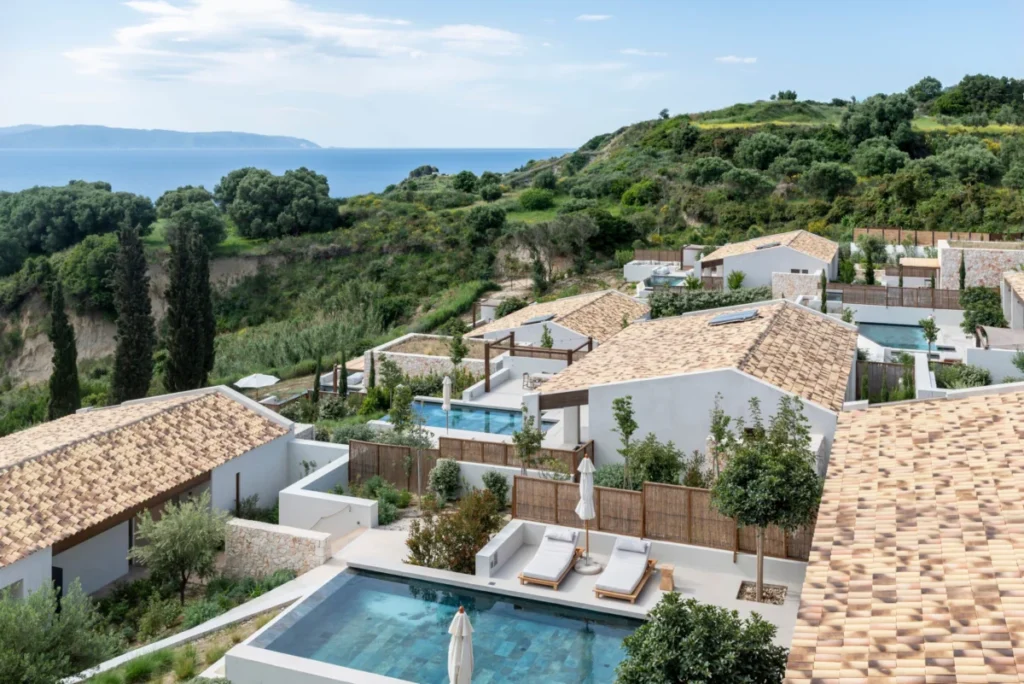

The allure of the Greek Isles has long been a cornerstone of global Mediterranean tourism, fueled by a combination of cinematic romanticism and the ubiquitous presence of the islands’ white-washed landscapes on digital media platforms. From the jagged hills of Santorini to the lush greenery of the Ionian Islands, the demand for high-end, private accommodations has seen a significant shift. While traditional hotels remain popular, the luxury villa rental market has emerged as a preferred choice for travelers seeking privacy, curated experiences, and a deeper connection to local culture.
According to data from the Greek National Tourism Organization (GNTO), tourism accounts for approximately 25% of Greece’s Gross Domestic Product (GDP). In recent years, there has been a notable pivot toward "slow travel" and secluded luxury, with the villa sector seeing a marked increase in investment. This shift is driven by a desire for bespoke services, ranging from private chefs to localized concierge teams, which allow guests to bypass the crowded "main drags" of popular destinations.
The Evolution of the Greek Villa Market: From Traditional to Meticulously Curated
Historically, Greek island accommodations were divided between large-scale resorts and modest, family-run pensions. However, the rise of specialized rental services like The Thinking Traveller, Le Collectionist, and curated platforms such as Plum Guide has transformed the landscape. These companies focus on architectural integrity, native materials, and high-level service protocols.
Industry analysts note that the modern luxury traveler is no longer satisfied with mere proximity to the sea; they require an "Instagram-ready" aesthetic combined with the functional amenities of a five-star hotel. This includes integrated smart home technology, sustainable cooling systems (such as rooftop gardens), and architectural designs that pay homage to historical influences, including Venetian, Cycladic, and Neoclassical styles.
High-End Family Retreats: Spetses and the Ionian Islands
Villa Catrine, Spetses: A Benchmark in Personalized Service
Spetses, an island historically favored by stylish Athenians and international travelers in the know, serves as a prime example of the high-end villa trend. Villa Catrine, operated by The Thinking Traveller, represents the pinnacle of this niche. Built in 2024, the property features seven bedrooms and bathrooms distributed across multiple floors, equipped with elevator access to accommodate multi-generational family groups.
The business model of The Thinking Traveller relies on exclusivity and localized expertise. With only four properties on Spetses, the company emphasizes a "concierge-first" approach, offering private boat charters and locally staffed support teams. Spetses itself provides a strategic alternative to the more crowded island of Hydra, offering a similar aesthetic with greater privacy. Rates for such properties reflect the premium on seclusion, often starting above $3,100 per night.
Eliamos, Kefalonia: Wellness and Landscape Integration
In the Ionian Sea, Kefalonia offers a different topographical experience, characterized by lush greenery and limestone cliffs. Eliamos, a Relais & Chateaux property, highlights the growing trend of "wellness-centric" villa stays. The design utilizes grey limewash walls and vaulted wood beam ceilings to ground the structure within its Mediterranean landscape.
The property functions as a hybrid between a private residence and a boutique resort, offering saltwater pools and private gardens alongside communal experiences like culinary classes and bike tours. This "choose-your-own-adventure" style is increasingly popular among families who desire the autonomy of a villa but the amenities of a high-end hotel.
Architectural Heritage and Historical Preservation
Lesante Cape, Zakynthos: Reclaiming the Past
Architectural integrity is a primary driver in the luxury sector. At Lesante Cape Resort & Villas in Zakynthos, architect Ioannis Kyratsous implemented a design philosophy centered on historical authenticity. A notable aspect of the project involved the relocation and replanting of 300 native olive trees, ensuring the landscape remained consistent with the island’s botanical heritage.
The architecture reflects Zakynthos’ history under Venetian rule, incorporating stone arches and traditional town square layouts. This focus on "heritage luxury" serves a dual purpose: it preserves the cultural narrative of the island while providing a unique selling point for travelers weary of generic modernism. The inclusion of traditional tavernas and on-site cultural museums within the villa complex suggests a move toward "all-encompassing" luxury environments.
Canaves Epitome, Santorini: Privacy in a Global Hotspot
Santorini remains the most recognized Greek destination, yet it faces significant challenges regarding over-tourism. Canaves Epitome, located on the northern edge of the island in Oia, addresses this by positioning itself away from the primary tourist thoroughfares. Managed by the Chaidemenos family, who have operated on the island since 1984, the property utilizes volcanic rock and thousand-year-old olive trees to create a sense of grounded, "quiet luxury."
By offering private pools with sunset views—a commodity usually contested in the crowded streets of Oia—the property caters to the "privacy-starved" traveler. This reflects a broader trend in Santorini where high-end operators are expanding to the island’s outskirts to maintain the "magical" atmosphere that first made the destination famous.
The "High-End Hippie" and Sustainable Minimalism
The Rooster, Antiparos: The Rise of Farm-to-Table Luxury
Antiparos has emerged as a sanctuary for those seeking a more understated, "bohemian" luxury. The Rooster, which opened in 2021, exemplifies the "high-end hippie" aesthetic. The property consists of standalone "houses" designed to resemble katikies—traditional, humble farmer’s cottages.
The focus here is on intentionality and wellness, with farm-to-table dining and deeply researched spa treatments. This shift toward "humble" aesthetics at a five-star price point indicates a maturing market where travelers value authenticity and sustainability over overt displays of wealth.
The Blue Beam, Serifos: Rustic Minimalism
Similarly, on the island of Serifos, properties like The Blue Beam emphasize Cycladic minimalism. Serifos is often overlooked in favor of neighboring Paros or Mykonos, but it has become a favorite for travelers seeking a more rugged, authentic experience. The use of cobalt blue accents, bleached wood, and whitewashed stone remains the gold standard for the Greek island aesthetic, providing a visual language that is both historic and contemporary.
Large-Scale Hosting and the Group Travel Trend
Villa Ammos, Crete: The "Small Town" Model
Crete, the largest of the Greek islands, is uniquely suited for large-scale villa developments. Villa Ammos represents the "showboat" category of rentals, capable of hosting up to 28 guests across 12 bedrooms. Managed by Le Collectionist, the property offers a level of service comparable to a private resort, including helicopter transfers and professional childcare.
The rise of "mega-villas" reflects a growing trend in the travel industry: the "togethering" market. This involves large groups of friends or extended families traveling together and sharing costs, which, while high in total (starting at approximately $3,100 per night), can be competitive on a per-person basis compared to multiple high-end hotel rooms.
Economic and Cultural Implications
The expansion of the Greek villa market has profound implications for the local economy and environment. While the influx of high-spending tourists provides essential revenue, it also necessitates a delicate balance regarding land use and resource management.
- Infrastructure Development: The demand for luxury rentals has prompted improvements in local infrastructure, including better roads, expanded marinas, and upgraded telecommunications on smaller islands like Spetses and Antiparos.
- Employment Opportunities: Unlike large hotel chains that may rely on seasonal international staff, many high-end villas emphasize local hiring for concierge, culinary, and maintenance roles, fostering a more sustainable economic cycle.
- Environmental Stewardship: Many new developments are incorporating sustainable technologies. As seen in Zakynthos and Santorini, the use of native flora and traditional building techniques (like thick stone walls and rooftop gardens) helps reduce the carbon footprint associated with air conditioning and landscaping.
Chronology of the Greek Luxury Travel Surge
- Pre-2010: Greek tourism is dominated by package holidays and mid-range hotel stays.
- 2010–2015: Despite the economic crisis, the luxury sector begins to stabilize as international investors see value in Greek real estate.
- 2016–2019: The "Instagram Effect" takes hold; Santorini and Mykonos see record-breaking numbers. The villa rental market begins to professionalize with the entry of global luxury platforms.
- 2020–2021: The COVID-19 pandemic accelerates the demand for private, secluded accommodations. Travelers prioritize "social distancing" and private villas over communal hotels.
- 2022–Present: Greece sees a "luxury boom." New properties like The Rooster and Villa Catrine set new standards for nightly rates and service levels.
Conclusion
The transformation of the Greek villa rental market from a "DIY" endeavor into a sophisticated, multi-billion-dollar industry reflects broader changes in global travel preferences. Travelers are increasingly willing to pay a premium for properties that offer a blend of architectural significance, historical context, and world-class service. Whether it is the rustic minimalism of Serifos or the palatial scale of Cretan estates, the Greek villa has become more than just a place to stay—it is a carefully curated experience that defines the modern Mediterranean summer. As the industry moves forward, the challenge will be to maintain this level of luxury while ensuring the environmental and cultural preservation of the islands that make these fantasies possible.