
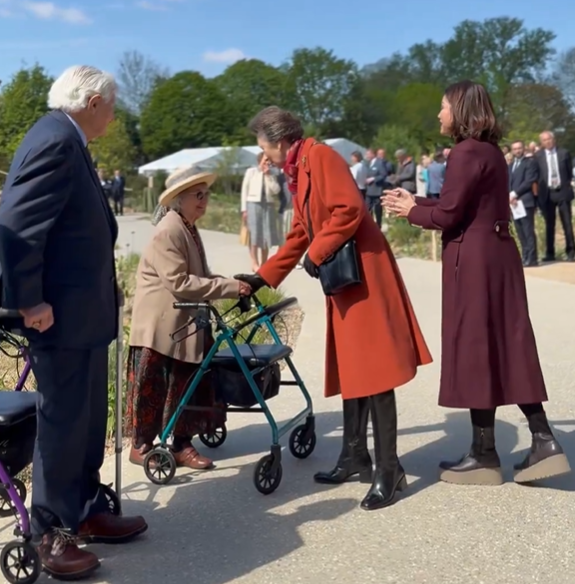
The Princess Royal has officially inaugurated a significant new memorial to her late mother, Queen Elizabeth II, a poignant ceremony held on the very day that marks the 100th anniversary of the beloved monarch’s birth. Princess Anne, a steadfast and active member of the Royal Family, was present in the heart of London’s Regent’s Park to unveil the Queen Elizabeth II memorial garden, a serene and thoughtfully designed space intended to offer a tranquil sanctuary within the bustling city. The occasion was not merely about the unveiling of a plaque; it was a moment to connect with the visionaries and caretakers of this tribute, as the Princess Royal engaged with the horticulturalists and designers who have brought this green space to life.
The establishment of this memorial garden on April 21st, 2026, underscores the profound and enduring impact of Queen Elizabeth II’s reign, the longest in British history. The garden itself is a testament to her deep connection with nature and her appreciation for the restorative power of green spaces, mirroring her lifelong patronage of numerous horticultural and environmental charities. The design features, including evocative flowered arches and tranquil water elements, are intended to create an atmosphere of peace and reflection, inviting visitors to contemplate the Queen’s remarkable legacy.
This significant event was a cornerstone of a broader day of national commemoration and celebration, honouring the centenary of Queen Elizabeth II’s birth. Across the capital, other members of the Royal Family participated in events that highlighted the Queen’s indelible mark on the nation and the world.
National Memorial Plans Unveiled at the British Museum
In a parallel and equally significant development, King Charles III and Queen Camilla visited the British Museum. Their presence there was to review the final conceptual plans for a grander national memorial dedicated to Queen Elizabeth II. These designs, representing a collective vision for a lasting tribute, promise to be a powerful symbol of national gratitude. Among the innovative and deeply symbolic elements being considered are a striking glass-cast bridge, meticulously designed to echo the elegant silhouette of the tiara Queen Elizabeth II wore on her wedding day, and imposing statues intended to capture the likeness of both the late Queen and her devoted husband, Prince Philip. The selection and development of these national monuments are a complex and deeply felt process, aiming to encapsulate the spirit and achievements of a monarch who guided Britain through decades of profound change.
A Day of Reflection and Royal Engagement
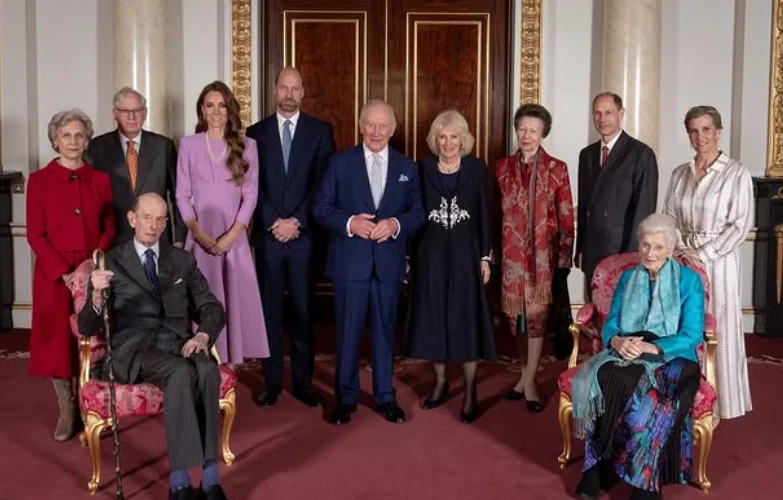
The events of April 21st, 2026, were carefully orchestrated to encompass various facets of Queen Elizabeth II’s life and influence. Following the opening of the Regent’s Park garden and the review of national memorial plans, the Royal Family reconvened for a special reception at Buckingham Palace. This esteemed gathering served as a focal point for national recognition and a celebration of longevity and service.
King Charles and Queen Camilla played host to a distinguished group of attendees, including individuals who share a remarkable milestone: reaching their 100th birthday on the very same day as the Queen’s centenary. The presentation of congratulatory cards to these centenarians was a deeply personal and moving gesture, acknowledging their own long lives of experience and contribution, mirroring in a unique way the extraordinary lifespan of the late monarch. The reception also provided an opportunity for the King and Queen to meet with representatives from a multitude of charities that had benefited from Queen Elizabeth II’s unwavering support and patronage throughout her reign. This highlights her extensive charitable work, a less visible but equally vital aspect of her public service.
The Prince and Princess of Wales’s Homage
The Prince and Princess of Wales, William and Catherine, were also in attendance at the Buckingham Palace reception, adding another layer of familial presence and public support for the commemorative events. The Princess of Wales, Catherine, made a notable sartorial choice that resonated with the occasion. She wore a pale pink dress, a colour often associated with Queen Elizabeth II and one that evoked a sense of warmth and affection. Furthermore, her choice of jewellery was particularly poignant: a classic three-strand pearl necklace, a cherished item that belonged to the late Queen, and a pair of exquisite pearl earrings. These earrings, it was noted, were crafted from jewels gifted to Catherine on her wedding day in 1947, a subtle yet powerful link to the Queen’s own early life and a symbol of enduring legacy and familial connection.
A Surprise Appearance and Enduring Service
Adding a touch of unexpected grace to the day’s proceedings was the surprise appearance of Princess Alexandra, The Honourable Lady Ogilvy. A cousin of Queen Elizabeth II, Princess Alexandra had recently retired from her public engagements at the age of 88, making her presence at this significant centenary event all the more meaningful. Her attendance underscored the deep familial bonds and the shared sense of remembrance within the extended Royal Family. In contrast, her elder brother, the Duke of Kent, aged 90, continues to undertake his royal duties, and he too was present at the reception, a testament to his own enduring commitment to public service.
Context and Significance of the Centenary
Queen Elizabeth II, born on April 21st, 1926, ascended to the throne in 1952 and reigned for over 70 years, becoming a figure of immense stability and continuity for the United Kingdom and the Commonwealth. Her reign spanned periods of unprecedented social, technological, and political change, and she navigated these transformations with a characteristic blend of duty, discretion, and unwavering resolve. The centenary of her birth is therefore not just a date on the calendar, but a significant moment for national reflection on her unparalleled service and the values she embodied.
The choice of Regent’s Park for the memorial garden holds particular resonance. As one of London’s eight Royal Parks, it has long been a place of public enjoyment and natural beauty, a space that Queen Elizabeth II, like many of her predecessors, would have appreciated. The garden’s creation is a collaborative effort, involving various stakeholders including The Royal Parks charity and potentially private donors, reflecting a broad public desire to honour the late monarch. The funding and development of such public memorials often involve a complex interplay of governmental support, charitable fundraising, and the contributions of dedicated community groups. Details regarding the specific funding mechanisms for the Regent’s Park garden, while not explicitly stated in the initial report, are typically made public for large-scale civic projects.
The Broader Impact of Royal Commemorations
The extensive commemorations for Queen Elizabeth II’s centenary serve multiple purposes. They provide an opportunity for national unity and collective remembrance, allowing citizens to reflect on a shared history and the figure who was a constant presence throughout much of their lives. For the Royal Family, these events are crucial in demonstrating their continued relevance and their commitment to public duty, while also honouring their lineage and the traditions they uphold.
The development of significant memorials, such as the one being planned for national unveiling, also has long-term implications. These monuments become focal points for future generations, offering tangible connections to the past and serving as educational resources about the history and cultural significance of Queen Elizabeth II’s reign. The architectural and artistic choices made in their design can reflect contemporary values and artistic trends, while simultaneously seeking to capture the enduring essence of the individual being commemorated. The inclusion of elements like the tiara-inspired bridge speaks to a desire to incorporate personal and symbolic references, moving beyond generic representations to create something deeply evocative of the Queen herself.
A Legacy of Service and Dedication
Queen Elizabeth II’s impact extended far beyond her constitutional duties. Her patronage of over 600 charities and organisations touched countless lives, from the arts and heritage sectors to healthcare and youth development. The reception at Buckingham Palace, where King Charles and Queen Camilla met with representatives of these good causes, highlights the ongoing commitment of the Royal Family to supporting these vital areas of national life. This continuity of support is a key element of the monarchy’s role in fostering a sense of civic engagement and philanthropic spirit within the nation.
The centenary celebrations, therefore, are not just about looking back; they are also about the continuation of a legacy. As King Charles III now leads the nation, these events serve as a powerful affirmation of his commitment to the principles of service and duty that defined his mother’s remarkable reign. The Princess Royal’s active role in opening the memorial garden exemplifies this continued dedication, demonstrating that the work of honouring her mother’s memory and continuing her spirit of public service is a deeply ingrained and ongoing commitment for the entire Royal Family. The careful curation of these events, from the serene garden in Regent’s Park to the grand reception at Buckingham Palace, underscores the profound respect and enduring affection held for Queen Elizabeth II, ensuring her legacy will continue to inspire for generations to come.