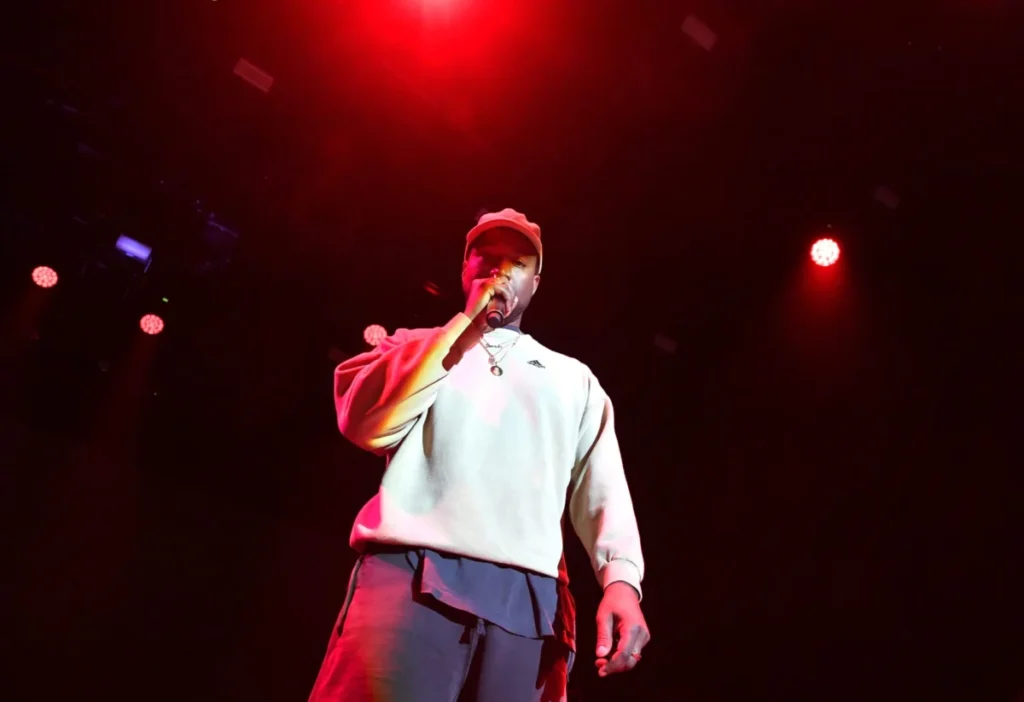

Despite a wave of concert cancellations and postponements across Europe, Ye, formerly known as Kanye West, is currently slated to proceed with his scheduled performances at Gelredome Stadium in Arnhem, Netherlands, on June 6 and June 8. This decision comes as public and parliamentary pressure mounts for authorities to ban the artist due to his history of antisemitic rhetoric, but local officials maintain that a legal basis for such a ban is currently absent.
The situation in the Netherlands stands in stark contrast to recent events in other European nations. In London, Ye’s participation in the Wireless Festival was officially canceled by U.K. authorities, a decision reportedly stemming from concerns over his past controversial statements. Similarly, a planned concert in Poland was called off, with the Silesian Stadium in Chorzów confirming the cancellation. France also saw a concert postponement, with Ye himself taking the initiative to reschedule a performance in Marseille following backlash from French authorities.
Official Stance: No Legal Grounds for a Ban
Arnhem Mayor Ahmed Marcouch has publicly stated that he does not perceive a legal foundation to prevent Ye from entering the Netherlands and performing. He emphasized that while Members of Parliament possess the power to enact legislation, their current recourse is to express their concerns through public discourse rather than through executive action, unless new laws are introduced.
"Members of Parliament have the power to make laws, so instead of constantly posting all kinds of messages on X, they can also limit behavior they deem undesirable by law," Marcouch told Dutch outlet NRC. He reiterated his personal condemnation of West’s past antisemitic remarks, describing them as "disgusting."
The process for approving Ye’s performance permits in the Netherlands is ongoing. Mayor Marcouch clarified that the municipality’s role is to review permit applications based on established criteria, primarily focusing on safety and public order. "Within the framework of the law, the mayor should not pass judgment on the content of a cultural activity. That concerns freedom of expression," he explained. "What I can look at are the permit applications for the two concerts. They are currently being processed as we speak. This concerns, among other things, safety and public order. If the organization meets the requirements of the permit, then we simply have to grant that permit."
This position aligns with statements made earlier in April by Minister Van den Brink, who indicated that there was no existing legal basis to prohibit Ye from entering the Netherlands based on his prior statements. "Based on what is currently known to me, I have no indication that an entry ban may apply to this," he stated, as reported by RTL News.
The Legal Framework and Freedom of Expression
The Dutch legal system, like many Western democracies, places a strong emphasis on freedom of expression. While hate speech and incitement to violence are criminal offenses, prohibiting an individual from entering a country based on past statements, without a clear and present danger or specific legal precedent, presents a significant challenge. Mayor Marcouch’s stance underscores this legal reality, highlighting the distinction between punishable actions and the prohibition of entry based on past behavior.

"Making racist and antisemitic statements is already a punishable offense. But he has to make them first. Now it concerns someone who did something in the past and, for that reason, would not be allowed to come to the Netherlands," Marcouch elaborated. "Regarding that, the Minister rightly said, ‘There is no legal basis for that.’" He further stressed the importance of a robust legal framework, stating, "If the Minister comes to that conclusion after all the indignation and calls from the House, then you shouldn’t start shouting again that someone is not allowed to come. Then you have to create a legal basis so that the Minister can do those kinds of things."
The mayor also expressed satisfaction with the constitutional protection afforded to citizens, ensuring that individuals are not subject to the arbitrary decisions of authorities. "I am also pleased that in our constitutional state, as a citizen, you are not dependent on the arbitrariness of a mayor or any other authority. That the law prevails," he concluded.
A Timeline of Controversy and Cancellations
Ye’s recent international tour plans have been fraught with difficulties, largely stemming from his persistent controversial statements.
- Late 2023 – Early 2024: Following a series of widely publicized antisemitic remarks in late 2022, Ye faced significant backlash, leading to the termination of major brand partnerships and widespread condemnation.
- March 2024: Ye released his album Bully, which debuted at number two on the Billboard 200 chart, indicating continued commercial viability despite public controversy.
- January 2024: Ye issued an apology in The Wall Street Journal addressing the Jewish and Black communities, a move seen by some as an attempt to mend his public image. He also met with a rabbi in November 2023.
- April 2024: Ye returned to the stage in the U.S. with two shows at SoFi Stadium in Los Angeles on April 1 and April 3.
- April 2024: Reports emerged of concert cancellations and postponements in Europe. The U.K. government denied Ye a travel visa, directly impacting his scheduled performance at Wireless Festival.
- April 2024: French authorities expressed concerns, leading Ye to voluntarily postpone a concert planned for Marseille.
- April 2024: A representative for Silesian Stadium in Chorzów, Poland, confirmed that Ye’s June 19 concert would not proceed.
- Mid-April 2024: Mayor Marcouch of Arnhem publicly stated that there was no legal basis to ban Ye from performing in the Netherlands, despite mounting pressure.
- June 2024: Ye’s concerts at Gelredome Stadium in Arnhem are currently scheduled to proceed on June 6 and June 8.
Broader Implications and the Future of Performance
The situation surrounding Ye’s performances highlights a growing tension between freedom of expression, public accountability, and the responsibilities of artists. While artistic freedom is a cornerstone of many societies, the impact of hate speech and its potential to incite harm remains a significant concern.
The legal distinctions between punishable actions and preventative bans are crucial in democratic societies. The Dutch approach, emphasizing the rule of law and the necessity of a clear legal basis for restrictions, underscores the challenges faced by authorities attempting to balance these competing interests.
Ye’s ongoing controversies, including past actions such as selling merchandise featuring a swastika and releasing a song titled "Heil Hitler," continue to cast a long shadow over his career. Despite these issues, his continued ability to schedule and, in some cases, proceed with performances indicates a complex interplay of artistic appeal, commercial interest, and the legal frameworks governing international travel and public events.
Looking ahead, Ye’s schedule, as listed on the Yeezy website, still includes performances in New Delhi, Istanbul, Italy, Madrid, and Portugal later this year. The progression of these events will likely be closely monitored, with authorities in each location facing similar considerations regarding freedom of expression versus the imperative to prevent the amplification of hate speech. The legal and societal discourse surrounding artists and their past statements is likely to remain a prominent issue in the international cultural landscape.