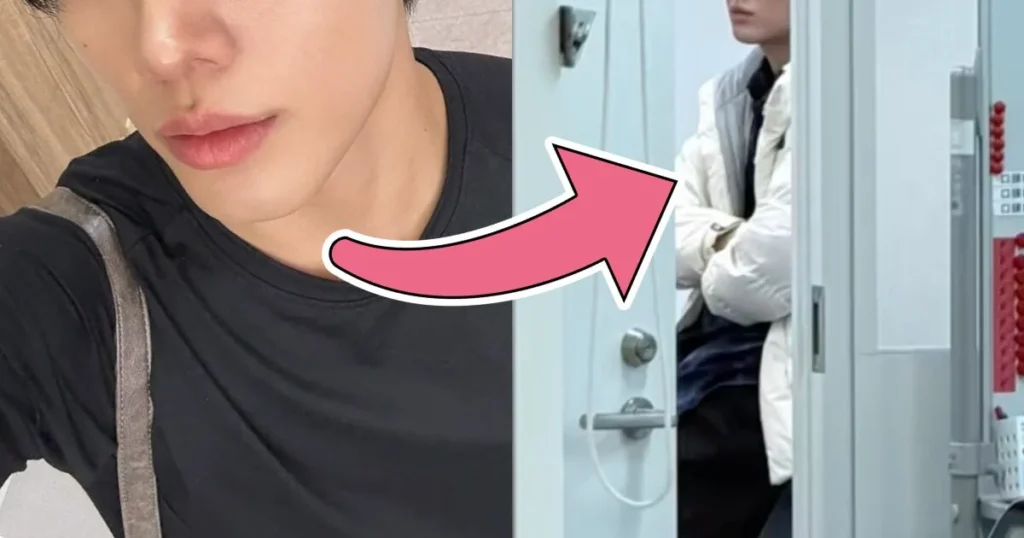

Prince, a prominent member of the fourth-generation K-pop group GHOST9, has once again found himself in a precarious legal and logistical situation while traveling abroad for professional schedules. The Thai-born idol, whose real name is Vatanee Sittichai, recently shared a series of unfortunate events that occurred during and after the group’s promotional activities in Japan. The narrative, which came to light through Prince’s social media updates, has sparked significant concern among fans and industry observers regarding the management practices of his agency, Maroo Entertainment. This incident marks the second time in recent history that Prince has faced severe travel-related complications due to what appears to be a lack of administrative oversight or direct support from his management team.
The Chronology of the Japan Incident
The sequence of events began when GHOST9 traveled to Japan to participate in scheduled group events. According to Prince, the complications started almost immediately upon arrival. While entering the country, he was reportedly detained by Japanese immigration authorities. Although the specific reasons for this initial detention were not fully disclosed, Prince noted that the situation was eventually resolved, allowing him to join the rest of the group for their planned activities.
However, the situation escalated significantly on the day the group was scheduled to return to South Korea. As the members and staff prepared for departure at the airport, Prince realized that he could not locate his passport. In the fast-paced environment of international group travel, where flight schedules are strictly adhered to, the decision was made for the rest of the group and the accompanying staff to proceed with their flight to Korea. Prince was left behind at the airport in Japan to resolve the issue of his missing travel documents alone.
Left without immediate professional assistance, Prince recounted that he had to rely on personal resources and internet searches to navigate the situation. He reportedly "Googled" the necessary steps to obtain an emergency travel document. After managing to secure an emergency passport through the appropriate diplomatic channels, he discovered that he could not immediately return to South Korea, likely due to visa restrictions associated with the emergency document or the need for updated entry permits.
Consequently, Prince informed Maroo Entertainment that he would instead fly to his home country, Thailand. Upon arrival in Thailand, the idol faced further complications, reporting that he was detained once again by authorities. After spending time navigating these hurdles and keeping himself occupied during the unexpected stay, he eventually managed to stabilize his situation, though the psychological and logistical toll of the experience was evident in his communication with fans.
A Recurring Pattern of Management Negligence
The recent events in Japan and Thailand are particularly striking because they follow a previous high-profile incident involving Prince’s immigration status. In 2023, Prince went viral within the K-pop community after it was revealed that he had been forced to return to Thailand for an extended period because Maroo Entertainment had allegedly failed to renew his South Korean work visa in a timely manner.
In that instance, the oversight resulted in Prince being unable to participate in group activities in Korea for several months. For a foreign national working in the South Korean entertainment industry, the E-6-1 (Culture and Entertainment) visa is a critical document that requires meticulous management by the sponsoring agency. The failure to extend this visa is generally viewed as a major administrative lapse, as it directly impacts the artist’s ability to fulfill their contractual obligations and maintain their residency.

The fact that Prince has again been left to manage complex international travel issues—specifically being left behind in a foreign country without a passport—has led to a wave of criticism against Maroo Entertainment. In the K-pop industry, it is standard protocol for managers to handle the passports and travel documents of all group members to prevent exactly this type of scenario.
The Role of Agency Management in International Travel
The management of K-pop idols, especially those belonging to "4th Generation" groups like GHOST9, is typically characterized by a high degree of oversight. Agencies are responsible for every aspect of an idol’s professional life, including housing, scheduling, transportation, and legal documentation. For foreign members, this responsibility is even more significant, as the agency serves as the legal guarantor for their stay in South Korea.
When a group travels internationally, the "road manager" or "protocol team" is tasked with ensuring that all members pass through customs and immigration smoothly. If a member loses a passport, the industry standard is for at least one staff member to remain behind to assist the artist, especially if there is a language barrier or if the artist is a foreign national navigating third-party country regulations.
The revelation that Prince had to self-diagnose his legal situation via a search engine and navigate the emergency passport process without on-site professional guidance is a departure from standard industry practices. This has raised questions about the internal resources available at Maroo Entertainment and the priority placed on the safety and security of their foreign artists.

Fandom Reaction and Public Sentiment
The reaction from "Ghosties"—the official GHOST9 fandom—and the broader K-pop community has been one of frustration and advocacy. Social media platforms have been flooded with messages demanding better treatment for Prince. Many fans pointed out the inherent vulnerability of a foreign idol being left in an international airport without a passport or a clear plan for return.
Comments from netizens highlighted the disparity between the polished image of K-pop and the logistical failures occurring behind the scenes. Some fans expressed disbelief that a professional agency would allow a member to be detained twice in one trip without intervening more effectively. The sentiment that Prince has "the worst luck" is frequently echoed, though many argue that "luck" has less to do with the situation than systemic management failure.
Implications for Foreign Idols in the K-Pop Industry
Prince’s situation underscores a broader conversation about the experiences of non-Korean idols in the industry. While K-pop has become a global phenomenon, the administrative infrastructure required to support a diverse, international workforce is sometimes lacking in small-to-mid-sized agencies.
Foreign idols often face unique challenges, including:

- Visa Complexity: Maintaining the E-6-1 visa requires constant communication between the agency and the Ministry of Justice.
- Language Barriers: Navigating legal issues in a third country (like Japan) or even in Korea can be daunting without a dedicated translator or legal representative.
- Isolation: When separated from the group and staff, foreign idols may lack the local support systems that Korean members might possess.
The repeated issues faced by Prince may serve as a cautionary tale for other agencies. As the industry continues to recruit talent from Thailand, China, Japan, and the West, the necessity for robust "global management" teams becomes undeniable. Ensuring the safety and legal standing of artists is not just a moral obligation but a business necessity, as travel mishaps can lead to missed performances, brand damage, and potential legal penalties for the agency.
About GHOST9 and Maroo Entertainment
GHOST9 debuted in September 2020 under Maroo Entertainment, an agency that previously gained significant attention for managing Park Ji-hoon (formerly of Wanna One). The group originally consisted of nine members, though it currently operates as a seven-member unit following the departures of Dong-jun and Tae-seung in 2021.
Since their debut with the mini-album Pre Episode 1: Door, GHOST9 has been known for their high-concept performances and "Cinematic Live" visuals. They gained further recognition through their participation in the JTBC survival show Peak Time, where they showcased their talent and resilience. Prince, as the group’s Thai member, has been a vital link to the group’s international audience, particularly in Southeast Asia.
Conclusion and Future Outlook
As of the latest updates, Prince appears to be safe, having managed to navigate the complexities of his return to Thailand. However, the incident leaves lingering questions about his immediate return to South Korea and his participation in upcoming GHOST9 schedules.

For Maroo Entertainment, the pressure to provide a formal explanation or a plan for improved artist management is mounting. In an industry where the relationship between fans and artists is built on transparency and care, the repeated abandonment of a member in foreign territory is a significant breach of trust. Moving forward, the industry will likely watch closely to see if the agency implements more rigorous travel protocols to ensure that no artist—regardless of their nationality—is left to "Google" their way out of an international legal crisis again.
The case of Prince serves as a stark reminder that behind the glamour of international tours and viral TikToks, the fundamental safety and administrative support of the artists must remain the top priority for any management entity. Factual oversight and professional protocol are the only safeguards against the "bad luck" that has repeatedly plagued Prince’s career.