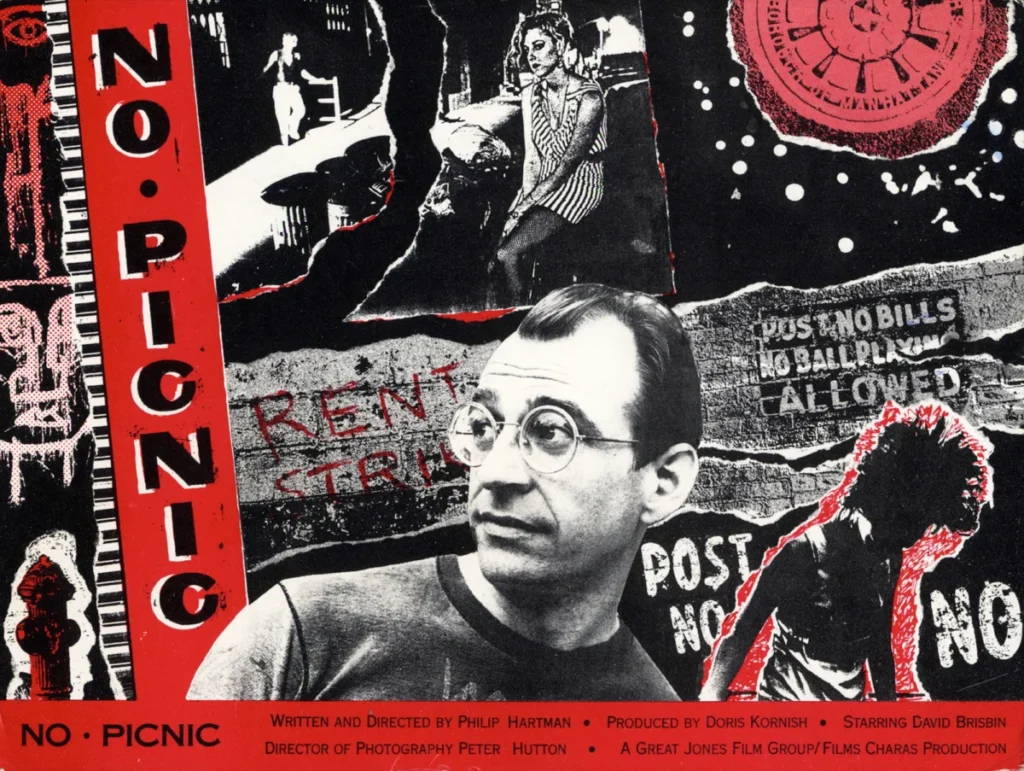

Film Forum is set to re-release the seminal 1987 independent film No Picnic in New York City theaters starting April 17, 2026. This highly anticipated theatrical run will feature a brand-new 4K restoration of the film, offering audiences a visually enhanced glimpse into a bygone era of New York City’s East Village. The announcement follows the release of a new trailer, providing a compelling preview of the film’s gritty aesthetic and evocative narrative.
A Gritty Portrait of a Vanishing New York
No Picnic, directed by Philip Hartman, is widely regarded as a potent and authentic portrayal of the East Village in the mid-1980s, a period before widespread gentrification dramatically altered the neighborhood’s character. The film centers on Macabee Cohen (David Brisbin), a down-on-his-luck jukebox operator whose once-promising music career has waned. Macabee navigates the city in a dilapidated Volkswagen bus, a seemingly aimless wanderer whose existence is intrinsically tied to the changing urban landscape.
The narrative unfolds against a backdrop of social and economic upheaval. The East Village of the film is a neighborhood in flux, grappling with aggressive real estate speculation, a burgeoning tenants’ rights movement exemplified by rent strikes, and the influx of artistic expression into its established spaces. Macabee’s internal monologue encapsulates the feeling of displacement and alienation: "in my own neighborhood, I felt like I was in the middle of a party that I hadn’t been invited to." This sentiment underscores the film’s exploration of identity and belonging in a rapidly transforming urban environment.

Beyond the neighborhood’s turmoil, Macabee’s personal life is also in disarray. The appearance of a mysterious young woman, characterized by her distinctive striped dress, ignites a personal quest that becomes intertwined with his own journey of self-discovery. His desire to find her is framed as a desperate search for meaning and redemption: "I was looking for someone to save," he confesses, "to save myself." This personal odyssey through the labyrinthine streets of the East Village forms the emotional core of the film.
A Stellar Cast and Authentic Downtown Vibe
The ensemble cast of No Picnic features David Brisbin in the lead role, supported by Myoshin, Anne D’Agnillo, and Luis Guzmán. The film is further distinguished by its notable cameos and appearances from prominent figures of the 1980s Downtown New York music and art scene. These include actor Steve Buscemi and musicians Richard Hell, as well as influential figures like Rafik and Bleecker Bob, lending an undeniable authenticity to the film’s depiction of the era’s underground culture.
The cinematography, handled by Peter Hutton, plays a crucial role in establishing the film’s distinct atmosphere. Despite being shot in black and white, the visuals are described as vibrant, capturing the unique energy and character of a New York that no longer exists. The stark contrasts and textured imagery contribute to the film’s status as a valuable time capsule.
Chronology of No Picnic
The journey of No Picnic from its initial conception to its current theatrical re-release is marked by several key milestones:

- Circa 1985: The events depicted in the film are set in the East Village of this period, capturing a specific cultural and socio-economic moment.
- 1987: No Picnic premieres at the Sundance Film Festival, then known as the U.S. Film Festival. The film garners critical acclaim, winning the award for Best Cinematography.
- July 1990: The film receives a limited theatrical release in the United States, introducing it to a wider audience.
- 2025-2026: Plans for a significant 4K restoration of the film are undertaken, aiming to preserve and enhance its visual quality for future generations.
- April 17, 2026: Film Forum schedules the re-release of No Picnic in New York City theaters, accompanied by a new trailer and promotional materials highlighting the 4K restoration.
Supporting Data and Context
The East Village of the 1980s was a complex and often contradictory neighborhood. It was a hub for counterculture, artistic innovation, and a vibrant music scene, but it also faced significant urban decay, high crime rates, and a lack of investment. Real estate prices were relatively low, attracting artists, musicians, and bohemians who found affordable living and studio spaces. However, this period also saw the beginnings of gentrification, with developers recognizing the potential for profit in the area. The film’s depiction of "rampant real estate speculation" and "tenants on rent strike" reflects the anxieties and struggles of residents caught in the transition.
The narrative of Macabee Cohen, a character deeply connected to the neighborhood’s identity, mirrors the experiences of many who felt their community was being eroded by external forces. His journey through dive bars, cheap tenements, and derelict streets is not merely a physical one but also an emotional exploration of loss, resilience, and the search for meaning in a shifting world.
Official Statements and Industry Reactions (Inferred)
While direct quotes from the filmmakers or distributors regarding this specific re-release are not provided in the initial announcement, the decision by Film Forum, a renowned institution dedicated to showcasing independent and classic cinema, to re-release No Picnic signifies its enduring cultural importance. Industry professionals and film critics often view such restorations as vital for preserving cinematic history and reintroducing significant works to contemporary audiences. The successful acquisition and execution of a 4K restoration typically involve extensive collaboration between rights holders, archival institutions, and specialized post-production facilities. The availability of a new trailer suggests a concerted effort to generate renewed interest and critical attention for the film.
Broader Impact and Implications
The re-release of No Picnic in a 4K restored version has several implications:

- Preservation of Cultural Heritage: The restoration ensures that a vital piece of New York City’s cultural history is preserved and made accessible with improved visual fidelity. This is particularly important for films that capture specific time periods and urban environments that have since undergone dramatic transformations.
- Rediscovery by New Audiences: The theatrical run provides an opportunity for younger generations and those unfamiliar with the film to experience it on the big screen, fostering a new appreciation for independent cinema of the 1980s.
- Artistic and Critical Re-evaluation: The re-release may prompt a re-evaluation of Philip Hartman’s directorial work and the film’s place within the landscape of American independent cinema. Its neo-noir elements, coupled with its socio-realistic portrayal of urban life, offer fertile ground for critical analysis.
- Nostalgia and Urban Studies: For those who lived through or have an affinity for the East Village of the 1980s, the film serves as a powerful nostalgic touchstone. Academically, it can be a valuable resource for studies in urban planning, sociology, and cultural history, offering a visual narrative of a neighborhood in transition.
Philip Hartman, a pioneering American indie filmmaker, began his career with No Picnic, which was his very first feature film. His subsequent directorial efforts, including Eerie (1997), further cemented his reputation within the independent film community. The cinematography by Peter Hutton, a respected filmmaker and cinematographer himself known for his observational documentaries, is a critical element contributing to the film’s enduring artistic merit. The award for Best Cinematography at Sundance in 1987 is a testament to Hutton’s significant contribution to the film’s aesthetic and narrative power.
The return of No Picnic to the silver screen is more than just a cinematic event; it is an invitation to step back in time and witness a raw, authentic, and profoundly human story unfold against the backdrop of a New York City that exists now only in memory and on film. The 4K restoration promises to make this indelible portrait even more vivid and impactful for contemporary viewers.