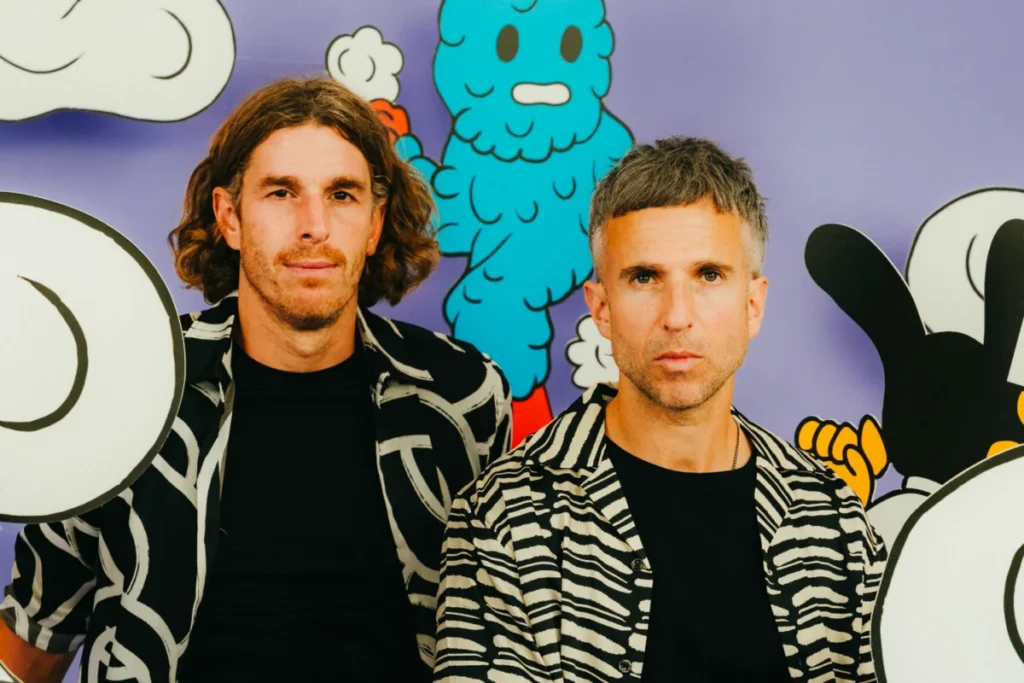

British indie-pop stalwarts The Hoosiers, approaching their two-decade milestone in the music industry, have issued a stark warning regarding the escalating pressures facing both artists and fans, citing exorbitant ticket prices and relentless touring schedules as critical challenges. As constants Irwin Sparkes and Alan Sharland prepare for the release of their sixth album, "Compassion," on May 15, they reflect on their journey and advocate for greater empathy and support within an industry they describe as fundamentally profit-driven. Their concerns resonate with a broader discourse on artist well-being and fan accessibility in an increasingly demanding entertainment landscape.
A Two-Decade Journey: Resilience and Reflection
Formed in the early 2000s, The Hoosiers burst onto the scene with their distinctive blend of pop, rock, and whimsical lyricism, achieving mainstream success with their 2007 debut album, The Trick to Life, which featured hit singles like "Worried About Ray" and "Goodbye Mr. A." Despite enjoying a prominent position during the "noughties wave" of British bands, their career has not been without its trials. After navigating line-up changes and a challenging period following delays to their third album and a subsequent split from their record label, Sparkes and Sharland demonstrated remarkable resilience, choosing to continue releasing music independently. This experience of navigating industry turbulence on their own terms has deeply informed their current perspective.
The upcoming album, "Compassion," serves as a thematic anchor for their current reflections. Sharland notes the palpable "anger and division" prevalent in contemporary online spaces, particularly on platforms like TikTok, suggesting a societal deficit of empathy. Sparkes elaborates on this, emphasizing the profound connection between internal dialogue and external interaction: "The way we talk to ourselves influences how we talk to each other, and that shapes the world we live in." This philosophy extends beyond their music into their active roles as ambassadors for mental health charities Music Support and SANE, alongside youth organisation Music for Youth, championing initiatives to enhance well-being across the industry and democratise access to musical education and opportunities.

The Relentless Grind: Mental Health in the Music Industry
The pressures of the music industry, particularly the incessant demand for touring, are a central concern for The Hoosiers. Irwin Sparkes asserts that these challenges are intrinsic to the industry’s profit-driven structure. "The industry still has a long way to go. It exists to make money – that will always come first," he explains. This commercial imperative often translates into a "relentless" pace, where artists are expected to tour constantly, frequently without adequate breaks or oversight. "There isn’t always anyone stepping in to say, ‘You need a break,’" Sparkes highlights, underscoring a systemic issue.
His observations are not isolated. He vividly recalls an encounter in a Japanese airport, where he witnessed fellow artists from their era – including members of The Ting Tings, The Wombats, and The Kooks – appearing "destroyed" by the touring grind. He cites a conversation with The Wombats, who reported having only two days off in three months, despite their significant success. This anecdote underscores how even established acts can be "ground through the machine." Contemporary examples, such as Lola Young’s public acknowledgement of collapsing on stage due to exhaustion, reinforce that this remains a pervasive issue.
The mental health crisis within the music industry is well-documented. A 2016 study by Help Musicians UK found that musicians were three times more likely to experience anxiety and depression than the general public. Subsequent reports have only amplified these concerns, particularly in the wake of the COVID-19 pandemic, which exacerbated financial precarity and isolation for many artists. Organizations like Music Support offer vital services, including a helpline, addiction and recovery support, and bespoke mental health training programs for industry professionals. Their mission is to provide a safe, confidential space for those struggling, highlighting the critical need for compassion and intervention.
The tragic death of Amy Winehouse in 2011 serves as a stark historical reminder of the human cost of these pressures. Sharland recalls receiving the news while performing on stage, a moment that "brings home how much is going on behind the scenes – that success doesn’t always manifest in happiness." Winehouse’s passing sparked a wider conversation about artist welfare, substance abuse, and the intense scrutiny faced by musicians, particularly those propelled to global fame. While some progress has been made in destigmatizing mental health discussions, The Hoosiers’ current statements indicate that structural challenges persist. Industry bodies, such as the BPI and AIM, have initiated programs to support artist welfare, but the implementation and impact across all tiers of the industry remain a complex and evolving challenge.

The Ticket Price Conundrum: Alienating Fans and Hurting Grassroots
Beyond artist welfare, The Hoosiers are vocally critical of the soaring cost of live music, arguing that ticket prices and merchandise have reached unsustainable levels for the average fan. "Gig tickets are too much. Merchandise is too much. Everything’s getting too much," Sparkes asserts, directly linking this issue to current economic hardships. He believes artists bear some responsibility for what they can control, even while acknowledging that pricing decisions are often influenced by multiple stakeholders, including promoters, venues, and ticketing agencies.
This critique is particularly aimed at top-tier artists. "When you’re selling out arenas and making huge amounts of money, do you need to be squeezing every extra pound out of fans?" Sparkes questions, highlighting an ethical dilemma for commercially successful acts. Data from various consumer watchdog groups and industry analysts consistently show a significant rise in concert ticket prices over the past decade, often outpacing inflation. Factors contributing to this include increased production costs, artist demands, dynamic pricing models, and the prevalence of secondary ticketing markets. For instance, the Competition and Markets Authority (CMA) in the UK has conducted investigations into ticketing practices, such as the probe into Ticketmaster referenced by The Hoosiers concerning Oasis reunion tour tickets, to address concerns about fairness and transparency.
Sharland points out a crucial knock-on effect: "People end up going to one big gig a year instead of lots of smaller ones." This shift in consumer behaviour has profound implications for the entire music ecosystem, particularly for emerging artists and the grassroots music scene. Smaller venues, which are vital incubators for new talent, rely on consistent attendance. If fans are forced to choose only high-profile, expensive shows, it starves the lower tiers of the industry, making it harder for new bands to build a following and sustain their careers. This creates a cycle where only established acts can afford to tour, further widening the gap between mega-stars and developing artists.
Fan advocacy groups, such as the FanFair Alliance in the UK, have long campaigned against exploitative ticketing practices, including excessive fees, opaque pricing, and the proliferation of touts on secondary markets. Their arguments align with The Hoosiers’ concerns, emphasizing that live music should remain accessible to a broad audience, not just an elite few. While major ticketing platforms often cite market demand and operational costs for pricing structures, The Hoosiers’ stance reflects a growing sentiment among artists and fans alike that the balance has shifted too far, threatening the long-term health and diversity of the live music sector.

Personal Growth and the Pursuit of Authentic Validation
The Hoosiers’ reflections extend to their personal journeys within the industry. When asked what advice they would offer their younger selves, their responses are candid and deeply personal. Sharland wishes he had relaxed more and enjoyed the experience, while paradoxically suggesting he should have worked harder – a common sentiment of hindsight in a demanding career.
Sparkes’ response, however, delves deeper into self-awareness: "I’d have therapy sooner. It would have made me happier and helped me navigate the band and my relationships. I wouldn’t have looked for external validation so much – that was definitely a bit of a honeytrap." This openness about seeking therapy underscores a critical shift in public discourse surrounding mental health, especially among male artists. The pursuit of external validation, particularly in an industry that often thrives on public adoration and critical acclaim, can be a perilous path, leading to burnout and identity crises when the spotlight inevitably shifts. His admission highlights the importance of internal resilience and self-worth over fleeting accolades.
Their advocacy for mental health charities is a direct extension of these personal insights. By sharing their own vulnerabilities and lessons learned, Sparkes and Sharland contribute to breaking down the stigma associated with mental health struggles in the creative industries. Their journey from mainstream success, through independent releases, to becoming vocal advocates reflects a profound evolution in their understanding of success – moving beyond commercial metrics to embrace personal well-being and social responsibility.
The Noughties Legacy and Enduring Positivity
The Hoosiers emerged during a vibrant period for British music, a time when bands like The Ting Tings, The Wombats, and The Kooks were also making their mark. This "noughties wave" was characterized by a diverse soundscape and a burgeoning independent scene that eventually intersected with mainstream success. For The Hoosiers, building their following in this different era means they have witnessed firsthand the significant shifts in music consumption, artist revenue streams, and fan engagement.

Their enduring presence, nearly two decades on, speaks to their resilience and adaptability. Despite the challenges, their passion for music remains undimmed. "We’re more passionate than ever about what we do," Sparkes states, emphasizing a renewed sense of purpose. This passion is intertwined with their commitment to fostering positivity. "You’ll never be everyone’s cup of tea, and I think we’ve never been more OK with that," he adds, embracing a sense of self-acceptance that comes with experience. "What we can do – what The Hoosiers can be – is a force for positivity. That’s what people have always told us, that the music makes them feel good."
Sharland echoes this sentiment, reflecting on the unique connection they share with their audience. "There are so many beautiful people from all walks of life who come out to see us – it’s just really heartwarming to see and feel," he says, describing their last tour as "one long hug of a show." This mutual appreciation between band and audience forms the bedrock of their continued journey, prioritizing genuine connection over fleeting fame or commercial pressures.
Their reflections on early splurges, such as Sharland’s unaffordable Alfa Romeo and Sparkes’ superfluous second guitar, offer a humorous yet poignant commentary on the temptations and missteps of early success. These anecdotes further illustrate their journey from youthful exuberance to a more grounded and compassionate understanding of their careers and values.
The Road Ahead: "Compassion" and Upcoming Performances
The release of "Compassion" on May 15 via Republic Of Music marks a significant new chapter for The Hoosiers. The album will be supported by a series of summer festival appearances, allowing them to connect with diverse audiences across the UK. Furthermore, they are set to embark on a headline UK tour this autumn, with notable dates including London’s Islington Assembly Hall on October 13, alongside performances in Brighton, Manchester, Glasgow, and Southampton.

A particularly anticipated event is their special guest slot with fellow noughties chart rivals Scouting for Girls at OVO Arena Wembley on February 13, 2027. This concert will not only be a reunion of two influential bands from the era but will also coincide with the 20th anniversary celebrations of The Hoosiers’ seminal debut album, The Trick To Life, adding a layer of nostalgic significance to their continued career. These upcoming performances underscore their enduring appeal and their commitment to bringing their message of positivity and compassion directly to their fans.
In an industry constantly evolving, The Hoosiers stand as a testament to artistic resilience and integrity. Their willingness to speak out on critical issues like mental health and ticket accessibility, coupled with their sustained musical output and genuine connection with their audience, positions them not just as performers, but as thoughtful commentators on the contemporary music landscape. Their journey, culminating in an album titled "Compassion," serves as a potent reminder of the human element at the heart of music.