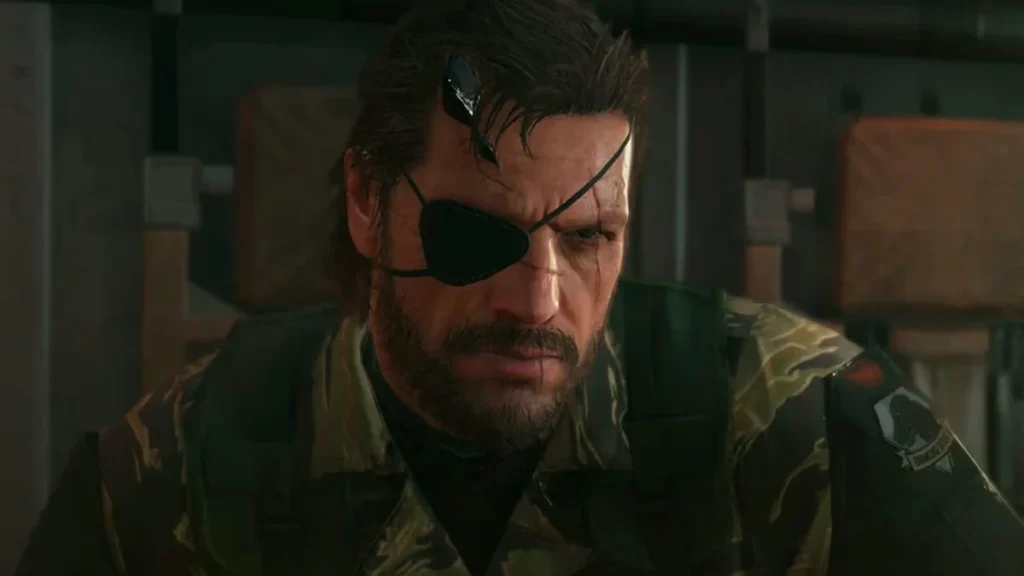

The long-gestating cinematic adaptation of Konami’s iconic Metal Gear Solid video game franchise is reportedly back on track, with Sony Pictures enlisting Zach Lipovsky and Adam B. Stein, known for their work on the upcoming Final Destination: Bloodlines, to helm the project. This development marks a significant turn in a production history plagued by delays and creative shifts, reigniting hopes among fans for a faithful big-screen rendition of Hideo Kojima’s seminal stealth-action series.
The New Directors: A Look at Lipovsky and Stein’s Background
Zach Lipovsky and Adam B. Stein are a directing duo who have garnered attention for their ability to blend genre elements with compelling narratives. Their filmography, while not extensive in blockbuster tentpoles, demonstrates a propensity for projects that require a unique visual style and a knack for suspense. Prior to their involvement with Final Destination: Bloodlines, they co-directed the 2018 science fiction thriller Freaks, which premiered at the Toronto International Film Festival. Freaks was praised for its inventive premise, strong performances, and effective use of limited resources to create a palpable sense of tension and mystery, qualities that could prove invaluable in translating the intricate world of Metal Gear Solid.
Their work on Dead Rising: Watchtower (2015), a live-action adaptation of another popular video game series, albeit a direct-to-digital release, offers some insight into their approach to adapting existing IP. While Dead Rising is a different beast from Metal Gear Solid, it showcases their experience in navigating the demands of a pre-established universe and fan expectations. The Final Destination franchise, known for its elaborate and often gruesome death sequences, requires a precise understanding of pacing, suspense, and visual storytelling to maximize impact. The "Bloodlines" installment, which they are directing, indicates their current engagement with high-stakes, suspense-driven narratives, a skill set that could be surprisingly apt for the espionage and psychological tension inherent in Metal Gear Solid. The challenge for Lipovsky and Stein will be to elevate these genre sensibilities to match the philosophical depth and complex narrative often associated with Kojima’s work, moving beyond mere spectacle to capture the essence of Solid Snake’s world.
A Decades-Long Development Saga: A Timeline of False Starts
The journey to bring Metal Gear Solid to the silver screen has been notoriously arduous, spanning well over a decade and becoming a quintessential example of "development hell" in Hollywood.
-
2006: The Initial Announcement: The concept of a Metal Gear Solid film was first publicly floated by creator Hideo Kojima himself. At the time, the Metal Gear Solid franchise was riding high, particularly after the critical and commercial success of Metal Gear Solid 3: Snake Eater. The announcement was met with immense excitement, but also immediate skepticism given the complexity of the games’ narratives and the historical difficulty of adapting video game IP successfully. Early discussions reportedly involved actors like Viggo Mortensen and Hugh Jackman being considered for the role of Solid Snake, reflecting the desire for a high-caliber star to embody the iconic protagonist.
-
2012-2015: Producer Involvement and Director Search: Avi Arad, a prolific producer known for his extensive work on Marvel Comics adaptations and other video game films (including Uncharted and Spider-Man: Into the Spider-Verse), officially became attached to the project alongside his son, Ari Arad. Their involvement signaled a serious push from Sony to move the film forward. Various writers and directors were reportedly considered during this period, but no concrete commitments materialized.
-
2015: Jordan Vogt-Roberts Takes the Helm: A significant milestone occurred when Jordan Vogt-Roberts, director of Kong: Skull Island, was announced as the film’s director. Vogt-Roberts quickly distinguished himself as a passionate and knowledgeable fan of the Metal Gear Solid series. He frequently engaged with the fanbase, shared his vision, and even commissioned extensive concept art to articulate his understanding of the game’s aesthetic and thematic depth. His commitment and genuine enthusiasm made him a popular choice among fans, who felt he understood the source material. Vogt-Roberts consistently expressed his dedication to making a faithful and groundbreaking adaptation, often emphasizing the need to capture the game’s unique blend of serious espionage, philosophical musings, and quirky humor. His departure from the project, while not explicitly detailed, is a common occurrence in Hollywood’s development cycle, often stemming from creative differences, scheduling conflicts, or budgetary considerations that fail to align over time.
-
2020: Oscar Isaac’s Casting: In a major casting announcement that generated widespread enthusiasm, Oscar Isaac was officially confirmed to portray Solid Snake. Isaac, known for his roles in Star Wars, Dune, and Ex Machina, possessed the gravitas, acting range, and physical presence many fans envisioned for Snake. His public statements at the time indicated his excitement and a deep appreciation for the source material. However, the current article states that it is "unclear whether he is still attached to the project" following the change in directors. This ambiguity creates a new layer of uncertainty for the production. If Isaac remains, his star power would be a significant asset. If he has departed, the search for a new Solid Snake would undoubtedly become a focal point of discussion and speculation, adding another challenge for the new directorial team.
-
Present (2026/Date of Article): Lipovsky and Stein’s Appointment: The announcement of Lipovsky and Stein replacing Vogt-Roberts signifies a new creative direction and a renewed effort by Sony to push the film into active production. This latest development suggests that the studio is committed to finally bringing Metal Gear Solid to the big screen, regardless of the past hurdles.
The Legacy of Metal Gear Solid: A Game-Changing Franchise
The Metal Gear Solid series, conceived and primarily directed by Hideo Kojima, is not merely a collection of video games; it is a cultural phenomenon that redefined the stealth genre and pushed the boundaries of interactive storytelling. Debuting with Metal Gear in 1987 and truly cementing its legacy with Metal Gear Solid in 1998 for the PlayStation, the franchise is celebrated for its:
- Innovative Gameplay: Pioneering stealth mechanics, requiring players to avoid combat rather than engage in it directly, using gadgets, camouflage, and environmental awareness.
- Complex Narrative: A sprawling, interconnected saga spanning decades, involving themes of nuclear deterrence, genetic engineering, artificial intelligence, philosophical discussions on war, identity, fate, and free will. The storylines are often labyrinthine, featuring double-crosses, deep political conspiracies, and a cast of memorable, often eccentric characters.
- Cinematic Presentation: Kojima’s games are renowned for their lengthy, film-like cutscenes, voice acting, and ambitious direction, often blurring the lines between game and movie long before it became common practice. This inherent cinematic quality is precisely what makes it so appealing, yet simultaneously challenging, to adapt.
- Philosophical Depth: Beyond the explosions and espionage, Metal Gear Solid consistently grapples with weighty philosophical and ethical questions, particularly concerning the nature of war, the impact of information control, and the legacy of soldiers.
Translating this intricate blend of action, philosophy, and unique humor into a two-hour film without alienating either hardcore fans or general audiences is the monumental task facing Lipovsky, Stein, and the Arad team. The challenge lies not just in adapting the plot, but in capturing the very essence and unique tone that defines the series.
Producing the Vision: Avi and Ari Arad’s Commitment
Producers Avi and Ari Arad have been central figures in the Metal Gear Solid film project for years. Avi Arad’s track record in adapting comic books and video games into successful film franchises is extensive and noteworthy. He played a pivotal role in establishing the Marvel Cinematic Universe in its early days, producing films like X-Men, Spider-Man, and Iron Man. His more recent work includes successful video game adaptations such as Uncharted and the critically acclaimed Spider-Man: Into the Spider-Verse and its sequel.
The Arads’ continued involvement underscores a persistent commitment to bringing Metal Gear Solid to the screen, suggesting that Sony sees significant commercial potential in the IP. Their experience in navigating complex studio dynamics, securing talent, and overseeing large-scale productions will be crucial. While they have a history of both hits and misses in the adaptation space, their continued push for Metal Gear Solid indicates a belief that, despite the challenges, a successful film is achievable. Their role will likely involve shaping the film’s narrative direction, managing the budget, and ensuring the project aligns with Sony’s broader strategic goals.
Fan Expectations and the Broader Landscape of Video Game Adaptations
The announcement of new directors comes at a time when the landscape of video game adaptations in Hollywood is experiencing a significant renaissance. After decades of mostly critical and commercial failures, recent years have seen a string of successful adaptations that have broken the "video game movie curse." Titles like The Last of Us (HBO series), Sonic the Hedgehog (film series), and The Super Mario Bros. Movie have demonstrated that with the right creative vision, respect for the source material, and a clear understanding of the target audience, video game properties can translate into compelling and profitable entertainment.
This shift places immense pressure on the Metal Gear Solid film. Fans have waited patiently, and often skeptically, for this project. Their expectations are sky-high, not just for an entertaining action film, but for an adaptation that honors the intellectual depth and narrative ambition of Kojima’s games. The new directors will need to carefully balance the need for accessibility for mainstream audiences with the intricate lore and specific characterizations that define Metal Gear Solid. The "unclear" status of Oscar Isaac’s involvement is a major point of concern for many, as his casting was widely celebrated as a perfect fit.
The success of Metal Gear Solid could pave the way for a larger cinematic universe, potentially exploring other characters and timelines within the rich lore of the games. Conversely, a misstep could further entrench the perception of the franchise as "unadaptable" for the big screen.
Parallel Developments: The Games Continue
Coinciding with the renewed momentum for the film, Konami continues to support the Metal Gear Solid game franchise with new releases. Fans can currently pre-order Metal Gear Solid: Master Collection Vol. 2, a compilation set to release on August 27th. This collection is particularly significant as it includes the first-ever official ports of Metal Gear Solid 4: Guns of the Patriots and Metal Gear Solid: Peace Walker to modern platforms.
- Metal Gear Solid 4: Guns of the Patriots, originally released for the PlayStation 3, served as a poignant conclusion to Solid Snake’s saga and was lauded for its cinematic presentation and complex narrative. Its inclusion in a modern collection makes it accessible to a new generation of players and allows veterans to revisit its epic scope.
- Metal Gear Solid: Peace Walker, initially a PlayStation Portable title, expanded the lore of Big Boss and introduced new gameplay mechanics that heavily influenced later entries like Metal Gear Solid V.
These new collections not only provide an opportunity for fans to re-engage with the source material but also serve as a strategic move by Konami to build renewed interest and hype for the franchise, which could directly benefit the film adaptation. The simultaneous push on both gaming and cinematic fronts suggests a coordinated effort to revitalize the entire Metal Gear Solid brand.
Conclusion
The appointment of Zach Lipovsky and Adam B. Stein to direct the Metal Gear Solid movie signifies a fresh start for a project that has long struggled to find its footing. While their background in genre films like Final Destination: Bloodlines and Freaks suggests a capacity for suspense and inventive storytelling, the monumental task ahead involves translating one of gaming’s most complex and beloved sagas to a broad cinematic audience. With Avi and Ari Arad continuing their long-standing commitment as producers, and the renewed interest fueled by game re-releases like Metal Gear Solid: Master Collection Vol. 2, all eyes will be on this production to see if it can finally break free from development limbo and deliver the Metal Gear Solid film fans have dreamed of for decades. The coming months will likely bring further clarity regarding casting, particularly Oscar Isaac’s involvement, and the creative direction this highly anticipated adaptation will take.