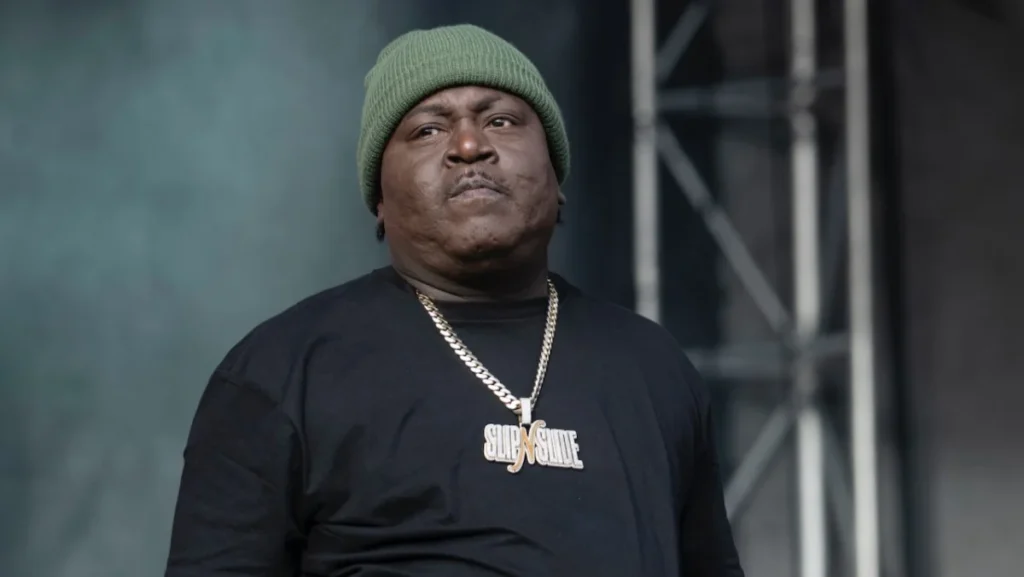

A performance by veteran Miami rapper Trick Daddy at an Alpha Kappa Alpha Sorority, Incorporated (AKA) leadership event was abruptly halted due to the explicit nature of his lyrics, igniting a conversation about artistic freedom, contractual obligations, and audience appropriateness. The incident, which occurred just days after the artist received a significant civic honor in his hometown, underscored the complexities performers face when adapting their established acts to diverse and often more conservative audiences.
The event, hosted by the South Atlantic Region of Alpha Kappa Alpha, a historically significant African American sorority known for its commitment to scholarship, sisterhood, and service, was intended as a professional gathering. However, the atmosphere shifted dramatically when Trick Daddy, whose career has long been characterized by his raw and unreserved lyrical content, began his set. According to attendee reports and circulating video footage, the rapper delivered verses that were deemed highly inappropriate for the esteemed sorority’s gathering. A particularly striking moment, captured by a fan, featured the artist rapping, "If you want your pussy ate, put your f***ing hands up," a line that sharply contrasted with the event’s professional and aspirational tone.
Immediate Cessation and Official Response
The performance was swiftly brought to an end by the event organizers. Following the incident, Tiffany Moore Russell, the South Atlantic Regional Director of Alpha Kappa Alpha Sorority, Inc., issued a comprehensive statement to her sorority sisters, clarifying the circumstances and reaffirming the organization’s values. Russell’s message detailed the extensive preparatory measures taken by her team to prevent such an occurrence. She stated that organizers had "met several times" with Trick Daddy and his representatives to outline specific "requirements, including attire, language, and specific songs" that he was expected to adhere to during his performance.
"The language, the lyrics, and the comments made by the artist were not acceptable," Russell asserted in her statement. She emphasized that the decision to terminate the performance was made due to "disrespect for our organization and our brand," signaling a firm stance against content that violated the sorority’s established standards and the agreed-upon terms. This decisive action by leadership was largely met with approval by members, many of whom expressed sentiments of pride and validation in their organization’s commitment to its principles.
Alpha Kappa Alpha Sorority, Inc.: A Legacy of Excellence
To fully grasp the gravity of the situation, it is crucial to understand the foundational principles and historical significance of Alpha Kappa Alpha Sorority, Inc. Founded in 1908 at Howard University, it holds the distinction of being the first intercollegiate historically African American sorority. For over a century, AKA has been a vanguard in the promotion of sisterhood, scholarship, and service, embodying ideals of intellectual pursuit, social justice, and community upliftment. Its members, often referred to as "AKA women," are leaders in various fields, from politics and education to business and the arts. Notable members include Vice President Kamala Harris, Maya Angelou, Toni Morrison, and Rosa Parks.
The sorority’s events, particularly leadership conferences, are typically characterized by decorum, intellectual discourse, and professional networking. These gatherings are designed to inspire, educate, and empower members, reinforcing the organization’s core values. The selection of entertainment for such events often reflects a careful balance of cultural relevance and adherence to the sorority’s dignified image. Therefore, the explicit content delivered by Trick Daddy represented a significant deviation from the expected and agreed-upon standards, leading to the immediate and unequivocal response from the leadership.
Trick Daddy’s Career and Recent Accolades
Trick Daddy, born Maurice Young, emerged from the vibrant South Florida hip-hop scene in the mid-1990s. He quickly rose to prominence with his distinctively gruff voice and unapologetically street-oriented lyrics, often exploring themes of urban life, sexuality, and resilience. His discography includes hits like "Nann Nigga," "Shut Up," and "I’m a Thug," which have cemented his status as a pioneer of Southern hip-hop and a significant cultural figure in Miami. While his music is celebrated for its authenticity and raw energy, its explicit nature is a known characteristic of his artistic brand.
The incident at the AKA event occurred just days after Trick Daddy experienced a significant moment of civic recognition in his hometown. In a grand ceremony held in Dade County, he was honored with his own street, "BORN N RAISED STREET," complete with his rap name proudly displayed underneath. This honor was part of a larger festival celebrating Miami legends, including fellow artists Trina, DJ Khaled, and Uncle Luke. The street naming represented a testament to his enduring cultural impact and his contributions to the city’s identity.
During the same festival, fellow Miami rap icon Trina, who also received a street honor, expressed profound gratitude. "I’m so grateful," Trina remarked, visibly moved. "I’m appreciative. That sign is even more important to me. It’s actually placed directly – the building that’s right in front of it was my mom’s store. So it’s the universe that put it right in front of my mom’s store. I just can’t believe that. I don’t know how that happened. That’s magic… My mom is definitely proud. I know she is." This emotional moment for Trina highlighted the deep personal and communal significance of such recognitions for artists who have long served as cultural ambassadors for their communities. The stark contrast between this celebratory public honor and the subsequent professional setback at the sorority event created a complex narrative for the artist.
The Clash of Artistic Expression and Contractual Obligations
The incident brings to the forefront the perennial tension between an artist’s established brand and the specific requirements of a performance venue or event. For artists like Trick Daddy, whose identity is intrinsically linked to explicit lyrical content, modifying their act for certain audiences can be a delicate balancing act. While many artists are willing to perform "clean" versions of their songs or tailor their sets to suit a particular demographic, the success of such adaptations often hinges on clear communication and mutual understanding between the artist’s team and the event organizers.
In this instance, the sorority’s leadership explicitly stated that multiple meetings were held to establish guidelines regarding language and specific song choices. This suggests a proactive effort on the part of the organizers to ensure alignment with their event’s ethos. When an artist allegedly deviates from these pre-negotiated terms, it transforms a potential misunderstanding into a breach of contractual expectations and, as stated by Director Russell, an act of disrespect towards the host organization.
This scenario is not unique in the entertainment industry. Numerous instances exist where performers have faced criticism or had their sets cut short for content deemed inappropriate for the context, whether it be a corporate event, a family-friendly festival, or a formal gathering. These situations often spark broader discussions about the responsibilities of artists, the role of censorship, and the nuances of artistic integrity versus commercial viability.
Implications for Event Planning and Artist Engagement
The Trick Daddy incident serves as a salient case study for event planners and artists alike. For organizations planning to book performers, particularly those with a known history of explicit content, the incident underscores the critical importance of rigorous due diligence and comprehensive contractual agreements. These agreements should meticulously detail expectations regarding lyrical content, stage demeanor, attire, and any other elements pertinent to maintaining the event’s desired atmosphere and brand integrity. Clear penalty clauses for non-compliance can also be a vital component of such contracts.
For artists and their management teams, the event highlights the necessity of understanding the audience and the specific context of each performance. While maintaining artistic authenticity is crucial, so too is professionalism and adherence to agreed-upon terms. A reputation for reliability and adaptability can be as valuable as an artist’s creative output, especially when navigating diverse booking opportunities.
Broader Cultural Conversation and Public Discourse
The incident quickly garnered attention on social media and across various news platforms, fueling a broader cultural conversation. Many commentators weighed in on the appropriateness of booking an artist known for explicit lyrics at a sorority leadership event in the first place, while others defended the sorority’s swift action in upholding its standards. The debate often touched upon themes of:
- Artistic Freedom vs. Responsibility: Where is the line between an artist’s right to express themselves and their responsibility to respect the context and audience of a performance?
- Cultural Context: How do different communities and organizations define "appropriate" entertainment, and how should artists navigate these diverse expectations?
- Brand Protection: The incident highlighted the proactive measures organizations take to protect their brand image and values in the public sphere.
The swift and public response from the Alpha Kappa Alpha leadership was widely seen as a strong affirmation of their organizational values. It demonstrated a willingness to prioritize the integrity and reputation of the sorority over the potential awkwardness of interrupting a live performance. This stance likely reinforced the confidence of members in their leadership and potentially enhanced the sorority’s public image as an organization that stands firm on its principles.
Looking Forward
As the dust settles, the Trick Daddy incident will likely be remembered as a significant moment in the ongoing dialogue about music, performance, and context. For Alpha Kappa Alpha Sorority, Inc., it may serve as a cautionary tale that reinforces their robust vetting processes for future engagements, solidifying their commitment to maintaining a dignified and respectful environment for their members. For Trick Daddy, an artist who has long navigated the complexities of public perception, this event adds another layer to his career narrative, prompting reflection on the delicate balance between artistic expression and the expectations of specific audiences. While the incident may fade from immediate headlines, its implications for event organizers and performing artists will undoubtedly resonate within the industry for some time, underscoring the enduring importance of clear communication, mutual respect, and adherence to agreed-upon standards in the world of live entertainment.