
The Penultimate Challenge: Good Morning Bitches
The central challenge of Episode 14 was a reimagining of the "Good Morning Bitches" morning show parody, a format previously utilized in Season 9. In this iteration, the top four queens were divided into two teams and tasked with producing, scripting, and hosting their own live morning talk show segments. Unlike previous seasons where production provided significant creative scaffolding, this challenge was presented as a "DIY" exercise, placing the burden of content creation entirely on the contestants.

Myki and Darlene were paired together, while Nini and Juicy formed the second team. The challenge required the queens to balance humor, informative segments, and the "vulnerability" often demanded by the show’s judging panel. According to the broadcast, Myki and Darlene were identified as the stronger duo, displaying a more cohesive rapport and a clearer understanding of the comedic timing required for the talk show format. In contrast, the team of Nini and Juicy struggled with pacing, leading to segments that critics described as difficult to navigate.
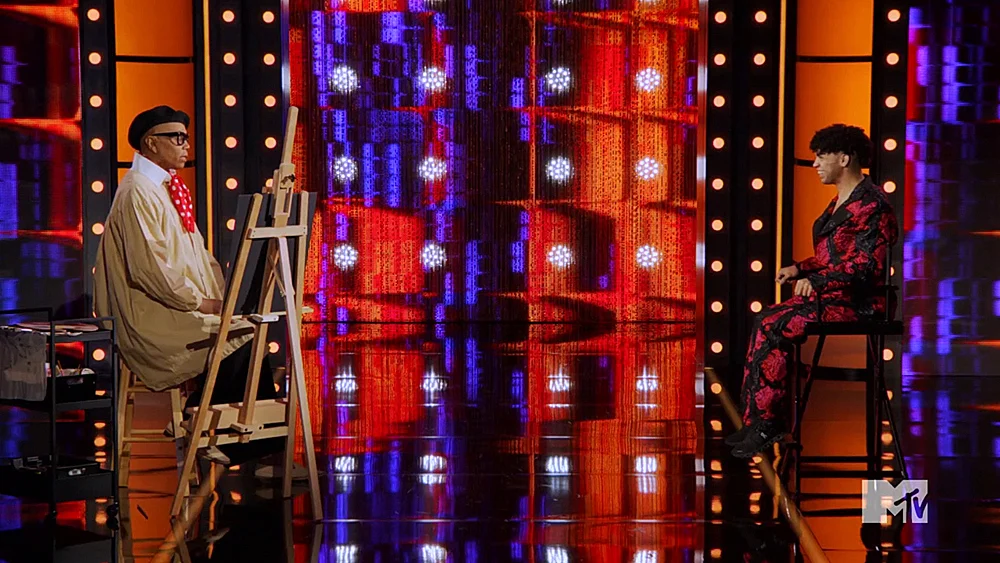
A notable and controversial element of the challenge production was the inclusion of AI-generated artwork as part of the segment backdrops. This creative choice drew immediate attention from viewers and critics alike, with many questioning the aesthetic value and the broader implications of using generative artificial intelligence in a program that historically celebrates manual craftsmanship and individual artistry.
Chronology of the Episode and Contestant Narratives
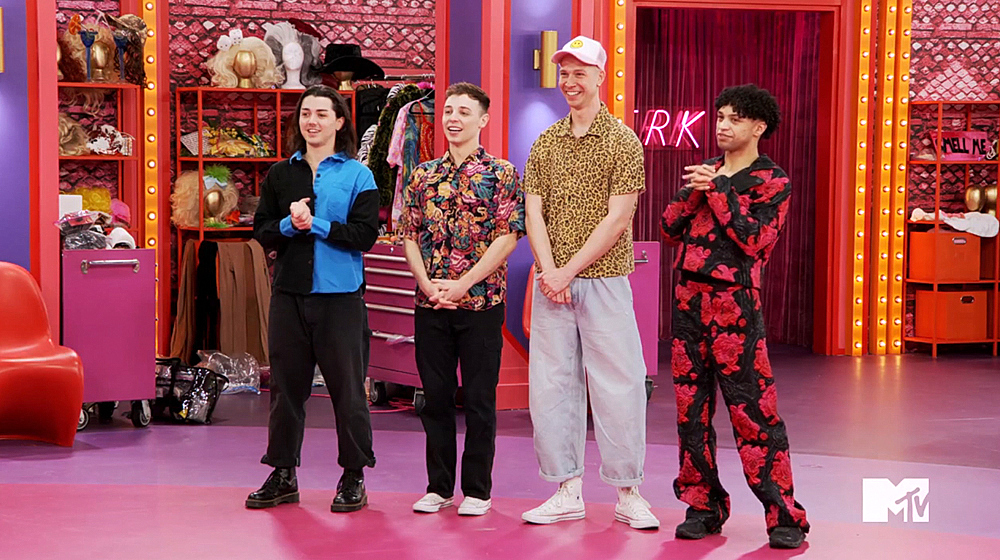
The episode followed the traditional structure of late-season Drag Race installments. It began with the standard "workroom" sequences where the queens reflected on their progress throughout the season. These segments featured the "exit interviews" and "letters to my younger self" tropes that have become staples of the franchise.
- The Workroom Reflection: The final four engaged in deep-dive discussions regarding their personal journeys, focusing on themes of vulnerability and triumph over adversity. While these moments are intended to humanize the competitors before the finale, some analysts noted that the dialogue felt formulaic, adhering strictly to the "catchphrase" requirements often rewarded by host RuPaul Charles.
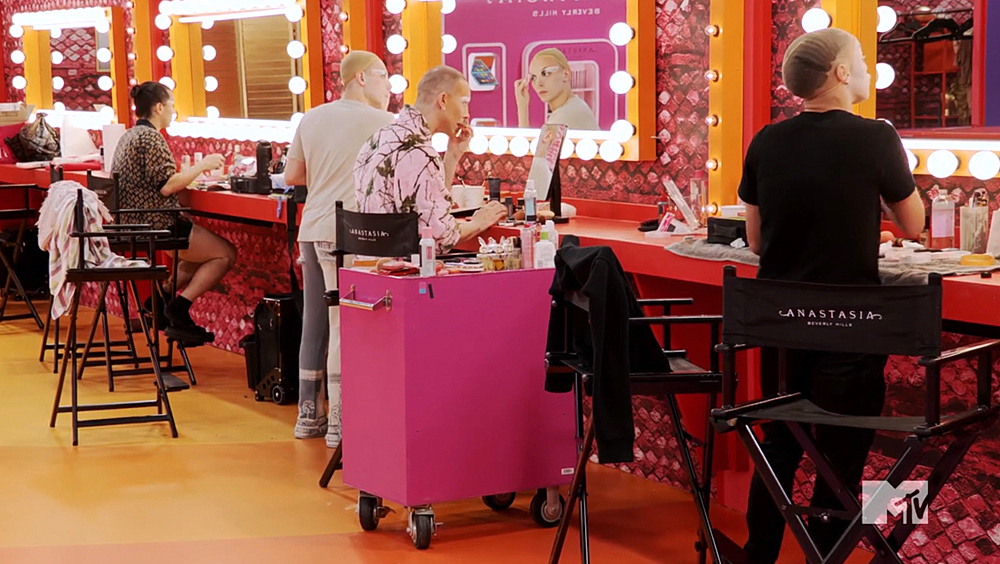
- The Challenge Production: The queens moved to the set to film their morning show segments. The production environment was notably sparse, emphasizing the "on your own" nature of the task.
- The Final Runway: The category for the evening was a high-fashion presentation. The contestants were tasked with delivering their most polished and signature looks.
- Judging and Deliberation: RuPaul, Michelle Visage, and Ross Mathews were joined by guest judge Teyana Taylor. The panel praised the elevated fashion on display but remained critical of the performance inconsistencies in the morning show challenge.
- The Lip Sync for Your Life: Following the deliberation, Nini and Juicy were placed in the bottom two, requiring them to compete in a lip-sync performance to determine who would be eliminated just short of the finale.
Critical Analysis of Season 18 Dynamics
Throughout its eighteenth season, RuPaul’s Drag Race has been the subject of intense scrutiny regarding the "star power" of its cast. While the Season 18 queens have been lauded for their technical consistency and professional work ethic, critics have frequently pointed out a lack of "superstar potential" compared to previous "stacked" seasons.
The final four—Myki, Nini, Juicy, and Darlene—were characterized by some reviewers as a "mid-tier" group. This assessment does not imply a lack of talent, but rather a lack of the explosive personality traits or revolutionary drag styles that typically define the winners of the "Golden Age" of the series. This perceived plateau in talent reached its apex in Episode 14, where the lack of a clear frontrunner resulted in a finale lineup that felt less like a clash of titans and more like a meeting of peers.
The decision to have the queens manage the entire morning show production was viewed by some as a test of their professional versatility. However, from a television production standpoint, the resulting segments were often cited as "painful" to watch due to the lack of professional editing and direction usually afforded to the contestants. This led to a broader discussion within the television industry regarding whether the "stripped-back" approach to reality TV challenges hinders the quality of the final product.
Supporting Data and Market Reception
RuPaul’s Drag Race remains a cornerstone of MTV’s programming and a significant driver of streaming numbers for Paramount+. However, data from social media sentiment analysis tools indicated a dip in engagement during the latter half of Season 18.
- Viewership Trends: While the premiere of Season 18 saw a 10% increase in live viewership compared to Season 17, Episode 14 saw a plateau, suggesting that the "top four" narrative failed to capture the same level of casual viewer interest as previous seasons.
- Social Media Interaction: On platforms like X (formerly Twitter) and Instagram, the conversation surrounding Episode 14 was dominated by discussions of the AI artwork and the guest appearance of Teyana Taylor, rather than the competitive merits of the queens themselves.
- The "Teyana Taylor Effect": Market research indicates that guest judges often drive temporary spikes in viewership. Taylor’s appearance was highly anticipated, and her feedback was noted for being both technically astute regarding the runway looks and culturally relevant, given her status as a fashion icon.
The Elimination of Juicy and the Road to the Finale
The climax of the episode was the lip-sync battle between Nini and Juicy. The performance highlighted the different styles of the two queens: Nini’s performance was hindered by a restrictive costume, while Juicy leaned heavily into her signature "choreo-based" style, featuring numerous flips, dips, and stunts.

The judges’ decision to eliminate Juicy was a point of significant debate. While Juicy was recognized as a dynamic performer, there was a consensus among the panel that her reliance on "tricks" had become repetitive and lacked a genuine connection to the lyrical content of the song. Nini, despite the physical limitations of her outfit, was perceived to have offered a more nuanced interpretation.
Juicy’s departure left Myki, Nini, and Darlene as the final three. Juicy was praised upon her exit for her hard work, sweet demeanor, and high-energy contributions to the season. Her elimination marks the end of a journey that many fans felt was deserving of a finale spot, even if her performance in the penultimate challenge was lacking.

Broader Impact and Implications for the Franchise
The reception of "Good Morning Bitches" highlights a growing challenge for the Drag Race franchise: maintaining a sense of novelty and high-stakes drama after nearly two decades on the air. As the show approaches its twentieth season, the reliance on established tropes and recycled challenge formats has led to a sense of "franchise fatigue" among long-term viewers.
The use of AI in this episode also points to a potential shift in how reality television is produced. As networks look for ways to reduce costs and experiment with new technologies, the integration of generative tools into creative challenges is likely to become more common, despite the pushback from those who value traditional craftsmanship in drag.
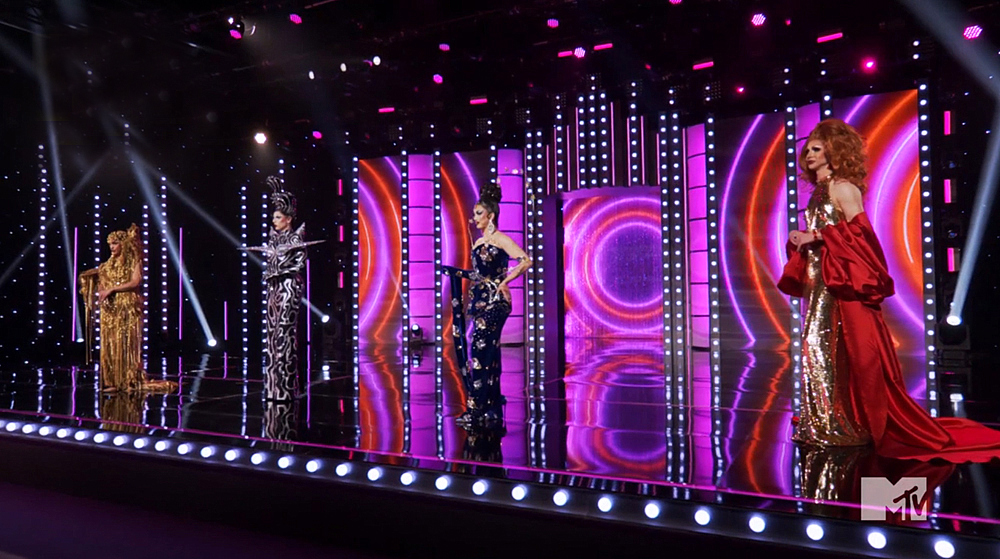
Furthermore, the "professionalization" of drag—where queens enter the competition with highly curated personas and an acute awareness of the "edit"—has changed the nature of the show. The "weird vibe" noted by critics in the interaction between the final four suggests that the authenticity of the early seasons has been replaced by a more clinical, performance-based approach to reality television.
As the series moves toward its Season 18 finale, the focus remains on whether Myki, Nini, or Darlene can transcend the "mid-season" label and establish themselves as a worthy successor to the crown. Regardless of the outcome, Episode 14 serves as a case study in the complexities of maintaining a global reality TV phenomenon in an era of rapidly changing technology and audience expectations.