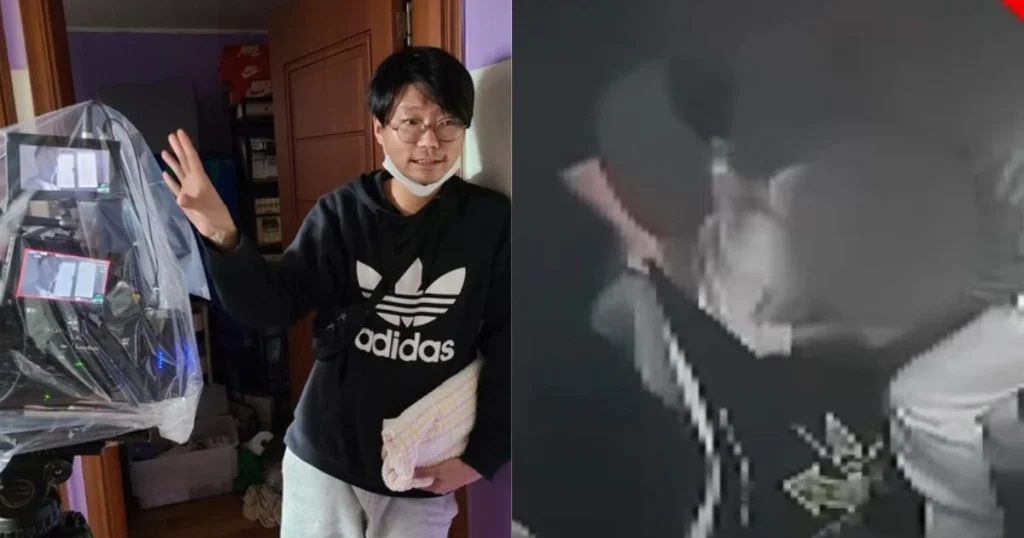

The Fatal Altercation in Guri: A Chronology of Events
The incident that led to Director Kim Chang Min’s death occurred at a restaurant in Guri, Gyeonggi Province. On the night of the assault, Kim was dining with his young son, who has been identified as having autism. According to eyewitness accounts and investigative reports, the atmosphere turned hostile when two men, identified in legal documents as "A" and "B," began complaining loudly about the noises being made by Kim’s son.
Witnesses state that Kim attempted to explain his son’s condition and requested understanding, but the suspects reportedly responded with verbal abuse. The situation escalated rapidly from a verbal dispute into a physical confrontation. Security footage and witness testimonies suggest that Kim was subjected to a sustained and violent assault by multiple individuals. During the melee, Kim suffered severe head trauma and other internal injuries.
Upon the arrival of emergency services, Kim was transported to a nearby medical facility. Despite the efforts of trauma surgeons, he was eventually declared brain dead. His passing shortly thereafter sent shockwaves through the South Korean film industry, where he was respected for his artistic vision and his dedication to his family.
Profiles of the Accused and Allegations of Gang Affiliation
The two primary suspects, "A" and "B," were apprehended shortly after the incident. During the initial investigation, police sources suggested that the men might be affiliated with an organized crime syndicate operating within the Guri area. This detail significantly heightened public concern, as "gangster-related" violence has become a sensitive social issue in South Korea, particularly involving younger members often referred to as "MZ Gangsters."
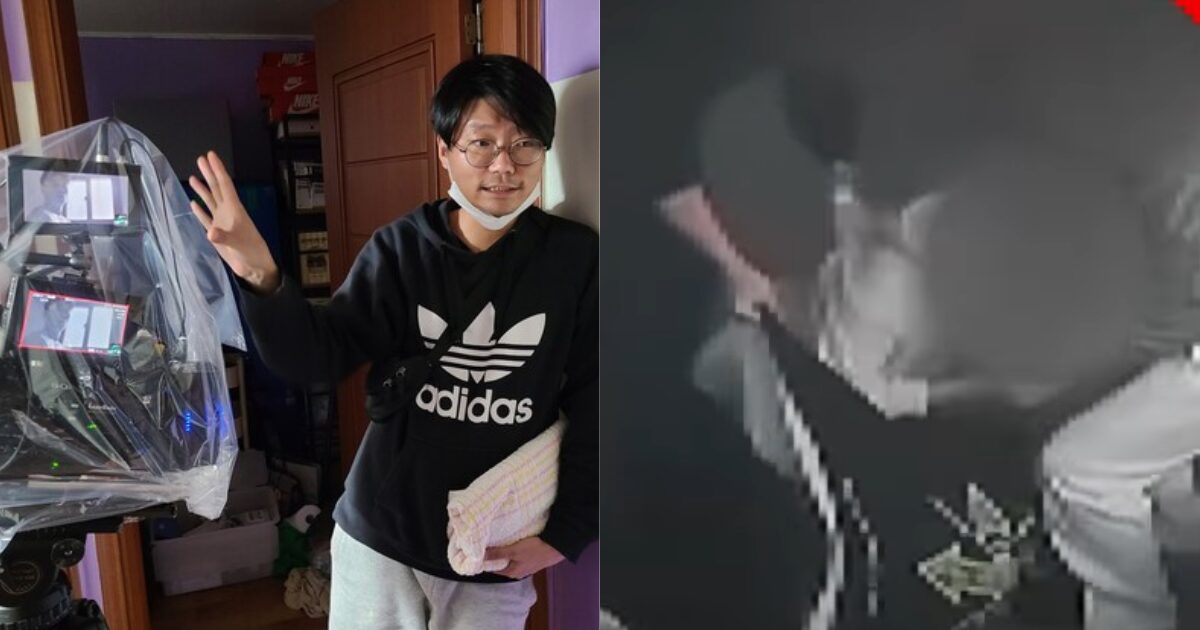
However, the specific syndicate named in the investigation issued a formal clarification, asserting that while the individuals may have been acquaintances of members, they were not official initiates of the organization. Despite this disclaimer, the aggressive nature of the assault and the suspects’ subsequent behavior have led many to believe they operate within a subculture that glorifies violence and criminal bravado.
The Controversy of the Hip-Hop Release
The most recent wave of public fury was ignited when it was discovered that suspect "A" had collaborated with an acquaintance to release a hip-hop song on various digital platforms. The timing of the release—occurring while the case was being referred to the prosecution—has been viewed as a calculated provocation.
The lyrics of the track include lines such as "The innocent in me is already gone" and "I’ve become a thug." In the context of the pending charges for causing death through injury, these words have been analyzed by legal experts and the public alike as a "musical confession" or a "boast" regarding his criminal status. For the bereaved family of Director Kim, the song represents a secondary trauma, suggesting that the man responsible for their loss views the event not as a tragedy to be repented for, but as a credential for his perceived "outlaw" persona.
Social media monitoring indicates that the song was briefly circulated among niche communities before being flagged by outraged netizens. The discovery of the track led to the "doxxing" of the suspects, with their names, photos, and social media handles being distributed across major South Korean web forums. While vigilante justice is discouraged by authorities, the leak reflects a profound lack of public confidence in the standard judicial process.
Legal Status and Judicial Decisions
Despite the severity of the assault and the resulting fatality, the legal handling of "A" and "B" has been a point of intense contention. Following the initial investigation, the police requested arrest warrants for both suspects, citing the gravity of the crime. However, the courts denied the requests for detention.

The presiding judge ruled that the suspects did not pose a significant flight risk and that there was no immediate danger of evidence destruction, as much of the physical evidence, including CCTV footage, had already been secured. Consequently, "A" and "B" have been referred to the prosecution without detention. This means they remain free to move within the community while the prosecution prepares its case for trial.
This "non-detention" status is what allowed suspect "A" the freedom to record and distribute music. Critics of the decision argue that the court failed to account for the psychological impact on the victim’s family and the potential for the suspects to influence witnesses or further inflame public order.
Public and Industry Reaction
The South Korean film community has expressed its collective grief and anger through various statements. Colleagues of Director Kim have described him as a gentle individual who was deeply committed to his son’s well-being. The fact that the assault was triggered by a lack of empathy for a child with a disability has added a layer of social commentary to the tragedy, sparking discussions about the treatment of neurodivergent individuals in public spaces.
Online petitions calling for the immediate detention of the suspects and the imposition of the maximum possible sentence have garnered tens of thousands of signatures. Public sentiment is currently focused on two main demands:
- Re-evaluation of Charges: Many are calling for the charges to be upgraded from "causing death through injury" to "murder," arguing that the sustained nature of the beating showed a "willful negligence" toward the sanctity of life.
- Legislative Reform: The case has reignited the debate over "MZ Gangster" culture and whether the law needs stricter provisions for crimes committed by individuals with suspected ties to organized crime, even if they are not "official" members.
Analytical Perspective: The "MZ Gangster" Phenomenon
The behavior of suspect "A"—specifically the release of a song boasting about his criminal transition—aligns with a disturbing trend observed by South Korean sociologists. Younger criminals are increasingly using social media, YouTube, and music streaming services to "brand" their criminal identities. Unlike traditional organized crime figures who sought to remain in the shadows, this new generation often seeks notoriety and "clout" through public displays of defiance.
This digital bravado serves two purposes: it acts as a recruitment tool for like-minded individuals and functions as a form of intimidation against victims and witnesses. In the case of Director Kim, the song serves as a public declaration that the suspect does not fear the legal consequences of his actions, thereby undermining the authority of the state and the peace of the community.
Broader Implications for South Korean Society
The death of Kim Chang Min is more than a localized criminal case; it is a flashpoint for several intersecting social issues in South Korea. It highlights the vulnerability of families with disabled members, the perceived leniency of the bail and warrant system, and the evolving nature of urban crime.
As the prosecution moves forward with the case, the eyes of the nation remain fixed on the Guri District Office and the courts. The outcome of this trial is expected to set a significant precedent for how the legal system handles "clout-chasing" criminals who use digital platforms to amplify the trauma of their victims.
For now, the legacy of Director Kim Chang Min remains overshadowed by the controversy of his attackers’ actions. His family continues to seek justice in a legal landscape that many feel is weighted in favor of the rights of the accused over the dignity of the deceased. The upcoming trial will serve as a critical test of whether the South Korean justice system can effectively respond to the challenges posed by modern criminal behavior and public demands for accountability.