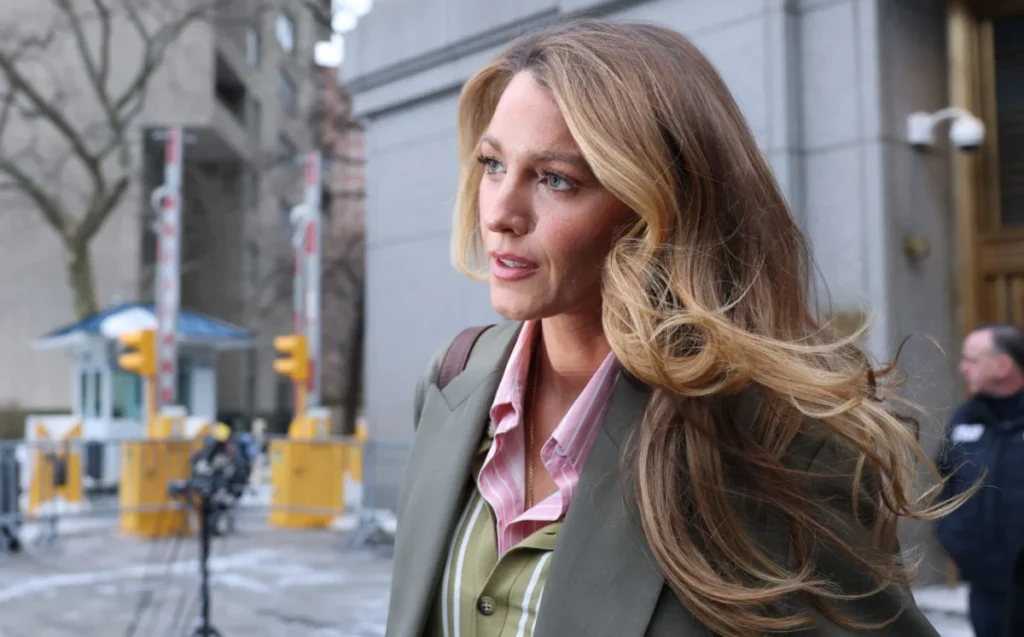

Actress Blake Lively has publicly declared her unwavering commitment to pursuing justice, even as a U.S. District Judge significantly narrowed the scope of her lawsuit against It Ends With Us director and co-star Justin Baldoni and his production company, Wayfarer Studios. The ruling, delivered by Judge Lewis Liman on Thursday, dismissed the majority of Lively’s claims, including those alleging sexual harassment, defamation, and conspiracy. However, the case is now set to proceed to a May trial, focusing intensely on allegations of breach of contract and retaliation by Wayfarer, alongside claims of aiding and abetting retaliation by the PR firm representing Baldoni.
Lively’s robust response came via a statement posted to her Instagram Stories on Friday, where she asserted, "I will never stop doing my part in fighting to expose the systems and people who seek to harm, shame, silence and retaliate against victims." This statement underscores her resolve despite the judicial pruning of her initial claims, indicating a strategic shift in focus to the remaining core allegations. She expressed gratitude for the court’s decision, which she believes allows "the heart of [her] case" to be presented to a jury, emphasizing her desire to "finally tell my story in full at trial, for my own sake, but also for those who don’t have the same opportunity."
The Judicial Ruling: A Shift in Legal Focus
Judge Liman’s decision represents a critical juncture in a high-profile legal battle that has drawn considerable attention to workplace dynamics within Hollywood. The dismissal of claims pertaining to sexual harassment, defamation, and conspiracy does not necessarily negate the existence of these allegations but rather indicates that, based on the evidence presented at this stage, they did not meet the legal threshold for proceeding to trial. In complex civil litigation, judges often review claims to ensure they are legally sound and sufficiently supported by facts to warrant a full trial. The bar for proving sexual harassment can be particularly high, requiring evidence of severe or pervasive conduct that alters the conditions of employment and creates an abusive working environment. Similarly, defamation claims demand proof of false statements made with malicious intent that cause reputational harm.
However, the judge’s decision to allow claims of breach of contract and retaliation to advance signifies that these allegations possess sufficient legal merit to be heard by a jury. Breach of contract typically involves the violation of terms agreed upon in an employment or production agreement, which could relate to working conditions, safety protocols, or professional conduct. Retaliation, on the other hand, refers to adverse actions taken against an individual for engaging in legally protected activities, such as reporting harassment or unsafe working conditions. In this context, Lively alleges she faced "pervasive RETALIATION" for "privately and professionally asking for a safe working environment for myself and others." This distinction is crucial, as the trial will now concentrate on whether Wayfarer Studios and Baldoni’s PR firm engaged in actions designed to punish Lively for her earlier complaints.
Lively’s Unyielding Stance and Broader Advocacy
Lively’s public statements reveal a profound commitment not just to her personal legal battle but to broader advocacy for workplace safety and accountability. "The last thing I wanted in my life was a lawsuit," she stated, "but I brought this case because of the pervasive RETALIATION I faced, and continue to, for privately and professionally asking for a safe working environment for myself and others." This framing positions her lawsuit as a stand against systemic issues, resonating with ongoing conversations in the entertainment industry regarding power imbalances and the challenges faced by individuals who speak out.
Her statement also included a poignant reference to a previous legal maneuver by Baldoni. Lively alluded to alleged texts she sent to her husband Ryan Reynolds and friend Taylor Swift, comparing herself to Game of Thrones character Khaleesi and Reynolds and Swift to her dragons. These texts had been revealed as part of Baldoni’s January 2025 defamation and extortion countersuit, which was itself dismissed in June of last year. Lively’s use of a dragon emoji following her declaration, "I know it’s a privilege to be able to stand up. I will not waste it," served as a powerful reclamation of this imagery, signaling her readiness to fight with the support of her "dragons." This subtle yet potent detail underscores the personal toll and strategic considerations in such high-stakes legal confrontations.
Furthermore, Lively urged her fans not to "be distracted by the digital soap opera," highlighting the very real "physical pain from digital violence" and asserting that "My claims won’t be the first or last time you’ll see examples of the extreme dangers of retaliation and digital warfare." This acknowledges the public nature of the dispute and the potential for online discourse to inflict further harm, emphasizing her concern about the broader societal implications of digital attacks.
A Chronology of Legal Proceedings and Allegations
The legal saga between Blake Lively and Justin Baldoni has unfolded over several months, marked by escalating claims and counterclaims:
- Initial Allegations: Lively’s lawsuit stemmed from alleged incidents during the production of It Ends With Us, where she claimed to have experienced sexual harassment and subsequently faced retaliation for raising concerns about workplace safety. The specific details of the alleged harassment, though now dismissed from the trial, formed the initial impetus for her legal action.
- Baldoni’s Countersuit (January 2023): In response to Lively’s allegations, Baldoni filed a defamation and extortion countersuit. This countersuit alleged that Lively had engaged in a scheme to extort money from him and his company. It was during this phase that the aforementioned "Khaleesi" texts, which Baldoni’s legal team presented as evidence of an "extortionate scheme," became public. This move was widely seen as an aggressive tactic to discredit Lively’s claims.
- Dismissal of Baldoni’s Countersuit (June 2023): U.S. District Judge Lewis Liman, the same judge who issued the recent ruling, dismissed Baldoni’s defamation and extortion countersuit against Lively. This dismissal was a significant early victory for Lively, signaling that Baldoni’s attempts to frame her actions as extortion lacked sufficient legal basis to proceed.
- Judge Liman’s Ruling (April 2024): The most recent ruling, which is the subject of current discussions, saw the dismissal of Lively’s claims of sexual harassment, defamation, and conspiracy, while allowing breach of contract and retaliation claims to proceed to trial.
- Upcoming May Trial: The stage is now set for a jury trial next month, where the focus will be exclusively on the remaining claims. Lively is expected to testify, presenting her narrative and evidence regarding the alleged retaliation and contractual breaches.
The Substance of Remaining Claims: Retaliation and Breach of Contract
The May trial will delve into the specifics of alleged retaliation by Wayfarer Studios and Baldoni’s PR firm, as well as any purported breach of contract. Legal definitions of retaliation typically require proof that an adverse action was taken against an employee or contractor because they engaged in a protected activity. In a film production context, protected activities could include reporting safety violations, harassment, or advocating for a healthier work environment. Adverse actions could range from negative public relations campaigns to professional blacklisting or creating a hostile work atmosphere.
The court’s ruling indicated that while Baldoni was entitled to protect his reputation, some of his alleged actions could indeed be construed as an attack on Lively’s. Specifically, the ruling cited "key messaging in Baldoni’s PR campaign that she had a ‘less than favorable reputation in the industry span[ning] decades’" as potentially problematic. Furthermore, the court found evidence that could lead a jury to conclude that Wayfarer Studios "planned more aggressive moves designed to hurt her career." These findings suggest a credible basis for Lively’s claims that her professional standing and career prospects were deliberately targeted after she raised concerns.
Breach of contract claims in a film production typically involve violations of agreements related to performer safety, working conditions, or professional conduct expectations outlined in talent contracts. These contracts often contain clauses related to a safe working environment, timely payment, and non-disparagement, among others. Lively’s legal team will likely present evidence demonstrating how Wayfarer Studios allegedly failed to uphold specific contractual obligations, contributing to an unsafe or retaliatory environment.
Industry Reactions and Support for Lively
The legal proceedings have not gone unnoticed within the entertainment industry. Lively’s agency, WME, issued a strong statement of support for the actress, emphasizing her courage and moral clarity. "In an industry that too often asks women to absorb the damage and stay quiet, Blake Lively chose to stand up for herself, her castmates, and those without the ability to fight back," WME stated. The agency further highlighted how Lively "helped expose the devastating harm caused by covert digital takedown campaigns designed to intimidate, discredit, and drown out the truth."
This public backing from a major talent agency is significant. It signals a shift in industry norms, where agencies are increasingly willing to vocally support their clients in disputes involving workplace misconduct and retaliation, especially in the wake of movements like #MeToo. Such endorsements provide not only moral support but also lend credibility and professional weight to the plaintiff’s claims, potentially influencing public perception and industry practices.
Meanwhile, Baldoni’s lawyers, Alexandra Shapiro and Jonathan Bach, emphasized the judge’s decision had left a "significantly narrowed case." This legal interpretation suggests that while the case proceeds, the defense views the dismissal of the more severe claims (harassment, defamation) as a partial victory, limiting the scope of potential liability.
Broader Implications for Hollywood and Workplace Safety
This ongoing legal battle carries significant implications for the entertainment industry, particularly concerning workplace safety, accountability, and the handling of complaints.
- Reinforcing Retaliation Protections: The fact that retaliation claims are proceeding underscores the importance of legal protections against punitive actions for reporting misconduct. This case could serve as a powerful reminder to production companies and individuals that attempts to silence or discredit whistleblowers will be met with legal challenges.
- Scrutiny on PR Tactics: The court’s acknowledgment that Baldoni’s PR campaign could be seen as an attack on Lively’s reputation brings renewed scrutiny to the ethical boundaries of public relations in legal disputes. It highlights the potential for PR strategies to cross the line from reputation defense to active defamation or intimidation.
- The Evolving Landscape of #MeToo: While the sexual harassment claims were dismissed, the case remains rooted in the broader cultural conversation ignited by the #MeToo movement, which brought widespread attention to misconduct and the importance of speaking out. Lively’s continued fight, particularly against retaliation, aligns with the ongoing efforts to create safer and more equitable workplaces in Hollywood.
- Power Dynamics on Set: The case also shines a light on the inherent power dynamics on film sets, especially when a director also serves as a co-star and is affiliated with the production company. Such dual roles can complicate reporting structures and potentially create an environment where individuals feel less empowered to voice concerns without fear of reprisal.
- Precedent for Future Cases: The outcome of the May trial, particularly concerning the definition and proof of retaliation and breach of contract in a high-profile production, could set important precedents for how similar disputes are handled in the future. It may influence contractual language, industry best practices for complaint resolution, and the responsibilities of production companies to ensure a safe and respectful working environment.
Looking Ahead: The May Trial
As the May trial approaches, all eyes will be on the proceedings. Blake Lively’s testimony will be a central component, as she details the alleged retaliation and contractual breaches she experienced. The jury will be tasked with evaluating the evidence presented by both sides, including internal communications, public statements, and witness testimonies, to determine whether Wayfarer Studios and Baldoni’s PR firm indeed engaged in the alleged retaliatory actions and violated contractual agreements.
The outcome will not only determine the financial and reputational consequences for the parties involved but will also contribute to the ongoing dialogue about accountability, transparency, and the protection of individuals who dare to speak up in the powerful and often complex world of entertainment. Lively’s unwavering commitment, despite the legal hurdles, ensures that this case will continue to be a significant touchstone in the industry’s journey toward fostering genuinely safe and equitable workplaces.