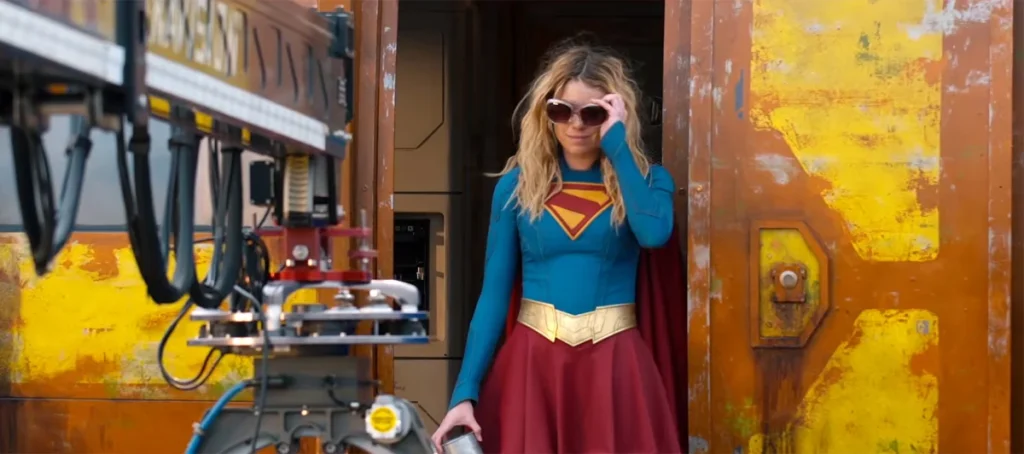

Warner Bros. and DC Studios have offered audiences a compelling glimpse into the highly anticipated Supergirl film with the release of a new behind-the-scenes featurette. This promotional material, arriving ahead of the film’s theatrical launch in June 2026, focuses on the portrayal of Kara Zor-El by Milly Alcock, emphasizing her powerful presence and readiness for the major big-screen role. The featurette complements the previously released official trailer and teaser, further building anticipation for what promises to be an action-packed installment in the evolving DC Universe.
Directed by Craig Gillespie, known for his distinctive work on films like I, Tonya and Cruella, Supergirl is set to continue the narrative momentum established by last year’s Superman. The film’s plot centers on Kara Zor-El’s journey, beginning with a 21st birthday celebration that takes an unexpected turn. A trip across the galaxy with her canine companion, Krypto, leads to an encounter with Ruthye Marye Knoll and a subsequent tragedy that propels Kara into a quest for vengeance. This personal mission, driven by the need to save her dog, will see Supergirl confronting a ruthless adversary and, as the featurette suggests, becoming "a complete force to be reckoned with."

Milly Alcock’s Transformative Portrayal
The newly released featurette places a significant spotlight on Milly Alcock’s performance as Kara Zor-El. Described as "perfect and totally badass," Alcock’s take on the iconic Kryptonian hero is positioned as a central strength of the film. This emphasis suggests a deliberate effort by the filmmakers to showcase a Supergirl who is not only a symbol of hope but also a formidable warrior, capable of handling intense conflict and emotional depth. The behind-the-scenes footage likely offers insights into Alcock’s preparation, the physicality of the role, and her collaborative process with director Craig Gillespie. The desire to present a "badass" Supergirl, as alluded to in the original reporting, indicates a potential shift towards a more action-oriented and perhaps less traditionally saccharine depiction of the character, aligning with contemporary trends in superhero filmmaking that often prioritize gritty realism and complex character arcs.
A Universe Expands: The DC Studios Slate
The release of Supergirl is a significant event within the broader strategy of DC Studios, co-chaired by James Gunn and Peter Safran. Following the successful introduction of David Corenswet’s Superman in Superman (2025), Supergirl is poised to further flesh out the nascent DC Universe. This approach signifies a commitment to building a cohesive and interconnected cinematic world, with each film contributing to a larger narrative tapestry. The involvement of Safran and Gunn as producers on Supergirl underscores this overarching vision, ensuring that the film aligns with the studio’s long-term plans for its superhero properties. The integration of established characters like Lobo, portrayed by Jason Momoa, also hints at potential crossovers and a more expansive DC mythology being explored on screen.
Key Cast and Creative Team
Beyond Milly Alcock’s central performance, Supergirl boasts a robust supporting cast that further enhances its appeal. Matthias Schoenaerts, Eve Ridley, David Krumholtz, and Emily Beecham are all set to play significant roles, though details regarding their characters have been largely kept under wraps. The casting of Jason Momoa as Lobo, a notoriously brutal and anti-heroic character, is a particularly noteworthy inclusion, suggesting a potential for a darker, more morally ambiguous narrative thread within the film. The screenplay is penned by Ana Nogueira, with the film based on the DC character created by Otto Binder and Al Plastino, and drawing inspiration from a comic by Tom King, indicating a blend of classic lore and contemporary storytelling sensibilities. Craig Gillespie’s directorial expertise, honed through a diverse filmography, suggests a unique and possibly unconventional approach to the superhero genre, potentially infusing the film with his signature blend of character-driven drama and stylistic flair.

Plot Dynamics and Interstellar Adventure
The narrative arc of Supergirl appears to be deeply personal, revolving around Kara Zor-El’s quest for revenge and justice. The synopsis reveals a journey that begins with celebration and quickly escalates into high stakes. The involvement of Krypto, Kara’s loyal canine companion, adds an emotional anchor to the story, with his safety becoming a primary motivator for Supergirl’s actions. The introduction of Ruthye Marye Knoll and the implied tragedy suggest a complex plot that delves into themes of loss, vengeance, and the moral compromises that can arise in the pursuit of justice. The interstellar setting further broadens the scope of the film, promising visually stunning sequences and encounters with alien worlds and cultures. The juxtaposition of Kara’s birthday celebration with a subsequent journey of violence and redemption sets a compelling stage for her character development.
The Broader Impact on the DC Extended Universe
The strategic placement of Supergirl within the DC Studios’ release schedule is indicative of a carefully planned expansion of their cinematic universe. The film’s release in June 2026, following Superman in 2025, suggests a deliberate effort to establish and solidify core characters and storylines before venturing into more complex ensemble narratives. This approach mirrors the successful building blocks of other major cinematic universes, aiming to foster audience familiarity and investment in the characters and their world. The success of Supergirl will likely influence future DC projects, potentially paving the way for spin-offs, team-up films, and a deeper exploration of the established mythology. The film’s ability to balance the introduction of a new hero with the integration of existing or familiar elements, such as Lobo, will be crucial in its long-term impact on the DC brand.
Marketing Strategy and Audience Engagement
The release of this behind-the-scenes featurette, along with the previously issued trailers, forms a critical component of the film’s marketing campaign. By offering a glimpse into the creative process and highlighting key performances, DC Studios aims to generate sustained interest and anticipation among fans. The focus on Milly Alcock’s "badass" portrayal is a clear attempt to resonate with contemporary audiences who often gravitate towards strong, multifaceted female protagonists. The visual elements showcased in the featurette and trailers, likely featuring dynamic action sequences and compelling character moments, are designed to appeal to both dedicated comic book enthusiasts and a broader cinematic audience. The ongoing drip-feed of promotional content, from teasers to full trailers and now behind-the-scenes insights, is a standard but effective strategy for building pre-release buzz and managing audience expectations.

Anticipated Release and Future Implications
Warner Bros. Pictures is slated to release Supergirl in theaters worldwide on June 26th, 2026. This release date positions the film as a major summer tentpole, aiming to capture a significant share of the box office market. The film’s performance will not only determine its own success but also have tangible implications for the future trajectory of the DC Universe. A strong showing at the box office and positive critical reception would likely solidify the direction of DC Studios and encourage further investment in similar character-driven narratives. Conversely, a less favorable outcome could necessitate a re-evaluation of the studio’s strategy. As the release date approaches, further promotional materials and potential sneak peeks are expected, continuing to fuel public interest and solidify Supergirl‘s place as a key event in the 2026 film landscape. The film represents a significant opportunity for DC Studios to not only introduce a beloved character to a new generation of moviegoers but also to establish a compelling and enduring foundation for its cinematic universe.
The film’s creative team, including director Craig Gillespie and producers Peter Safran and James Gunn, are working to translate the iconic Supergirl character from comic book pages to the silver screen with a vision that aims for both fidelity to the source material and innovative storytelling. The screenplay by Ana Nogueira is expected to capture the essence of Kara Zor-El’s journey, exploring her alien heritage, her burgeoning powers, and her moral compass as she navigates the complexities of human society and intergalactic threats. The inclusion of elements such as Krypto, the super-powered canine, adds a unique touch that can resonate with audiences of all ages, while the confrontation with a ruthless adversary promises the kind of high-stakes action that defines the superhero genre.
The overarching goal for DC Studios appears to be the cultivation of a robust and interconnected cinematic universe, and Supergirl is a pivotal piece of that ambitious puzzle. By introducing and developing key characters like Kara Zor-El and exploring their individual narratives, the studio aims to build a foundation of compelling stories and beloved heroes. The integration of characters like Jason Momoa’s Lobo suggests a willingness to explore the more rugged and morally ambiguous corners of the DC pantheon, potentially offering a broader spectrum of storytelling than previously seen. This strategic approach, focusing on both established icons and fan-favorite anti-heroes, signals a dynamic and evolving vision for the future of DC films. The success of Supergirl will undoubtedly be a significant indicator of the effectiveness of this strategy and its impact on the broader landscape of superhero cinema.