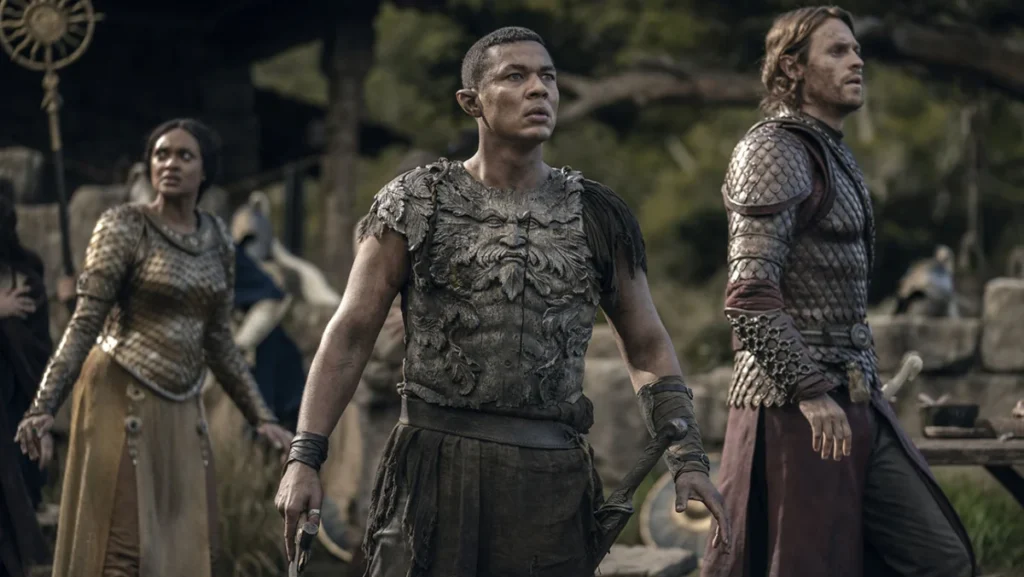

Amazon MGM Studios is undergoing a significant restructuring within its Worldbuilding Series team, a move that signals a continued strategic evolution for the streaming giant’s genre content division. This reorganization has led to the departures of Matthew King and Adrienne O’Riain, two key executives who played instrumental roles in the development and production of ambitious projects for Prime Video. The changes, communicated internally via a memo from Blair Fetter, head of the Worldbuilding team, aim to foster a "flatter, more streamlined structure" designed to enhance agility and autonomy in the creation of global series.
This latest adjustment is not an isolated event but rather a direct continuation of a series of strategic realignments initiated earlier this year within Amazon MGM Studios’ television division. These shifts underscore Amazon’s relentless pursuit of efficiency, innovation, and market dominance in the fiercely competitive global streaming landscape, particularly in high-stakes, high-budget genre programming.
A Chronology of Strategic Realignment
The current reorganization of the Worldbuilding Series team can be best understood within a broader timeline of executive and structural changes that have been unfolding within Amazon MGM Studios throughout 2024. This sequence of events illustrates a deliberate effort to refine the organization’s approach to content development and production.
The initial tremors of change began in January, when Peter Friedlander, Amazon MGM Studios’ Head of Scripted Originals, spearheaded a major shake-up across the TV division. This comprehensive overhaul was designed to establish more specialized, genre-focused teams, each dedicated to distinct categories of programming: Drama, Comedy, Worldbuilding (encompassing fantasy, science fiction, and other expansive narrative universes), Animation, and Unscripted. The rationale behind this segmentation was clear: to cultivate deep expertise within each genre, streamline decision-making, and accelerate the pipeline for specific types of content that resonate with Prime Video’s diverse global audience. This initial restructuring resulted in the departures of Laura Lancaster and Nick Pepper, two senior executives whose roles were impacted by the newly defined departmental mandates.
Following this foundational reorganization, the critical role of leading the newly formed Worldbuilding team was filled approximately a week later by Blair Fetter. Fetter’s appointment signaled Amazon MGM Studios’ commitment to strengthening its genre content output, a category that has proven to be a significant driver of subscriber acquisition and retention for all major streaming platforms. Given Amazon’s substantial investments in high-profile "worldbuilding" series, such as The Lord of the Rings: The Rings of Power and The Wheel of Time, the leadership of this specific team carries immense strategic weight.
The latest development, communicated by Fetter to his staff, represents a refinement of the January blueprint. Fetter’s memo detailed a new structural philosophy for the Worldbuilding Series organization, emphasizing a move towards a "flatter, more streamlined structure." This design is intended to empower leaders who are "nimble and versatile enough to move fluidly between development and current production," ultimately positioning the team "to move with greater autonomy" in its mission to develop "ambitious, global series" that captivate audiences.
Executive Departures and Praised Contributions
The immediate consequence of this refined structure is the departure of Matthew King and Adrienne O’Riain. Blair Fetter’s internal memo specifically acknowledged their significant contributions, offering a glimpse into their roles and the impact they had on Amazon MGM Studios’ content slate.
Matthew King was lauded for bringing a "distinct vision to the wholly owned development team." His tenure saw the successful launch of 56 Days, a project that demonstrated his strategic acumen in bringing new narratives to Prime Video. Furthermore, King was instrumental in the development of upcoming series such as Carrie and Criminal, indicating a focus on acquiring and nurturing intellectual property with broad appeal. His departure marks the end of a period characterized by a clear drive towards proprietary content development.
Similarly, Adrienne O’Riain was recognized for her contributions to 56 Days and, notably, for championing the "highly anticipated series Elle." Her work underscored a commitment to identifying and cultivating projects with strong creative potential, suggesting a keen eye for narratives that could resonate with a global viewership. Both executives were thanked for their "hard work," "incredible partnership," and the "care they brought to Prime Video every single day," sentiments that, while standard in such announcements, also highlight the value placed on their individual efforts within the organization.
The departures of King and O’Riain, following those of Lancaster and Pepper earlier in the year, illustrate a broader pattern of executive shifts as Amazon MGM Studios recalibrates its leadership teams to align with its evolving strategic priorities. Such changes are common in large corporations undergoing significant integration and strategic reorientation, particularly in the dynamic media industry.
Blair Fetter’s Vision: A Deeper Dive into the Memo
Blair Fetter’s memo provides crucial insights into the philosophical underpinnings of the latest reorganization. The core message revolves around enhancing operational efficiency and fostering a more responsive creative environment.
The phrase "flatter, more streamlined structure" typically implies a reduction in hierarchical layers, aiming to facilitate quicker decision-making and more direct communication channels. In a creative industry like television production, this can translate into faster greenlighting processes, more agile responses to market trends, and a reduced bureaucratic burden on creative teams. The goal is to minimize friction between the conceptualization of a project (development) and its execution (current production).
The emphasis on leaders who are "nimble and versatile enough to move fluidly between development and current production" suggests a shift away from strictly siloed roles. Traditionally, development executives focus on identifying, acquiring, and nurturing new ideas, while current production executives manage ongoing series. Fetter’s vision points towards a more integrated approach, where executives possess a holistic understanding of a project’s lifecycle, from its nascent idea phase through its complex production demands. This versatility could lead to more consistent creative vision and fewer hand-off challenges, theoretically improving project coherence and quality.
Furthermore, the objective to enable the team to "move with greater autonomy" reflects a desire to empower individual units and their leaders to make more independent decisions. In a vast corporation like Amazon, which is known for its data-driven culture and centralized oversight, granting greater autonomy can be a strategic move to foster innovation and speed, allowing creative teams to respond more quickly to niche demands and emerging trends without constant top-down approval. This autonomy, however, is invariably balanced against the overarching strategic goals and financial parameters set by the larger Amazon MGM Studios framework.
The ultimate aim, as articulated by Fetter, is to continue developing "ambitious, global series our audiences love." This statement reinforces Amazon’s commitment to high-quality, large-scale productions that can resonate across diverse international markets, a hallmark of its streaming strategy. The reorganization is presented as a means to better achieve this core mission.
Broader Context: Amazon’s Streaming Ambitions and MGM Integration
This series of reorganizations at Amazon MGM Studios cannot be viewed in isolation. They are integral to Amazon’s overarching strategy to solidify its position as a global entertainment powerhouse, a strategy significantly bolstered by its $8.5 billion acquisition of MGM in 2022.
The MGM acquisition was a monumental move, providing Amazon Prime Video with a treasure trove of intellectual property, including iconic franchises like James Bond, Rocky, and a vast film and television library spanning decades. Integrating such a legacy studio into Amazon’s digital-first, tech-centric ecosystem is a complex undertaking, often necessitating numerous structural adjustments to optimize synergy, avoid redundancies, and leverage the strengths of both entities. The ongoing reorganizations are a natural outcome of this integration process, as Amazon seeks to harmonize creative visions, production pipelines, and executive leadership.
Amazon’s investment in content is staggering, with reports indicating annual spending in the billions of dollars on original programming and licensed content for Prime Video. This aggressive investment is a direct response to the intensely competitive streaming landscape, where companies like Netflix, Disney+, Max, and others are vying for subscriber attention and loyalty. In this "streaming war," distinctive, high-quality content is the primary weapon.
Genre content, particularly "worldbuilding" series, plays a disproportionately significant role in this strategy. Shows like The Lord of the Rings: The Rings of Power, The Wheel of Time, and the critically acclaimed Fallout are not merely entertainment; they are tentpole productions designed to attract vast numbers of new subscribers and retain existing ones. These series often come with massive budgets, complex production requirements, and high expectations, making the efficiency and effectiveness of the Worldbuilding team paramount. The success of such projects can significantly impact Prime Video’s global subscriber growth and market perception.
Implications for Content Development and the Industry
The implications of this reorganization extend beyond internal executive shifts, potentially influencing the types of content Amazon MGM Studios develops and how it operates in the broader industry.
Focus on Efficiency and ROI: The emphasis on a "streamlined" structure and "nimble" leaders suggests a heightened focus on efficiency and return on investment (ROI). With the massive budgets allocated to genre series, every decision point, from greenlight to post-production, needs to be optimized. This could mean a more data-informed approach to content selection, prioritizing projects that demonstrate strong global appeal and clear commercial viability.
Versatile Talent Demand: The desire for executives who can "move fluidly between development and current production" points to a demand for a new breed of industry talent. These individuals must possess not only creative foresight but also strong project management skills, an understanding of production logistics, and the ability to navigate complex creative and financial challenges simultaneously. This might lead to a reshaping of career paths within Amazon and potentially influence hiring trends across the industry.
Creative Autonomy vs. Corporate Strategy: While Fetter’s memo speaks of "greater autonomy," it will be crucial to observe how this translates in practice. In a company of Amazon’s scale, autonomy is often nested within broader corporate strategic objectives. The balance between empowering creative teams and maintaining alignment with Prime Video’s overall content strategy, audience targeting, and brand identity will be a continuous negotiation.
Impact on Future Projects: The structural changes could influence the speed at which new projects are brought to market and the creative risks Amazon is willing to take. A more streamlined process could accelerate development cycles, allowing Prime Video to respond more quickly to emerging trends. Furthermore, the focus on "ambitious, global series" reinforces the commitment to large-scale, high-concept productions that can capture a wide international audience, potentially favoring established IPs or concepts with inherent worldwide appeal.
Industry Trends: This reorganization also reflects broader trends in the streaming industry. Many major streamers are recalibrating their content strategies, moving away from a "quantity over quality" approach to focus on fewer, higher-impact projects. They are also seeking greater operational efficiencies, especially as economic pressures and investor scrutiny intensify. Amazon MGM Studios’ actions align with this industry-wide pivot towards strategic investment and optimized execution.
Conclusion
The reorganization of the Amazon MGM Studios Worldbuilding Series team, marked by executive departures and a renewed structural philosophy, represents a calculated step in Amazon’s ongoing evolution as a major force in global entertainment. These changes, following earlier realignments and driven by the strategic integration of MGM, are designed to enhance agility, streamline operations, and ultimately strengthen Prime Video’s capacity to deliver the "ambitious, global series" that are critical to its competitive standing.
As Matthew King and Adrienne O’Riain depart, the path forward for the Worldbuilding team under Blair Fetter’s leadership is clear: to operate with greater efficiency, versatility, and autonomy in a dynamic content landscape. The success of these adjustments will be measured not only in internal operational metrics but, more importantly, in the continued ability of Amazon Prime Video to produce groundbreaking, world-class genre content that captivates and expands its audience across the globe. This latest move underscores Amazon’s unwavering commitment to investing heavily in premium content, meticulously refining its creative engine to ensure it remains a formidable player in the high-stakes world of streaming entertainment.