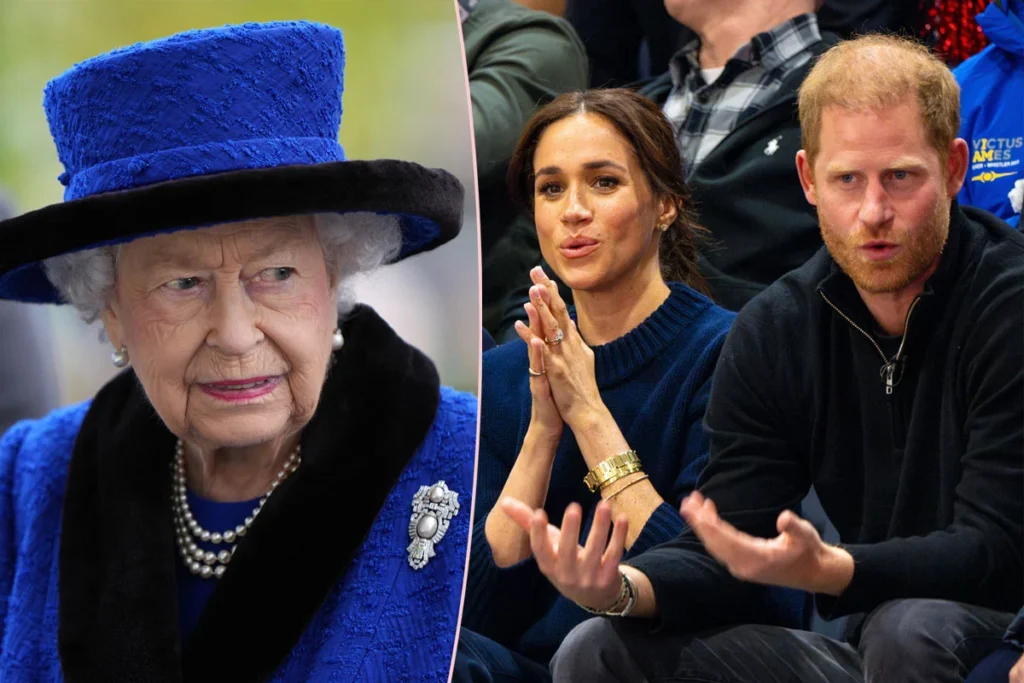

New revelations from a forthcoming biography suggest that Queen Elizabeth II maintained a significant distance from her grandson, Prince Harry, in the final years of her reign, reportedly requiring a lady-in-waiting to be present during all telephone conversations with him. This unprecedented measure underscores the deep fissures that emerged within the Royal Family following the Duke and Duchess of Sussex’s departure from official duties and subsequent public disclosures.
The extraordinary detail comes from Hugo Vickers’ new book, Queen Elizabeth II: A Personal History, which paints a picture of a monarch profoundly affected by the actions of Prince Harry and Meghan Markle. Vickers asserts in his biography, "Whenever Prince Harry called his grandmother, she asked her lady-in-waiting to stay with her." This claim has been corroborated by a palace insider, who further explained the Queen’s motivations, stating that Her Majesty desired a "record" of all conversations and sought "moral support and protection" during these exchanges. The insider also noted that the Queen’s responses during these calls were often terse, characterized by "one word answers, ‘yes’ and ‘no’," indicating a clear defensive posture.
The Genesis of Distrust: A Chronology of Events
The alleged need for a witness marks a poignant culmination of years of escalating tension between Prince Harry and the Royal Family. The journey began in earnest with the Duke and Duchess of Sussex’s engagement in November 2017, followed by their marriage in May 2018. Initially, the couple was celebrated as a symbol of modern royalty, bringing a fresh perspective to the ancient institution. However, beneath the surface, challenges regarding privacy, media scrutiny, and their roles within the monarchy began to mount.
- January 2020: "Megxit" Announced. Prince Harry and Meghan Markle publicly announced their intention to step back as "senior" members of the Royal Family, seeking financial independence and splitting their time between the UK and North America. This decision, dubbed "Megxit" by the media, sent shockwaves through the monarchy and the public alike. The Queen, in an official statement, expressed her understanding and support for their desire for a "more independent life," while emphasizing the complexities of the transition.
- March 2020: Official Departure. The couple officially ceased to be working royals, relocating first to Canada and then to California. This period marked the beginning of their more public endeavors outside the direct control of the Buckingham Palace communications machine.
- March 2021: The Oprah Winfrey Interview. This bombshell interview with Oprah Winfrey aired, featuring Prince Harry and Meghan Markle making a series of startling allegations against the Royal Family. These included claims of racism regarding their son Archie’s skin tone, Meghan’s struggles with suicidal thoughts and the alleged lack of support from the Palace, and Harry’s feeling of being trapped within the institution. The interview was watched by tens of millions globally and deeply rattled the monarchy. The Queen’s subsequent statement, while acknowledging the "concerning" issues raised, famously stated that "recollections may vary."
- December 2022: Netflix Docuseries "Harry & Meghan." The couple released a six-part documentary series on Netflix, delving further into their experiences and reasons for leaving royal life. The series offered an intimate, albeit one-sided, account of their time as working royals, further exacerbating tensions with the Palace.
- January 2023: Publication of "Spare." Prince Harry’s memoir, Spare, was released to global fanfare and controversy. The book contained a litany of personal revelations and accusations against members of the Royal Family, including his brother Prince William and stepmother Camilla, Queen Consort. Harry detailed private conversations, physical altercations, and his frustrations with the perceived lack of support from the institution. The book’s unflinching portrayal of royal life and its intimate disclosures were widely seen as a direct challenge to the monarchy’s traditional discretion.
Each of these events chipped away at the public image of a unified Royal Family and, more importantly, severely strained the personal relationships within it. The collective weight of these disclosures, particularly the highly personal accusations made in the Oprah interview and Spare, appears to have cultivated an environment of caution and concern for the Queen.
The Queen’s Perspective: A Matter of Trust and Protection
The palace insider’s testimony to PageSix provides crucial insight into the Queen’s reported motivations. The desire for a "record of what was said" suggests a fear of misrepresentation or misinterpretation of her words. In an era where private conversations could easily be recounted in media interviews or memoirs, the Queen, known for her discretion and duty, might have felt vulnerable. This protective measure was not merely about documenting conversations but also about safeguarding her reputation and the integrity of the Crown.
"The distress the Sussexes caused the Queen in the last years of her life cannot be overestimated," Vickers writes, a sentiment echoed by the insider who stated, "I think the Queen was also on her guard with Harry because she was so hurt by what he had done." This highlights a personal dimension to the royal rift, moving beyond institutional concerns to the profound emotional impact on the monarch herself. The Queen, who had dedicated her life to service and maintaining the stability of the monarchy, was reportedly deeply pained by the public airing of grievances and the perceived attacks on the institution she embodied.
The "moral support and protection" offered by a lady-in-waiting during these calls speaks volumes. It suggests that the conversations were not merely routine family chats but potentially fraught exchanges, requiring an emotional buffer for the elderly monarch. Her succinct responses – "yes" and "no" – could indicate a strategy to limit engagement and prevent any potentially incriminating or misinterpreted statements from her end.
Extending the Protocol: The Lilibet Birthday Visit
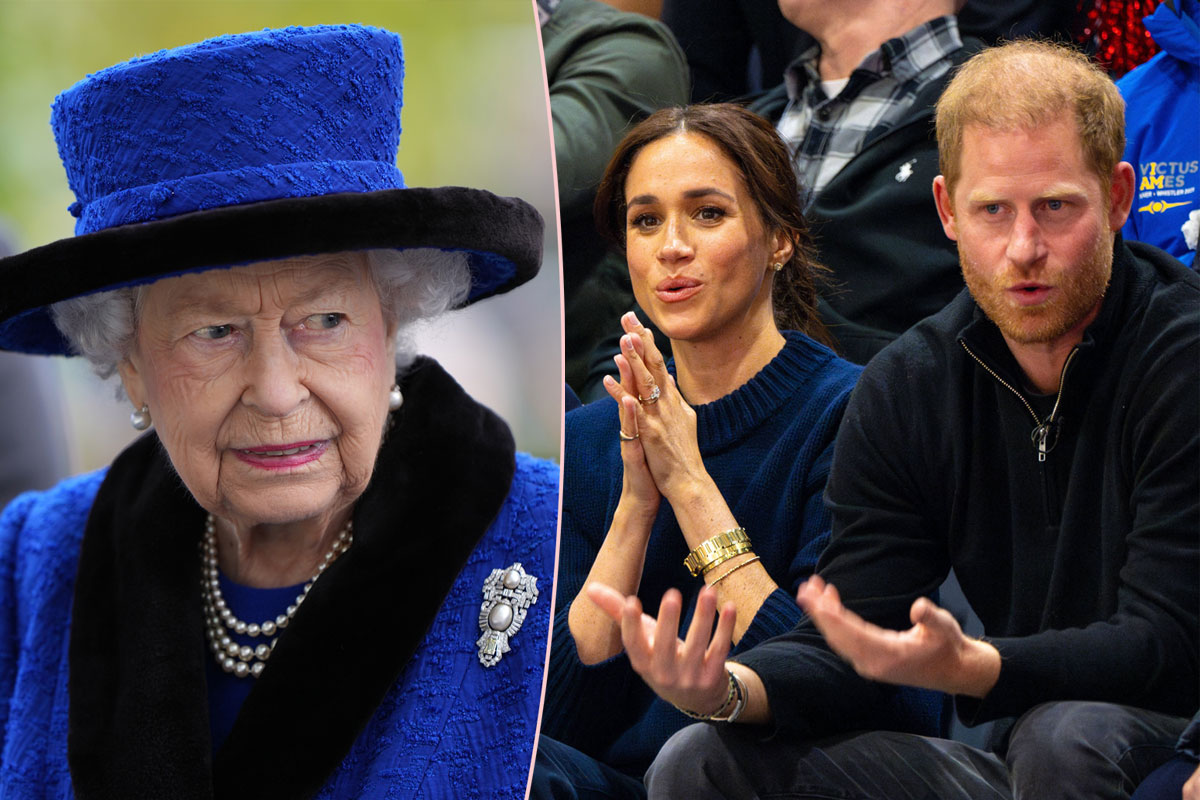
The revelations extend beyond phone calls. Vickers’ book also details an instance where a lady-in-waiting was present during an in-person meeting between the Queen and the Sussexes. This occurred during Princess Lilibet Diana Mountbatten-Windsor’s first birthday celebration in June 2022, during the Platinum Jubilee weekend.
"Prince Harry was at [his then-residence] Frogmore Cottage with his wife and two children, the gate adorned with balloons to celebrate baby Lilibet’s first birthday. They visited the Queen with the children, again with a lady-in-waiting present," Vickers states. This detail is particularly striking. While a witness during a phone call can be explained by a need for a record, the presence of a third party during a private family visit, especially one involving a great-grandchild’s birthday, suggests an even deeper level of apprehension. It implies that the Queen was unwilling to be alone with Prince Harry, even in what should have been a joyful, intimate family moment. This protocol, extending to personal visits, underscores the severity of the breakdown in trust. It signifies a profound shift from the usual informal family dynamics to a more formalized, almost guarded interaction.
Broader Implications for the Monarchy
These revelations, if widely accepted, carry significant implications for the public perception of the Royal Family and the narrative surrounding Prince Harry and Meghan Markle.
Firstly, they solidify the image of a deeply fractured family, with trust eroded to such an extent that even the monarch felt compelled to protect herself from her own grandson. This contrasts sharply with the carefully curated image of unity the monarchy strives to present, particularly during moments of national celebration or mourning.
Secondly, the details add another layer to the ongoing debate about the Sussexes’ decision to leave royal life and their subsequent public criticisms. While supporters of Harry and Meghan argue they were driven to these actions by a lack of support and understanding from the institution, these new claims suggest a profound sense of betrayal felt by the Queen, leading to protective measures. It presents a more nuanced, albeit tragic, picture of mutual misunderstanding and hurt.
Thirdly, for historians and royal watchers, these accounts provide valuable, albeit unofficial, insight into the internal dynamics of the Royal Family during a critical period. They highlight the personal cost of the "Megxit" saga, not just for the Sussexes, but for the most senior member of the family, Queen Elizabeth II, who dedicated over 70 years to her role. The narrative shifts from simply a couple seeking independence to a monarch struggling with the fallout from their actions.
The Future of Royal Relationships
With King Charles III now on the throne and Prince William as the heir apparent, the shadow of these past tensions looms large. The relationship between the Sussexes and the rest of the Royal Family remains strained, characterized by infrequent public interactions and a palpable sense of distance. While there have been sporadic attempts at reconciliation, notably during the Queen’s Platinum Jubilee and her funeral, these new insights suggest that the scars of distrust run deep.
The need for witnesses, the terse conversations, and the emotional distress attributed to the Queen paint a stark picture of a relationship that, for a time, became more adversarial than familial. As the Royal Family continues to navigate its modern role, the challenges posed by these revelations underscore the enduring impact of personal relationships on institutional stability and public perception. The question remains whether, over time, the deep-seated mistrust and hurt can ever truly heal, or if these protective measures taken by Queen Elizabeth II will stand as a permanent testament to an unprecedented period of royal discord.