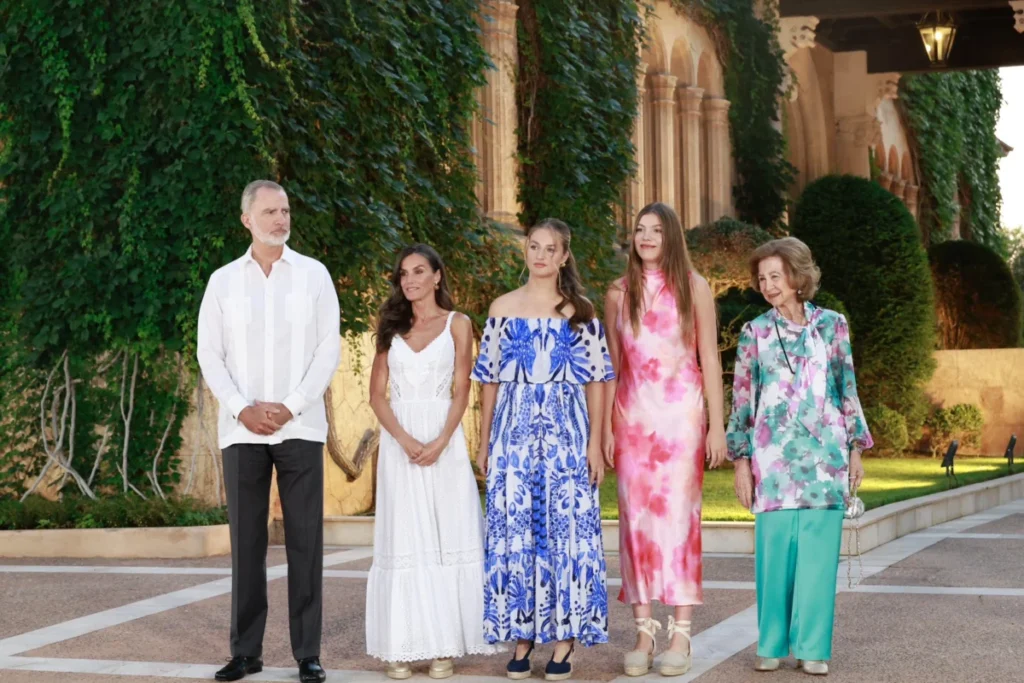

The Spanish royal family has revealed a significant development ahead of their traditional Easter break, confirming the presence of Infanta Cristina at the Marivent Palace in Mallorca. This marks the first time in years that her attendance at a royal residence has been officially acknowledged since her involvement in a high-profile financial scandal, from which she was later acquitted. The unexpected announcement signals a potential shift in how the royal household is navigating past controversies and reintegrating its members.
A Family Reunion Amidst Shifting Traditions
Infanta Cristina, 60, will be joining her mother, 88-year-old Queen Sofia, at the sun-drenched Marivent Palace as the Easter celebrations approach. This gathering at the Mallorcan summer residence takes on particular poignancy for Queen Sofia, as it will be her first Easter break on the island since the passing of her sister, Princess Irene of Greece, in January at the age of 83. Infanta Elena, Queen Sofia’s eldest daughter, is also reportedly present, consolidating a familial reunion at a location steeped in royal history.
The Marivent Palace, a sprawling estate overlooking the Bay of Palma, has long served as the Spanish royals’ summer retreat. Originally a private residence, it was gifted to the family by King Juan Carlos at the commencement of his reign, becoming a symbol of royal summer holidays for decades. Historically, the Easter and summer breaks at Marivent were highly publicised events, often attended by international royal figures and prominent politicians. For several years, the British Royal Family, including King Charles and the late Princess Diana, along with their sons Prince William and Prince Harry, were frequent guests, fostering a close bond between the two monarchies.
However, the tradition of extensive public Easter gatherings at Marivent has seen a considerable reduction under King Felipe VI. While the King and Queen Letizia do still travel to Mallorca for parts of their summer break, engaging in official duties and hosting receptions for dignitaries, the focus has shifted towards more private family holidays with their daughters, Princess Leonor and Infanta Sofia. This year’s Easter arrangements, with Infanta Cristina’s confirmed presence, represent a notable deviation from this more private approach, drawing attention to the evolving dynamics within the House of Borbón.
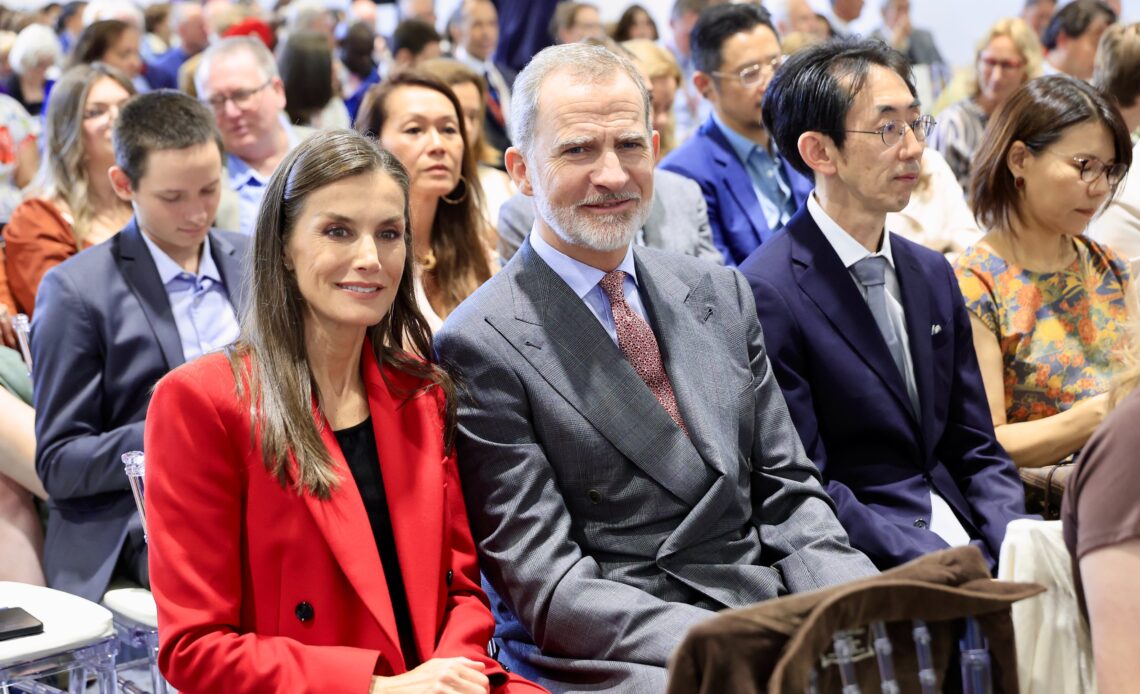
Infanta Cristina’s Journey: From Duchess to Acquittal
Infanta Cristina’s presence at Marivent is particularly noteworthy given her past estrangement from official royal life. Previously known as the Duchess of Palma de Mallorca, a title bestowed upon her by her father, King Juan Carlos, at the time of her wedding, she relinquished it following the extensive investigation into alleged financial misconduct. The scandal primarily involved her former husband, Iñaki Urdangarin, and his business dealings, which led to charges against both him and the Infanta.
The legal proceedings culminated in 2017 with Infanta Cristina’s trial and subsequent acquittal on charges of fraud. In contrast, Iñaki Urdangarin was found guilty of embezzlement and received a prison sentence of nearly six years in 2018. He was granted supervised release in 2021. The couple officially divorced in 2023, bringing a formal end to a union that had been under immense public scrutiny for years.
Since King Felipe VI’s accession to the throne in 2014, Infanta Cristina has maintained no public role within the Spanish royal family. Her appearances have been limited to strictly private family gatherings. Therefore, the official confirmation of her stay at Marivent, especially during a significant holiday period like Easter, is being interpreted as a significant step towards a more visible reintegration into the family’s private sphere.
The Current Royal Landscape: Princess Leonor and Infanta Sofia
King Felipe VI and Queen Letizia’s own Easter plans are understood to be more private this year. Their elder daughter, 20-year-old Princess Leonor, is currently engaged in the final stages of her intensive military training with the Spanish Air Force. Her younger daughter, Infanta Sofia, who will celebrate her 19th birthday in April, is embarking on her university education. Both princesses are expected to join their parents for private holidays, continuing the shift towards a more contemporary and less ostentatious royal family image.
While the specific itinerary of King Felipe and Queen Letizia for Easter remains undisclosed, their continued engagement with Mallorca for summer breaks is a testament to the island’s enduring importance for the Spanish monarchy. These summer visits typically include official engagements, such as meetings with local politicians and the Prime Minister, as well as hosting a reception for dignitaries. Last summer marked a milestone as both Princess Leonor and Infanta Sofia participated in this reception for the first time, signaling their growing roles and responsibilities within the royal family’s public engagements.
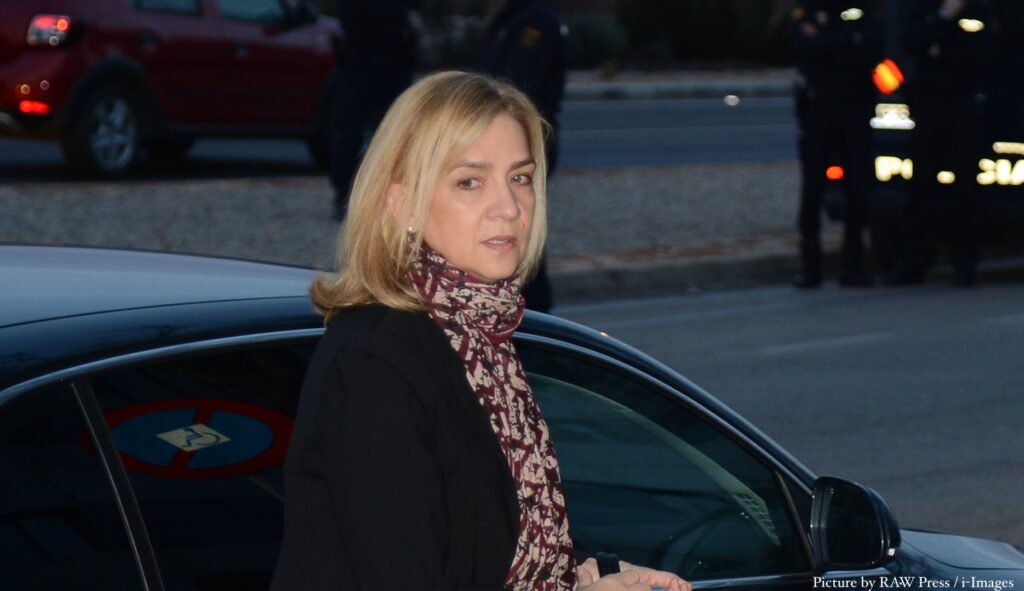
Broader Implications and Royal Reintegration
The decision to confirm Infanta Cristina’s presence at Marivent Palace during Easter could be viewed as a strategic move by the Casa de S. M. el Rey (the Household of His Majesty the King). In a monarchy that strives for a balance between tradition and modernity, and one that has faced public scrutiny regarding its financial dealings, such an acknowledgment might be an attempt to demonstrate unity and a forward-looking approach.
The acquittal of Infanta Cristina from criminal charges is a critical factor. While the scandal had a profound impact on the family’s public image, her legal exoneration provides a basis for her gradual return to the familial fold. This approach allows the monarchy to acknowledge past difficulties without dwelling on them, while simultaneously showcasing a functional and supportive family unit.
The inclusion of Infanta Cristina alongside Queen Sofia and Infanta Elena underscores the enduring importance of familial bonds, particularly during times of personal significance like Easter and in the wake of recent bereavements. It also highlights Queen Sofia’s continued role as a matriarchal figure, bridging generations and fostering continuity within the royal household.
Furthermore, the contrast between Infanta Cristina’s presence and the more private holiday plans of King Felipe and Queen Letizia with their daughters suggests a tiered approach to royal visibility. While the King and Queen are focused on projecting a modern and accessible image for their future reign, the inclusion of other family members in private settings allows for a more nuanced portrayal of the royal family’s dynamics.
The Spanish monarchy, like many others in Europe, has been adapting to changing societal expectations and increased demands for transparency. The confirmation of Infanta Cristina’s stay at Marivent, while a subtle move, is likely to be closely observed by the public and the media, offering insights into the ongoing evolution of the Spanish royal family and its strategies for managing its public perception and internal relationships. The coming weeks and months will likely reveal further nuances in how the royal household navigates these complex dynamics, particularly as Princess Leonor prepares to ascend to the throne. The sustained presence of Queen Sofia and her daughters in Mallorca, a place so intrinsically linked to the history of the Spanish monarchy, serves as a potent reminder of the enduring legacy and the continuous adaptation required for royal institutions to remain relevant in the 21st century.