
The passing of Prince Philip, Duke of Edinburgh, left a profound void in the British Royal Family and across the Commonwealth. While his public life was extensively documented, a more personal aspect of his identity emerged subtly yet significantly in the months following his death, revealed through a specific shade of green. This colour, known as Edinburgh Green, became a quiet symbol of remembrance and personal connection, brought to the forefront at a poignant memorial service held in honour of the late Duke.
The Service of Thanksgiving for Prince Philip, held at Westminster Abbey on March 29, 2022, served as a significant public occasion for the Royal Family and numerous international dignitaries to gather and pay their respects. This service, occurring several months after Prince Philip’s death on April 9, 2021, offered a more expansive opportunity for tribute than his funeral, which was significantly constrained by COVID-19 pandemic restrictions, allowing only thirty guests. The solemnity of the occasion was marked by traditional mourning attire, with many attendees opting for black. However, a discernible and consistent use of a deep, dark green hue by several key members of the Royal Family drew attention, unveiling a personal connection to Prince Philip that was not widely known prior to his passing.
The Emergence of Edinburgh Green
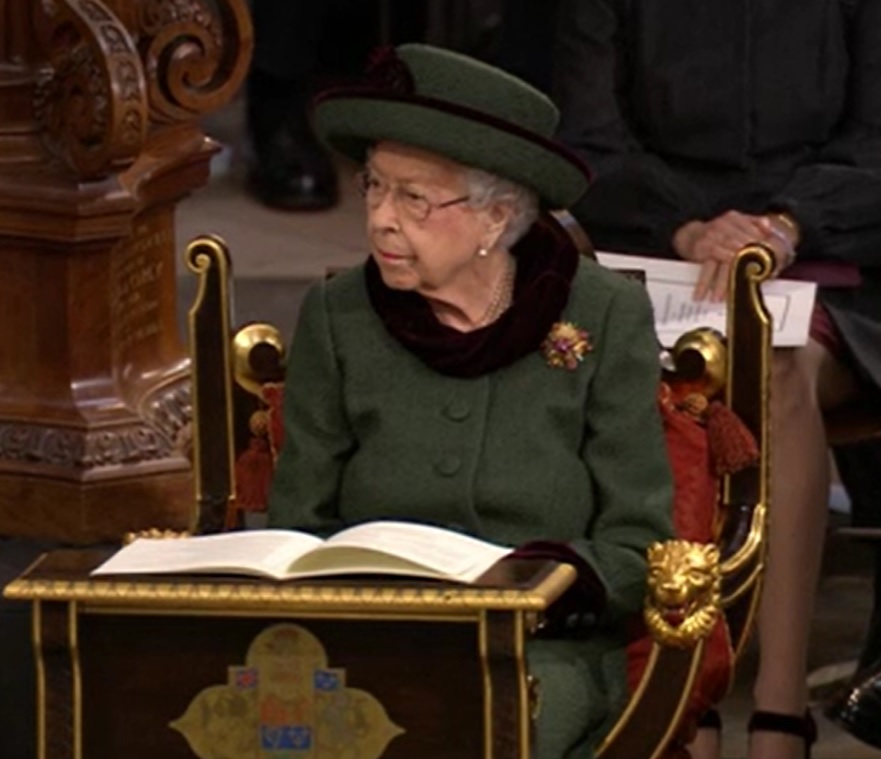
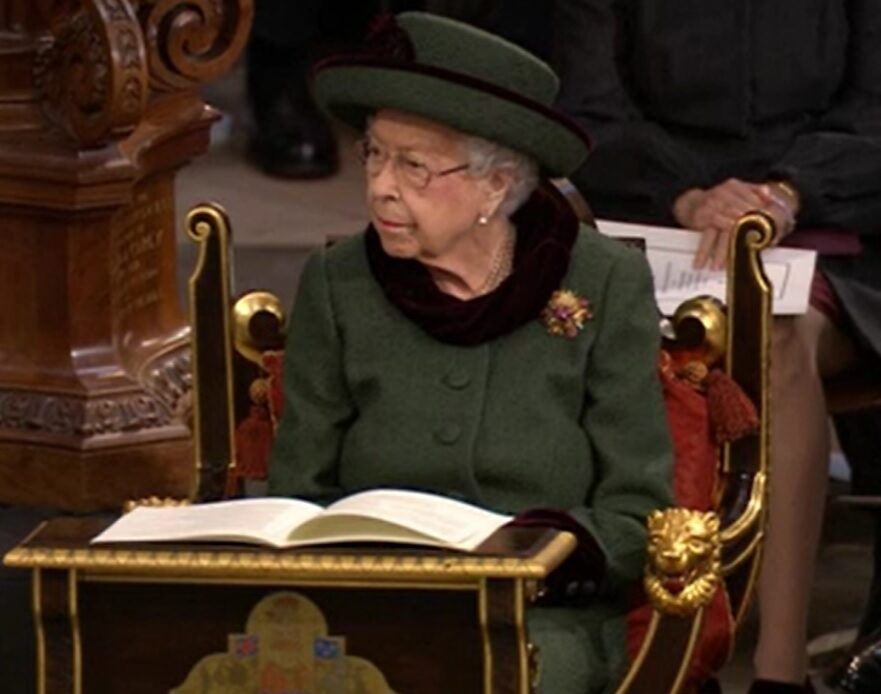
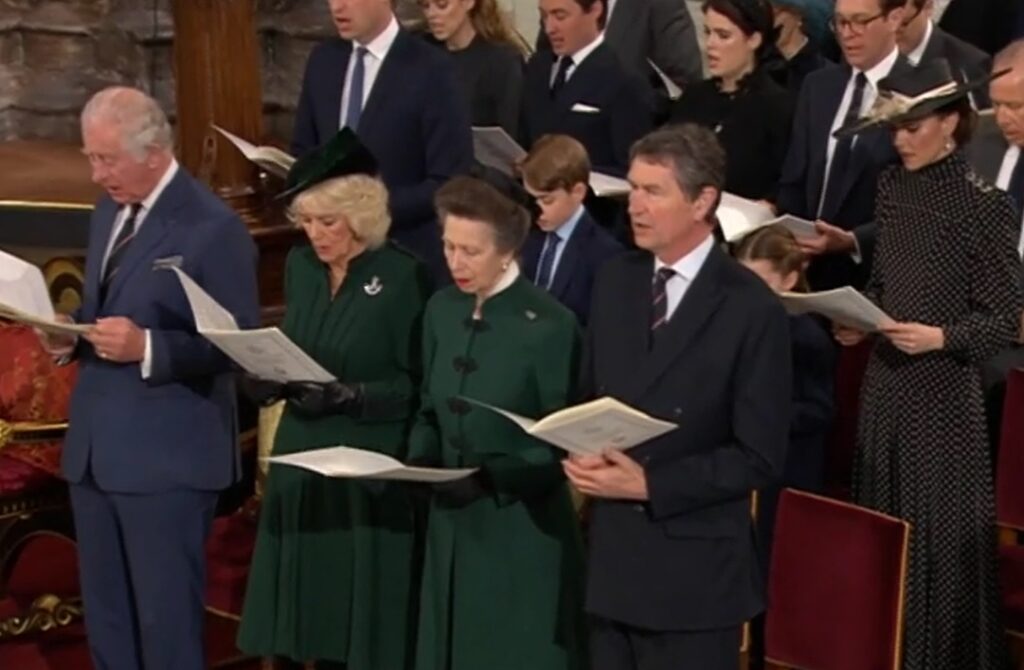
Queen Elizabeth II, the late monarch, herself wore a striking dark green coat and matching hat for the service. This choice was particularly resonant, as it directly referenced a colour intrinsically linked to her husband. Her daughter-in-law, now Queen Camilla, and her daughter, Princess Anne, also adopted the Edinburgh Green shade, further solidifying its significance as a collective tribute. The presence of this colour amongst senior royals signaled its importance beyond mere fashion choice; it was a deliberate and symbolic act of remembrance.
The colour is officially recognized as "Edinburgh Green," a dark shade that served as Prince Philip’s private livery. This means it was used on the uniforms of his household staff and on vehicles associated with him. The Royal Family’s official website corroborates this, noting that Edinburgh Green was used on private liveries for the Duke. Its association with Prince Philip was also evident in the attire worn by his page at the Coronation, who would have been dressed in this distinctive hue.
A Symbol of Half Mourning and Personal Connection
Beyond its direct association with Prince Philip, dark green also holds significance within the traditions of mourning attire. It is considered a colour of "half mourning," a period that traditionally follows the initial, deeper phase of mourning, often characterized by black. When worn in this context, as it was at the memorial service, Edinburgh Green was often trimmed with black, a clear visual cue signifying grief and remembrance. Queen Elizabeth II’s ensemble, a deep green coat and hat trimmed with black, perfectly encapsulated this nuanced expression of sorrow and honour.
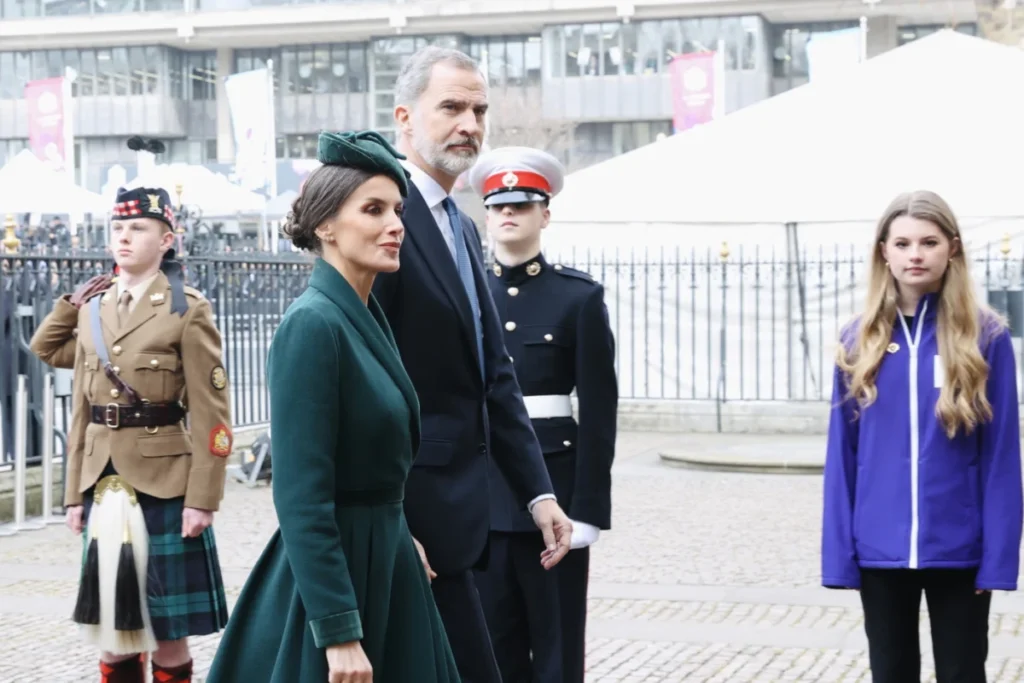
The choice of Edinburgh Green was not limited to the British Royal Family. International royals also paid homage through their attire. Princess Beatrix of the Netherlands, who reigned as queen from 1980 to 2013, was observed wearing Edinburgh Green, also trimmed with black. Queen Letizia of Spain, whose husband King Felipe shares a familial connection to Prince Philip through their shared Greek royal ancestry, similarly chose Edinburgh Green for the service. This international adoption of the colour underscored Prince Philip’s far-reaching influence and relationships.
Deeper Tributes and Personal Meanings
The memorial service also saw other subtle yet meaningful tributes. Queen Camilla wore an outfit that held particular personal significance. It was the same ensemble she had worn when she officially took over as Colonel-in-Chief of The Rifles from Prince Philip. This was a poignant reference to his final public engagement before his passing. Queen Camilla further honoured this connection by wearing her Rifles brooch, a tangible symbol of continuity and remembrance.
Other members of the Royal Family adhered to more traditional mourning protocols. Catherine, Princess of Wales, opted for a classic black dress adorned with white polka dots and a matching hat with white trim, a choice that aligned with established mourning etiquette.
The Enduring Legacy of Edinburgh Green
In the years since Prince Philip’s passing, Edinburgh Green has become more widely recognized. Notably, Sophie, Duchess of Edinburgh, has frequently adopted this shade. Her increased use of Edinburgh Green has coincided with her husband, Prince Edward, becoming the Duke of Edinburgh. This adoption by Sophie further perpetuates the colour’s association with the ducal title and, by extension, with Prince Philip’s enduring legacy.
Prince Philip passed away at the age of 99 at Windsor Castle. His death marked the end of a remarkable life of service, characterized by unwavering support for Queen Elizabeth II and a dedication to duty. His funeral, held on April 17, 2021, was a somber affair, reflective of the national mood during the pandemic. The limited attendance meant that many who wished to pay their respects could not do so in person. The subsequent Service of Thanksgiving provided a crucial opportunity for a broader expression of collective grief and admiration.
The choice of Edinburgh Green by Queen Elizabeth II and other family members was a powerful, albeit understated, way to honour Prince Philip’s distinct identity and his personal connection to this specific shade. It served as a visual thread connecting them to his memory, a private nod that resonated publicly on a day of national commemoration. The colour, once a detail known primarily within the Royal household, has now taken on a broader significance, symbolizing not just mourning, but the enduring personal legacy of a much-loved and respected royal figure. The subtle unveiling of Edinburgh Green has added a unique and personal dimension to the public’s understanding of Prince Philip’s life and his lasting impact.