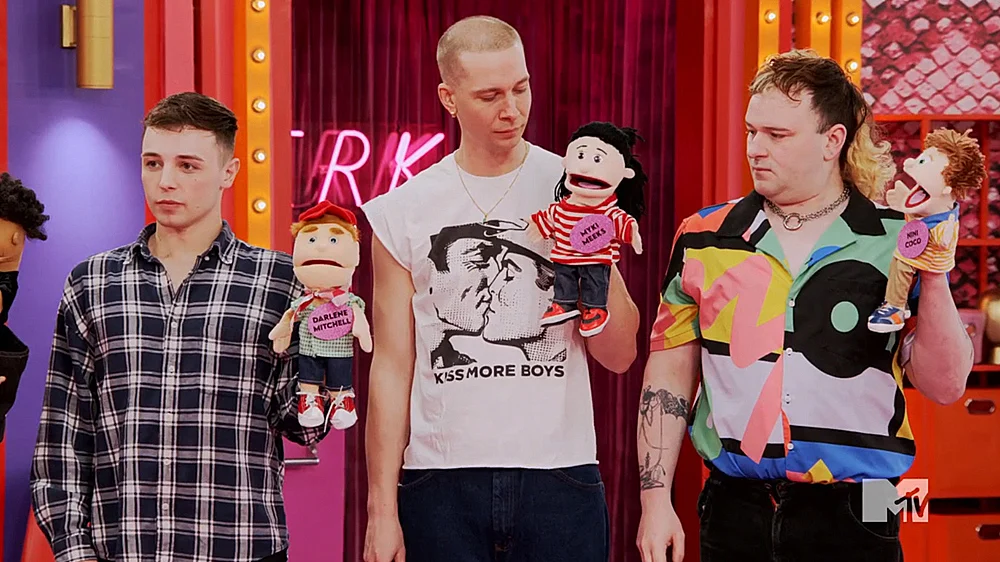

The thirteenth episode of the eighteenth season of RuPaul’s Drag Race, titled Karens Gone Wild, presented a rigorous test of improvisational skill and character commitment for the remaining contestants. As the competition nears its final stages, the production shifted focus toward raw performance ability, momentarily moving away from long-standing narrative arcs to prioritize how the queens handled high-pressure, unscripted scenarios. This episode was characterized by a distinct lack of positive reinforcement from the judging panel during the main challenge, forcing the participants to rely entirely on their internal comedic timing and professional instincts.
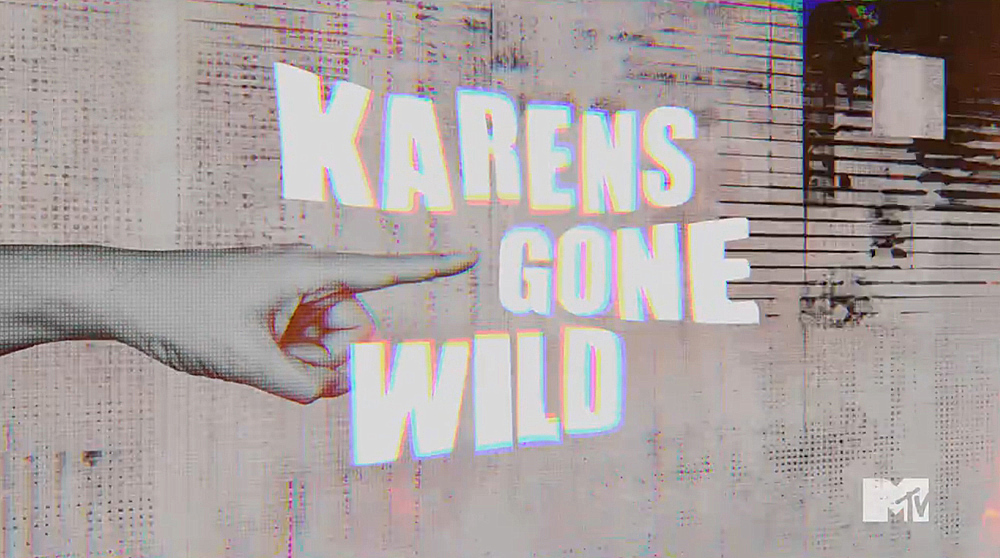
Overview of the Competition Framework and Episode 13 Objectives
In the current landscape of reality television, RuPaul’s Drag Race has evolved from a niche cable program into a global franchise with significant cultural weight. By Season 18, the expectations for contestants have reached an all-time high, requiring proficiency in fashion design, makeup artistry, choreography, and, most crucially, improvisational comedy. Episode 13 sought to isolate this last skill set by placing the queens in scenarios based on the "Karen" archetype—a modern cultural meme representing an entitled or demanding individual, typically in a service or public setting.
The episode followed the standard structural format of the franchise: a "quick drag" mini-challenge followed by a complex main challenge, a themed runway presentation, and a final lip-sync for survival. However, the tone of the episode was notably more clinical than previous installments, as host RuPaul adopted a "straight man" persona during the improv scenes, refusing to break character or offer the customary laughter that often guides performers toward successful punchlines.
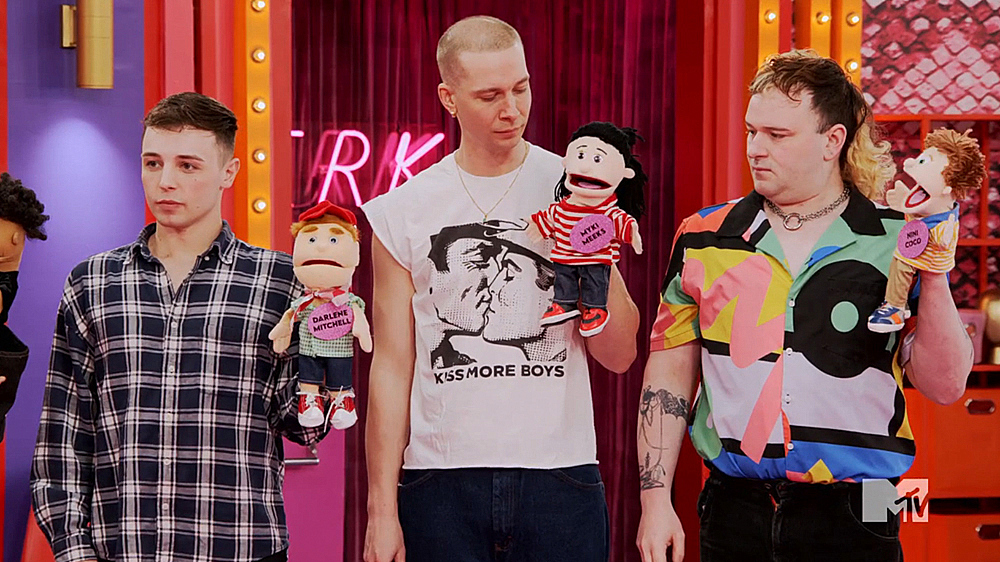
The Chronology of Karens Gone Wild
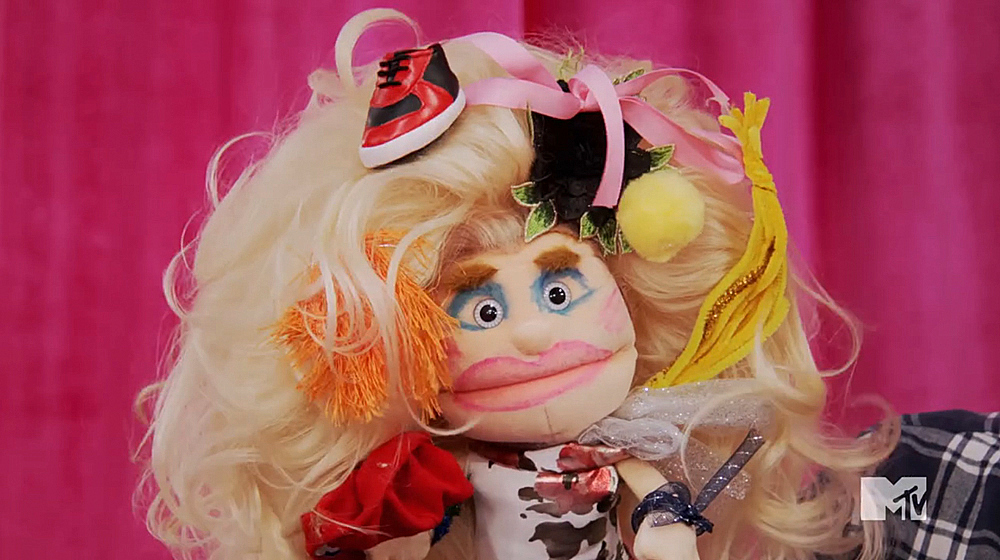
The episode commenced with a return to the "quick drag" format for the mini-challenge. This traditional staple of the series requires contestants to transform their appearance in approximately fifteen minutes to suit a specific, often absurd, theme. The utility of the quick drag challenge lies in its ability to reveal a performer’s fundamental understanding of their own drag aesthetic and their ability to think under extreme temporal constraints. Following this, the queens were briefed on the main challenge: an outdoor-style improv session titled Karens Gone Wild.
The main challenge was staged to simulate real-world environments where "Karen" sightings are frequently documented in viral media. The queens were assigned various roles, including:
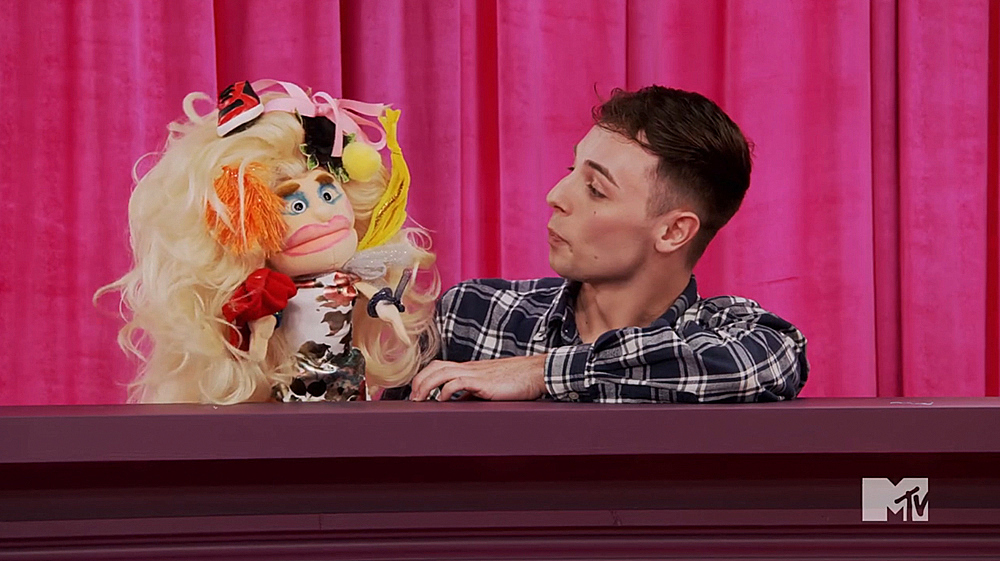
- An entitled traveler at an airport gate.
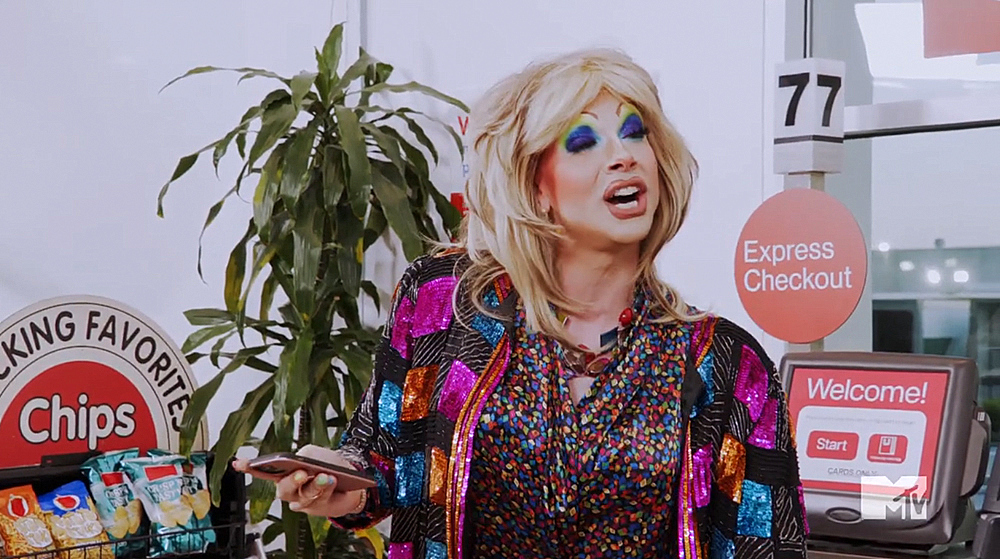
- A demanding customer in a retail environment.
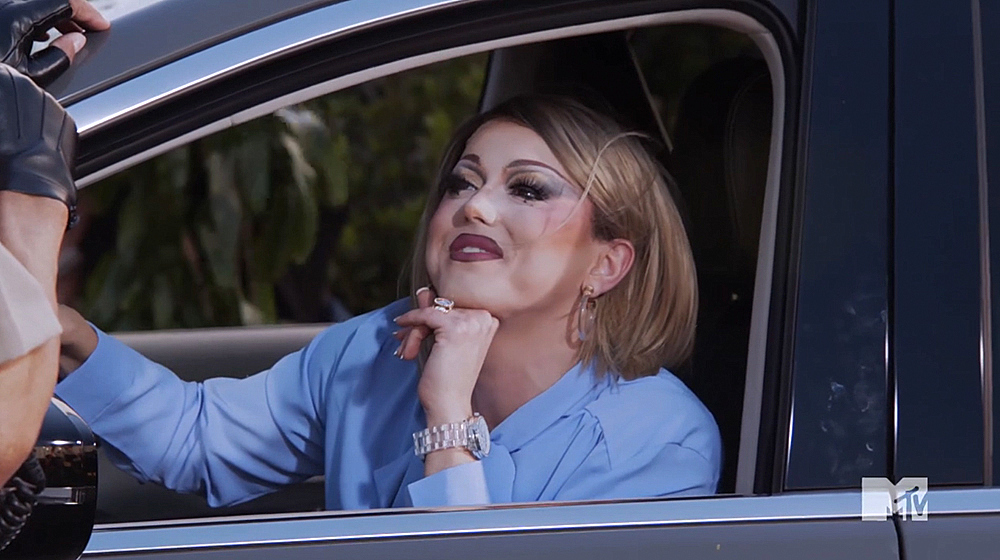
- A disruptive presence in a suburban neighborhood.
Unlike the "Snatch Game," which allows for pre-planned celebrity impersonations, this challenge required the queens to react in real-time to RuPaul, who acted as the primary foil in each scene. The lack of an audience and RuPaul’s stoic demeanor created a "sink or swim" environment that fundamentally altered the episode’s energy.
Analysis of the Main Improv Challenge
The "Karens Gone Wild" challenge served as a sociological mirror, utilizing satire to address contemporary social frictions. From a technical standpoint, the challenge was designed to test "Yes, and…"—the foundational rule of improv where a performer must accept the premise given by their partner and expand upon it.
Myki’s Dominance and Tactical Success
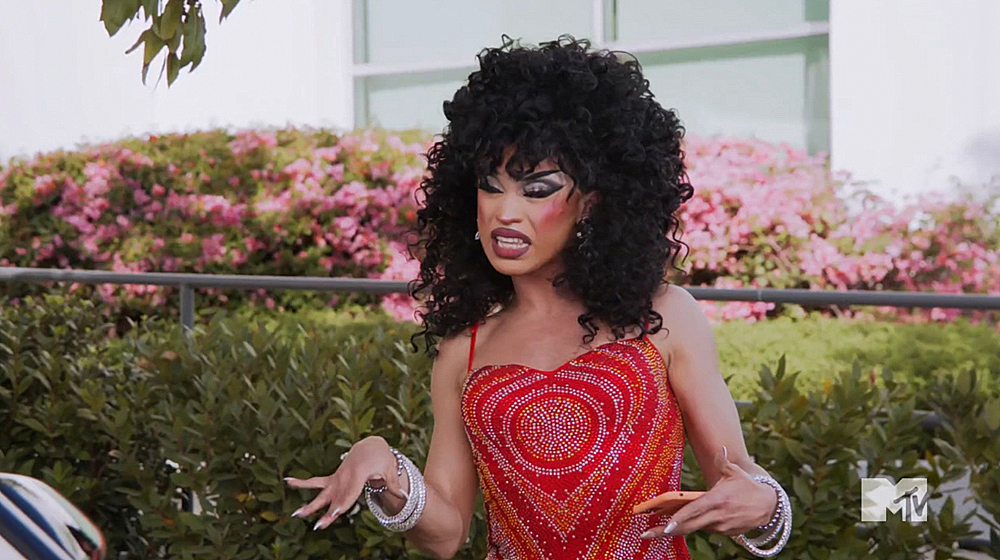
Myki emerged as the standout performer of the evening. Her success was attributed to her ability to maintain character continuity while introducing unexpected physical comedy. Specifically, her use of a car seat as a prop and her decision to feign a medical emergency (a "coma") provided the necessary escalation that improv requires. Myki’s performance demonstrated a sophisticated understanding of how to dominate a scene without over-talking her scene partner, eventually securing her the win for the episode and cementing her status as a frontrunner for the crown.
Struggles with Volatility and Character Arc
In contrast, other performers struggled to find the "button" or the concluding beat of their scenes. Nini, while possessing an inherent understanding of the "Karen" mindset, struggled with the transition from the initial confrontation to a sustained comedic narrative. Jane, a contestant noted for her polish and high-fashion sensibilities, found the lack of structure in the improv challenge to be a significant hurdle. Her portrayal of an airport-based "Karen" lacked the volatile energy typically associated with the archetype, leading to a performance that felt reserved in a situation that demanded excess.
Main Stage Runway: Fetish, Flora, and Conceptual Fashion
The runway theme for Episode 13 allowed the queens to showcase their visual versatility. At this stage of Season 18, the production expects "flawless" drag, and the remaining contestants largely met this criterion.
- Myki: Presented a "Rose and Thorn" concept. The ensemble was praised for its balance of beauty and danger, complemented by a meticulously styled wig that integrated the floral theme.
- Juicy: Utilized a Cheshire Cat motif. The look was noted for its clever integration of character lore with high-drag aesthetics.
- Darlene: Delivered a provocative "Golden Shower" themed look. While the subject matter was inherently "gross-out" humor, the execution was described as clever and high-concept, showcasing a willingness to take risks.
- Jane: Transitioned into fetishwear, a departure from her usual silhouettes. While the judges noted her impressive physique and "body" presentation, the garment itself received mixed reviews regarding its complexity compared to her peers.
- Nini: Presented a fetish-inspired Lady Liberty. The outfit was a successful blend of political satire and subculture fashion, though it was not enough to save her from the bottom two based on her improv performance.
The Lip Sync for Your Life and Final Elimination
The judging session culminated in a bottom two consisting of Nini and Jane. The decision was based primarily on their inability to connect with the improv challenge’s demands. While Jane had maintained a strong track record throughout the season, the "performance over storyline" mandate of the episode meant that her lackluster improv was the deciding factor.
The lip-sync performance was a decisive victory for Nini. Observers noted that Nini "ate the stage," a colloquialism for a dominant and high-energy performance. Jane appeared visually thrown by the circumstances, and her movements lacked the desperation and precision required to stay in the competition. Consequently, RuPaul delivered the elimination, sending Jane home in a move that many viewers considered a "shock" elimination given her previous successes.
Supporting Data: The Role of Improv in Drag Race History
Statistically, improv challenges have often served as the "great equalizer" in RuPaul’s Drag Race. Data from previous seasons suggests that contestants who excel in design often struggle in unscripted comedy, leading to the mid-to-late season elimination of "look queens."
According to industry analysis of the franchise, the transition to MTV has seen an increase in "challenge-heavy" episodes that prioritize versatility. The "Karen" challenge in Season 18 is part of a broader trend of the show incorporating "stolen from the headlines" social media tropes to maintain relevance with a younger, digitally-native audience. Furthermore, the choice to have RuPaul play a non-responsive role mirrors advanced improv training techniques used in professional comedy troupes like The Groundlings, where many of the show’s guest coaches originate.
Broader Impact and Implications for the Finale
The elimination of Jane has significant implications for the Season 18 power rankings. By removing a "polished" competitor, the path has cleared for "performance-heavy" queens like Myki and Juicy. This shift suggests that the judges are looking for a winner who possesses "theatrical grit" rather than just aesthetic perfection.
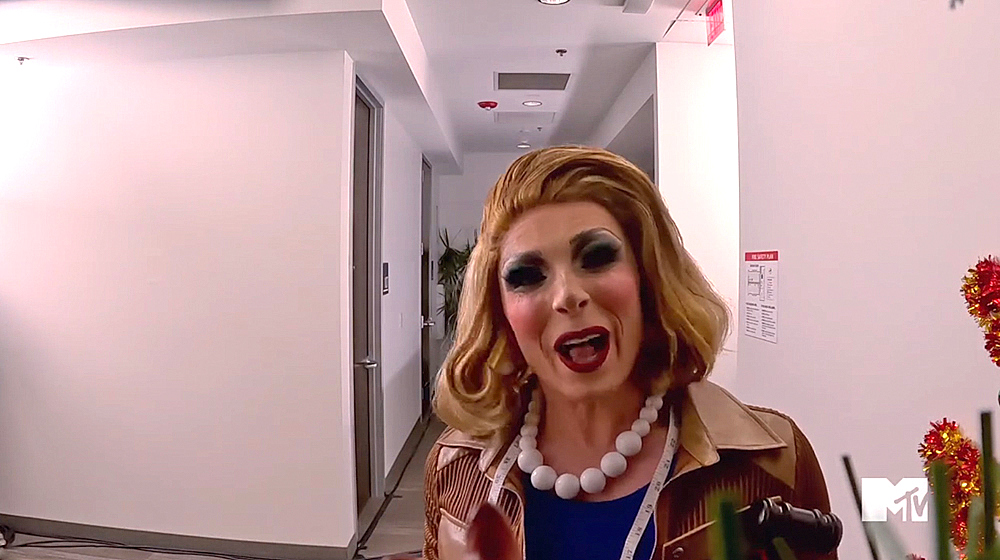
The episode also highlights the evolving role of the host. RuPaul’s decision to withhold laughter was a subversive move that stripped the queens of their usual feedback loop. This forced a level of authenticity that is often missing from heavily edited reality segments. As noted in the scholarly work Legendary Children: The First Decade of RuPaul’s Drag Race and the Last Century of Queer Life, the show serves as a bridge between historical queer performance art and modern mainstream media. Challenges like "Karens Gone Wild" continue this tradition by using drag as a vehicle for social commentary through the lens of parody.
Conclusion
RuPaul’s Drag Race Season 18 Episode 13 was a pivotal moment in the season, emphasizing that at the highest levels of the competition, there is no room for hesitation. The victory for Myki solidifies her as a formidable contender, while the departure of Jane serves as a reminder that a strong track record does not offer immunity from a poor weekly performance. As the remaining queens head toward the finale, the pressure to deliver multifaceted performances—balancing humor, fashion, and psychological resilience—will only intensify. The episode stands as a testament to the show’s enduring ability to reinvent its own tropes while remaining anchored in the difficult, often unglamorous work of professional comedy.