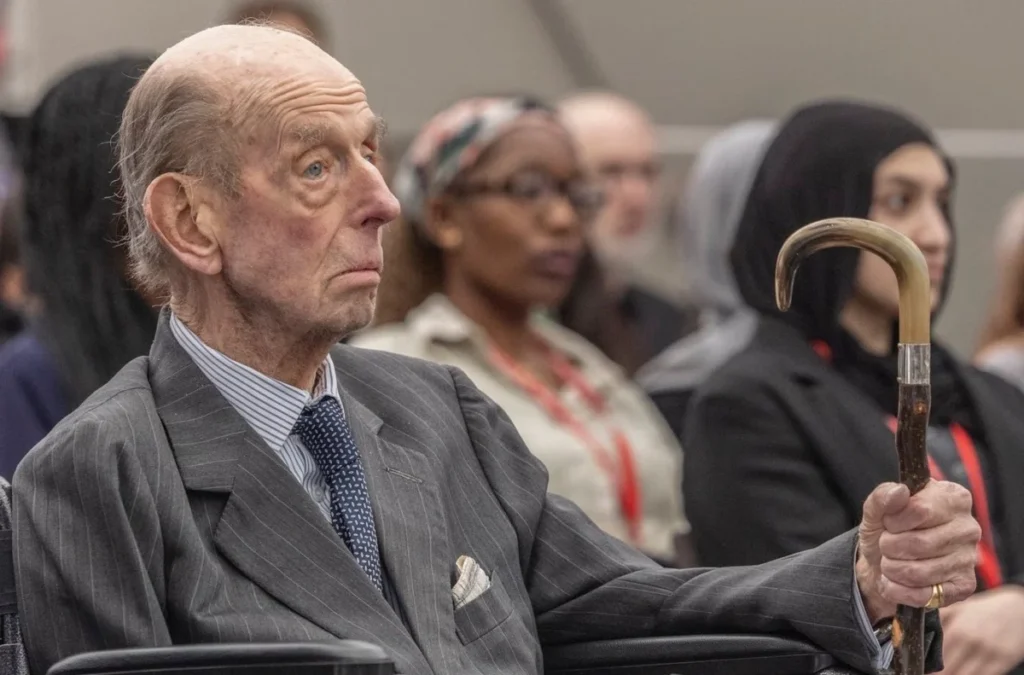

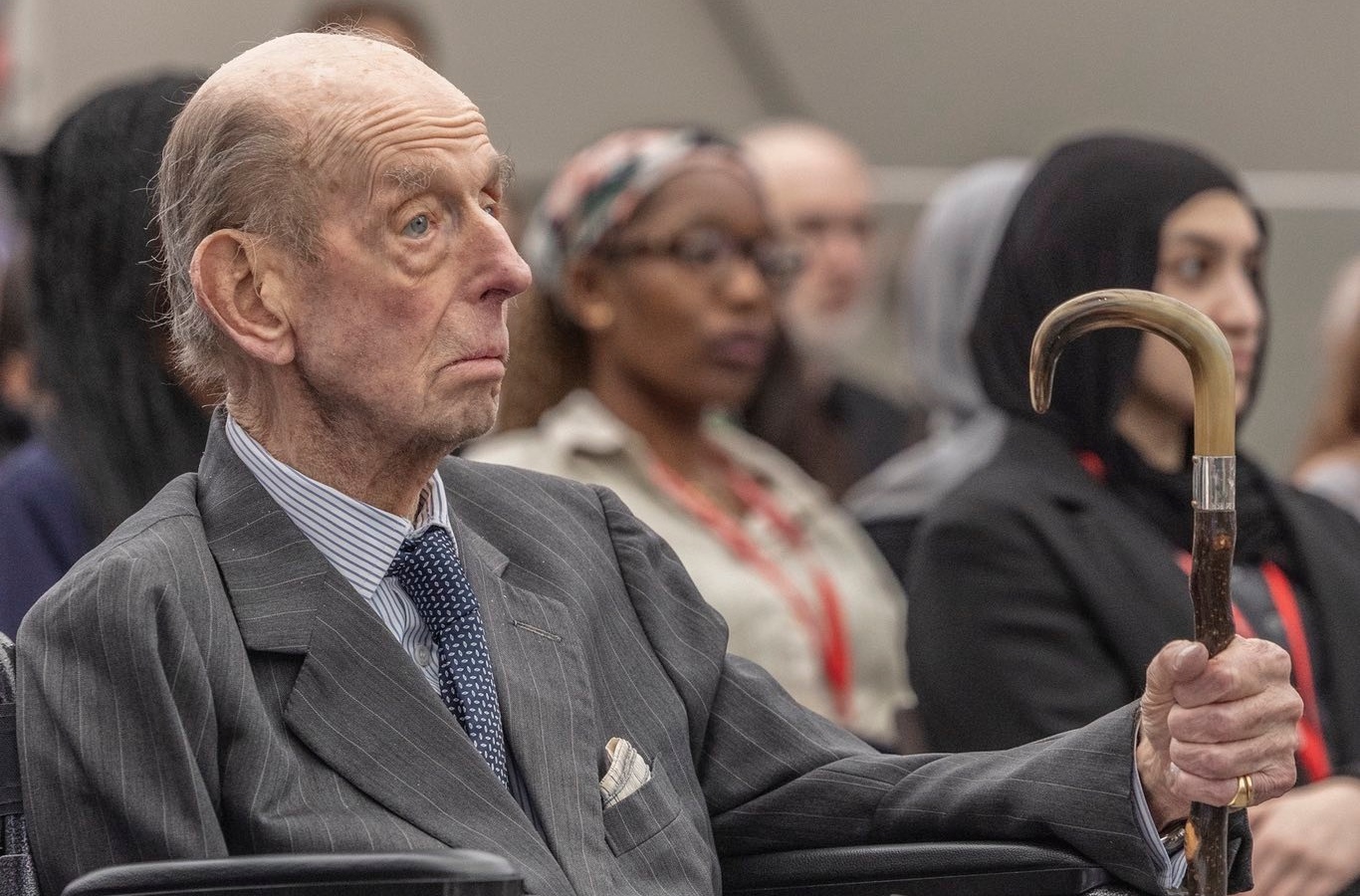
His Royal Highness The Duke of Kent has commemorated a significant milestone, celebrating thirty years of dedicated patronage to Bletchley Park, the historic site renowned for its pivotal role in World War II codebreaking. The Duke, aged 90, undertook a visit to the now-established museum and heritage attraction, marking the very institution he officially opened as its royal patron in 1996. This visit served as a deeply personal and reflective occasion, allowing the Duke to reconnect with the legacy of Bletchley Park and the individuals who shaped its extraordinary history.
A Patron’s Enduring Commitment
The Duke of Kent’s association with Bletchley Park began in 1996 when he had the honour of inaugurating the visitor attraction. His role as royal patron has underscored the enduring importance of preserving and sharing the site’s remarkable story. Over the past thirty years, Bletchley Park has transformed from a relatively unknown historical site into one of the United Kingdom’s most significant heritage attractions, dedicated to illuminating the vital contributions made by its codebreakers during the Second World War.
During his recent visit, His Royal Highness engaged directly with some of the surviving veterans of Bletchley Park. These encounters provided a unique opportunity for the Duke to hear firsthand accounts from individuals whose clandestine work is widely credited with having a profound impact on the course of World War II, shortening the conflict and saving countless lives. The bravery and intellectual prowess of these individuals, operating under the utmost secrecy, continue to inspire admiration and gratitude.
One such connection to Bletchley Park’s past lies with the late Valerie Glassborow, who served as a vital member of the codebreaking teams. Ms. Glassborow is the grandmother of Catherine, Princess of Wales. The Princess of Wales herself has visited Bletchley Park on two occasions since her marriage to Prince William, demonstrating a keen personal interest in understanding the groundbreaking work undertaken by her grandmother and her contemporaries. This familial link further highlights the enduring relevance of Bletchley Park’s narrative across generations.
Echoes of the Past, Visions of the Future
The Duke’s visit was marked by a special event organised to celebrate the 30th anniversary of Bletchley Park’s public opening. This occasion underscored the site’s successful evolution into a leading heritage destination, effectively conveying the significance of this crucial chapter in World War II history. The Duke, who was only four years old when the conflict commenced, gained insight into the museum’s forward-looking approach, particularly its integration of artificial intelligence (AI) in its storytelling and preservation efforts.
His Royal Highness toured an exhibition titled "The Age of AI," which meticulously explores the parallels and connections between contemporary AI technologies and the pioneering analytical work conducted at Bletchley Park during the war. This exhibition highlights how the foundational principles of computation and information processing, honed at Bletchley Park, laid the groundwork for many of the technological advancements we see today. The exploration of AI at Bletchley Park signifies a commitment to bridging historical understanding with future innovation, demonstrating that the spirit of intellectual inquiry that defined the site continues to thrive.
The day’s proceedings also included a traditional afternoon tea, offering a relaxed and convivial setting for the Duke to share further conversation with the veterans. These moments of personal interaction underscore the Duke’s deep respect and admiration for those who contributed so significantly to the Allied victory.
A Life of Service and Reflection
This visit to Bletchley Park represents the latest engagement for the Duke of Kent, who, even after celebrating his 90th birthday, continues to undertake public duties with unwavering dedication in support of King Charles III. In recent weeks, His Royal Highness has fulfilled a number of military engagements and hosted the German Ambassador to discuss his valuable work with the Dresden Trust, an organisation dedicated to the preservation and reconstruction of cultural heritage, particularly in Dresden, which suffered immense destruction during WWII.
Just days prior to his Bletchley Park visit, the Duke experienced another poignant moment at a performance by the Bach Choir, held in memory of his late wife, the Duchess of Kent. Her Royal Highness passed away in September at the age of 92. The funeral, held at Westminster Cathedral, was attended by members of the Royal Family, including King Charles III, Prince William, and Catherine, Princess of Wales, signifying the deep respect and affection held for the Duchess. The Duke’s continued public service, even amidst personal reflections, speaks volumes about his enduring sense of duty.
The Duke of Kent’s life has been marked by a profound commitment to supporting veterans of World War II. Having experienced the conflict from a young age, witnessing its devastating impact firsthand, and tragically losing his father, Prince George, Duke of Kent, in a wartime plane crash at the age of six, imbues his patronage of Bletchley Park with a deeply personal resonance. His continued support for initiatives that honour the sacrifices and achievements of that generation is a testament to his lifelong dedication to remembrance and recognition.
Bletchley Park: A Legacy of Innovation and Secrecy
Bletchley Park, located in Buckinghamshire, England, served as the principal centre for Britain’s codebreaking activities during World War II. From 1939 to 1945, it was home to a vast array of brilliant minds, including mathematicians, linguists, engineers, and cryptanalysts. Their collective efforts were instrumental in deciphering enemy communications, most notably the German Enigma and Lorenz ciphers.
The work undertaken at Bletchley Park was shrouded in absolute secrecy, and its true impact was not widely known until decades after the war concluded. The intelligence derived from these intercepted messages, codenamed "Ultra," provided the Allies with critical insights into enemy plans, troop movements, and strategic intentions. Historians estimate that Ultra intelligence shortened the war by at least two years, saving millions of lives.
The site itself has a rich history, having been a country estate before its wartime requisition. During the war, it was a hive of activity, with temporary huts constructed to house the growing workforce and the complex machinery required for decryption. The famous Bombe machines, developed by Alan Turing and Gordon Welchman, were crucial in breaking the Enigma codes.
The Evolution of Bletchley Park as a Heritage Site
The establishment of the Bletchley Park Trust in the early 1990s marked the beginning of its transformation into a public museum and heritage attraction. The Trust’s mission is to preserve the site, interpret its history, and educate the public about the vital contributions made by those who worked there. The official opening by the Duke of Kent in 1996 was a pivotal moment in this journey, lending significant royal endorsement to its preservation and public engagement efforts.
Over the years, Bletchley Park has undergone extensive restoration and development. Many of the original wartime huts have been preserved and refurbished, offering visitors an authentic glimpse into the working conditions of the codebreakers. Interactive exhibits, multimedia displays, and personal testimonies bring the stories of the individuals to life, making the complex history of codebreaking accessible to a wide audience.
The site now hosts educational programmes for schools, research facilities for academics, and a variety of events and exhibitions throughout the year. Its designation as a UNESCO World Heritage Site is under consideration, reflecting its global significance.
The Broader Implications of the Duke’s Patronage
The Duke of Kent’s enduring patronage of Bletchley Park signifies more than just a ceremonial role. It represents a consistent and visible commitment to acknowledging the extraordinary achievements of a generation that played a critical part in securing global freedom. His personal connection to the era, having lived through the war and experienced its profound impact on his own family, adds a layer of authenticity and depth to his support.
The Duke’s visits, particularly those involving interaction with veterans, serve to amplify their voices and ensure their stories are not forgotten. In an era where direct testimony from surviving veterans is becoming increasingly scarce, these engagements are invaluable for historical preservation and public understanding.
Furthermore, the Duke’s keen interest in the "Age of AI" exhibition highlights the enduring relevance of Bletchley Park’s legacy. By drawing parallels between wartime codebreaking and modern technological advancements, the site demonstrates how the intellectual foundations laid at Bletchley Park continue to influence innovation. This forward-looking approach ensures that Bletchley Park remains a dynamic and relevant institution, connecting past achievements with future possibilities.
The presence of the Princess of Wales’s connection to Bletchley Park through her grandmother further reinforces the intergenerational transmission of this historical narrative. It signifies that the lessons and inspirations drawn from Bletchley Park are resonating with younger generations of the Royal Family, ensuring the continued appreciation of this vital chapter of history.
In conclusion, the Duke of Kent’s thirty-year patronage of Bletchley Park is a testament to his steadfast dedication to preserving and celebrating a crucial part of British and world history. His recent visit not only marked a significant anniversary but also underscored the ongoing importance of Bletchley Park as a place of remembrance, education, and inspiration, bridging the past, present, and future of technological and intellectual endeavour.