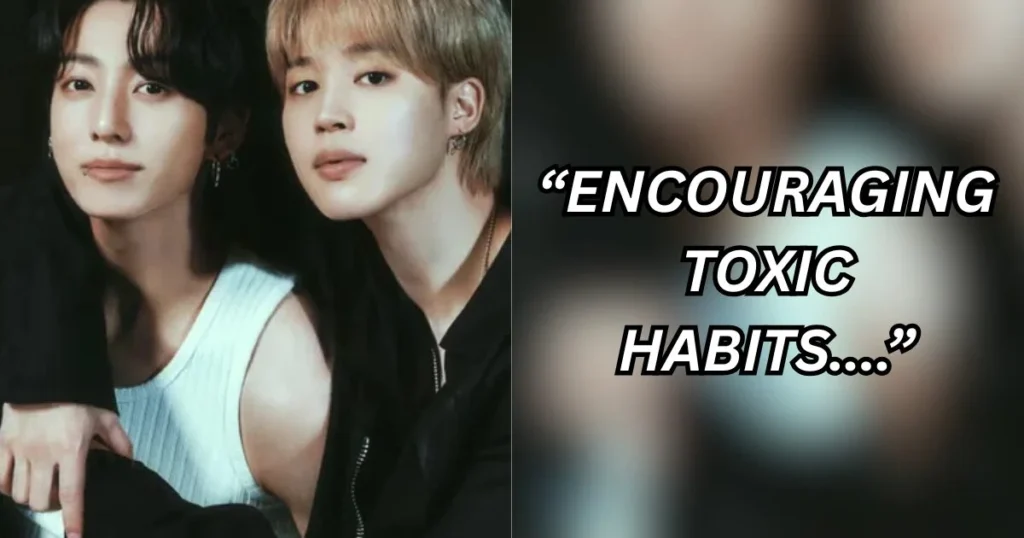

The global K-pop phenomenon BTS has found two of its most prominent members, Jimin and Jungkook, at the center of a burgeoning social media controversy following the circulation of a video clip featuring the duo discussing their weight loss methods. The footage, which stems from a promotional interview for their travel variety series, has ignited a fierce debate regarding the influence of celebrity health advice, the grueling standards of the South Korean entertainment industry, and the potential impact of such statements on a young, impressionable global audience.
The Origin and Context of the Controversy
The clip in question originates from an interview with the Japanese television program Mezamashi TV. During the segment, Jimin and Jungkook were promoting their Disney+ travel series, Are You Sure?!, which documents the duo’s various excursions and culinary experiences prior to their mandatory military enlistment. The interviewer questioned the artists about their "recent successes," to which Jimin responded by stating that their "diet was a success."
When the host pressed for specific details regarding how they achieved their weight loss goals, Jimin replied, with a degree of hesitation, "Not eating." Jungkook further elaborated on this sentiment, adding, "Don’t eat and run well," while emphasizing the importance of aerobic exercise. Jimin concluded the thought by suggesting that for those seeking to lose weight, there is "no other answer" than caloric restriction through fasting. When asked if they felt burdened by such restrictive habits, the members characterized these measures as an inevitable and necessary component of their lives as public figures and performers.
While the interview originally aired months prior, it resurfaced on the social media platform X (formerly Twitter) in late March 2026, where it quickly went viral. The resurgence of the clip has led to millions of views and thousands of comments, ranging from concern for the members’ well-being to sharp criticism of their choice of words.
A History of Body Standards in the K-Pop Industry
To understand the weight of these comments, one must look at the historical context of the South Korean music industry. K-pop is notoriously rigorous regarding the physical appearance of its "idols." Since the industry’s inception, trainees and established artists have been subjected to frequent weight checks and extreme dieting regimens to maintain a "camera-ready" physique.
Historically, various idols have spoken out about the "extreme diets" they were forced to undergo. Notable examples include the "IU Diet" (consisting of an apple, two sweet potatoes, and a protein shake per day) and the "Paper Cup Diet" popularized by groups like Nine Muses. BTS members themselves have previously been candid about their struggles with body image. Jimin, in particular, famously discussed his "10-day diet" during the "Blood Sweat & Tears" era in 2016, where he reportedly ate only one meal every ten days to achieve a sharper jawline—a revelation that deeply concerned fans at the time.
The recent comments suggest that despite BTS’s unprecedented global success and the industry’s evolving discourse on mental health, the fundamental pressure to remain thin remains a dominant force.
Analysis of Public Reaction and Social Media Discourse
The reaction on social media has been polarized, reflecting a divide between protective fans and critics concerned with public health. Several key themes have emerged from the online discourse:
The "Love Yourself" Paradox
A significant portion of the criticism centers on the perceived hypocrisy between these dieting comments and BTS’s long-standing "Love Yourself" campaign. Since 2017, BTS has partnered with UNICEF and released an album trilogy focused on self-acceptance and mental health. Critics argue that promoting "not eating" as a viable health strategy contradicts the message of self-care and empowerment that has defined the group’s brand. One viral post on X questioned, "How do you promote a ‘love yourself’ concept while encouraging toxic habits and promoting eating disorders?"
Gender Double Standards
Many netizens pointed out a perceived double standard in how male and female idols are treated regarding weight discussions. Commenters noted that if a female idol from a prominent group like IVE, LE SSERAFIM, or NewJeans had suggested "not eating" as a diet tip, the public backlash would likely be more severe, potentially leading to professional repercussions. This has sparked a broader conversation about "pretty privilege" and the gendered nature of accountability in the K-pop fandom.
Impact on Vulnerable Audiences
Perhaps the most serious concern raised by observers is the influence these statements have on "ARMY," the group’s massive and diverse fanbase, which includes a high percentage of adolescents. Health experts note that when global icons normalize starvation or extreme caloric restriction, it can inadvertently validate disordered eating behaviors among followers who view their idols as role models.

The Medical Perspective: The Risks of Starvation Diets
While the members presented "not eating" as a practical solution for weight management, nutritional experts and medical professionals consistently warn against such methods. According to clinical data, extreme caloric restriction can lead to a host of physiological and psychological issues, including:
- Metabolic Adaptation: Prolonged fasting can cause the body to enter "starvation mode," significantly slowing the basal metabolic rate and making long-term weight maintenance more difficult.
- Nutrient Deficiency: Chronic under-eating leads to deficiencies in essential vitamins and minerals, which can result in hair loss, weakened bone density, and impaired immune function.
- Muscle Atrophy: Without adequate protein and caloric intake, the body begins to break down muscle tissue for energy, which is counterproductive for performers who require high levels of physical stamina.
- Psychological Strain: Extreme dieting is closely linked to increased anxiety, irritability, and the development of clinical eating disorders.
By stating there is "no other answer" to weight loss than not eating, the members’ comments omit the importance of balanced nutrition, professional dietary supervision, and the specific physical demands of their profession that might necessitate different caloric needs than the general public.
The Broader Context of Recent BTS Weight Commentary
The controversy surrounding Jimin and Jungkook does not exist in a vacuum. It follows closely on the heels of another incident involving BTS leader RM (Kim Nam-joon). Recently, RM faced criticism for comments made regarding fellow member V (Kim Tae-hyung) and his weight gain during military service. While some fans viewed RM’s comments as lighthearted "brotherly" teasing, others felt it reinforced a culture of "fat-shaming" within the group and the industry at large.
These recurring instances of weight-related commentary have led some analysts to suggest that the members may be desensitized to the severity of these topics due to the environment in which they were raised and trained.
Chronology of the Controversy
- August 2024: Are You Sure?! premieres on Disney+, featuring Jimin and Jungkook.
- Late 2024: The duo participates in various promotional interviews for the Japanese market, including the Mezamashi TV segment.
- March 26, 2026: A subbed clip of the interview is shared by an archival account on X, gaining immediate traction.
- March 27, 2026: The clip reaches "viral" status, surpassing 2 million views and triggering trending topics related to Jimin and Jungkook.
- March 28, 2026: Mainstream K-pop news outlets begin reporting on the international backlash, contrasting the comments with the group’s philanthropic history.
Implications for the Entertainment Industry
The backlash serves as a pivotal moment for the K-pop industry, which is increasingly under the microscope of global social standards. As K-pop groups move from being local stars to international representatives of South Korean culture, their words carry weight far beyond the domestic market.
The incident highlights a growing need for "media training" that encompasses health literacy and an awareness of body positivity. While Jimin and Jungkook were likely speaking from their own lived experiences of the industry’s harsh realities, the "normalization" of these experiences is what critics find most damaging.

Industry analysts suggest that agencies like HYBE (the parent company of BTS’s label, BIGHIT MUSIC) may need to implement more robust guidelines regarding how artists discuss sensitive health topics. The goal is not to silence artists’ personal struggles, but to ensure that those struggles are not presented as "advice" or "the only way" to achieve a certain aesthetic.
Conclusion
As of the time of writing, BIGHIT MUSIC has not issued an official statement regarding the resurfaced clip. BTS members are currently serving their mandatory military duties, which typically limits their ability to respond directly to social media controversies.
The debate surrounding Jimin and Jungkook’s comments remains a complex intersection of cultural differences, industry pressures, and the responsibilities of global stardom. While the duo’s honesty provides a rare, unfiltered look at the sacrifices required to maintain an "idol" image, it also serves as a stark reminder of the physical and mental toll that the pursuit of perfection can take—and the dangerous messages that can be sent when that pursuit is framed as a simple "success."