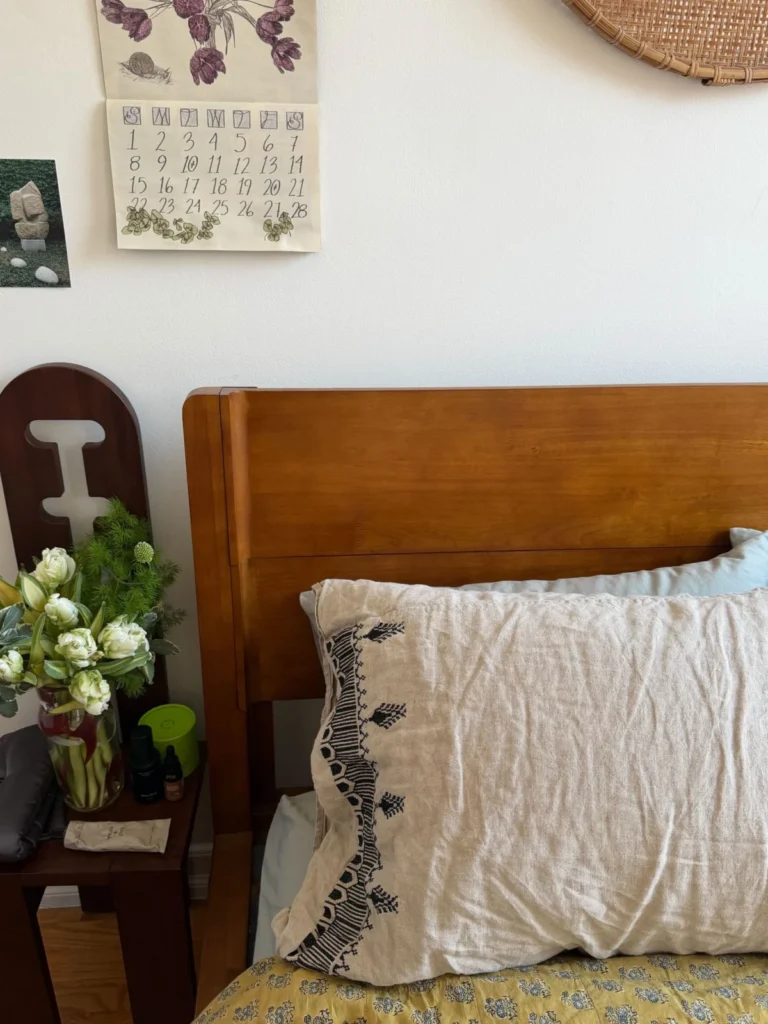

The home furnishings industry has undergone a seismic shift over the last decade, transitioning from traditional brick-and-mortar showrooms to a direct-to-consumer (DTC) model that prioritizes logistics, aesthetic minimalism, and ease of assembly. At the forefront of this movement is Thuma, a San Francisco-based furniture company that has achieved significant market penetration through a combination of aggressive social media marketing and a product design centered on ancient architectural techniques. The company’s flagship product, known simply as "The Bed," has become a staple of modern interior design, particularly among urban professionals and renters who value mobility and durability. By utilizing Japanese joinery—a method of wood construction that eliminates the need for metal hardware—Thuma has addressed a primary pain point in the furniture market: the complexity and eventual structural failure of self-assembled furniture.
Product Overview and Specifications
The Thuma Classic Bed is positioned as a premium modular solution within the mid-range furniture market. The model recently subjected to rigorous field testing included the integrated headboard and underbed storage drawers, reflecting a growing consumer demand for multifunctional furniture in high-density urban living environments. The dimensions for the Queen-sized unit stand at 65 inches in width, 85 inches in depth, and 39 inches in height when equipped with the headboard. A critical functional feature is the 9-inch underbed clearance, which provides approximately 6.2 cubic feet of storage space per drawer, depending on the configuration.
Constructed from repurposed wood, the frame utilizes "upcycled" materials, a term the company uses to describe high-quality wood scraps diverted from landfills and processed into structural components. The aesthetic is strictly minimalist, characterized by clean lines and the absence of visible screws, bolts, or plastic connectors. This design philosophy aligns with the "soft minimalism" trend currently dominating the luxury furniture sector, which seeks to balance industrial efficiency with natural textures and warmth.

The Evolution of the Direct-to-Consumer Furniture Market
To understand the success of the Thuma Classic Bed, one must examine the broader economic context of the furniture industry. Following the success of "bed-in-a-box" mattress companies like Casper and Purple, the market for bed frames saw a similar disruption. Traditional furniture retail often involves long lead times, expensive "white-glove" delivery fees, and products that are difficult to move once assembled. Thuma entered the market with a value proposition based on three pillars: sustainability, simplicity, and longevity.
Market data suggests that the global RTA (Ready-to-Assemble) furniture market is projected to reach a valuation of nearly $18 billion by 2027, growing at a compound annual growth rate (CAGR) of approximately 5%. This growth is driven by a demographic shift toward smaller living spaces and a consumer preference for "buy-it-for-life" products over the "fast furniture" popularized by retailers like IKEA. Thuma’s use of Japanese joinery, or shikuchi, serves as both a functional advantage and a powerful marketing tool in this competitive landscape. By removing the dependency on Allen wrenches and Phillips-head screws, the company effectively eliminated the risk of stripped sockets and loose joints—the most common causes of "bed creak" in low-cost frames.
Logistics and Assembly Chronology
The consumer experience begins with a multi-stage logistics process designed for residential delivery. Unlike traditional furniture which may arrive on a single pallet requiring professional handling, the Thuma system is distributed across several manageable, albeit heavy, boxes. For a full setup including the frame, headboard, and storage drawers, the delivery typically consists of nine individual packages.
Phase 1: Delivery and Unboxing
Shipping is generally integrated into the purchase price, with units often arriving within three to five business days of ordering. The packaging is notably robust, utilizing high-density cardboard and minimal plastic, though the sheer volume of material requires significant recycling efforts on the part of the consumer. The weight of the individual boxes—some exceeding 50 pounds—presents a logistical challenge for single-person households, particularly those in walk-up apartments.

Phase 2: The Assembly Process
The assembly of the Thuma Classic Bed is unique in the RTA sector. The process involves interlocking the rails and legs using tension and gravity. Because the joints are precision-cut to fit together, the frame becomes more stable as weight is applied.
- 0–15 Minutes: Layout of the four main rails and the four corner legs.
- 15–30 Minutes: Execution of the Japanese joinery. This stage requires a "balancing act" where the rails must be held at specific angles to slide into the leg grooves. While feasible for one person, data from user trials suggests that a two-person team can reduce assembly time by 50% and significantly reduce the physical strain of maneuvering the solid wood components.
- 30–45 Minutes: Installation of the slat system. Thuma uses a roll-out slat design covered in felt made from recycled plastic bottles. This felt serves as a noise-dampening buffer between the slats and the frame.
- Final Stage: Placement of the "Pillowboard" or wooden headboard and the insertion of storage drawers. The drawers in this model do not utilize metal tracks; instead, they operate on a friction-based slide system directly on the floor, allowing for maximum internal volume.
Material Analysis and Sustainability Credentials
In an era of heightened environmental awareness, Thuma has leaned heavily into its sustainability profile. The wood used is typically rubberwood, a hardwood harvested from rubber trees that have reached the end of their latex-producing lifespan. This makes the material more sustainable than virgin hardwoods like oak or maple.
The company also maintains several third-party certifications that are increasingly important to health-conscious consumers. The bed frames are Greenguard Gold certified, meaning they meet strict chemical emissions standards, contributing to cleaner indoor air. Furthermore, the fabrics used in the headboards are often OEKO-TEX certified, ensuring they are free from harmful substances. This focus on non-toxic materials serves as a significant differentiator from mass-market furniture that may utilize medium-density fiberboard (MDF) or particleboard, which often contain formaldehyde-based glues.
Comparative Performance and Durability
Long-term durability is the primary metric by which high-end RTA furniture is judged. Field reports indicate that the Thuma frame maintains its structural integrity through multiple cycles of disassembly and reassembly—a common requirement for the modern "renter class." In a three-year longitudinal observation involving three separate residential moves, the joinery showed no signs of loosening or "splintering" at the connection points.

The frame’s stability is rated exceptionally high, with users frequently citing the absence of noise as a primary benefit. In traditional frames, metal-on-metal or metal-on-wood friction leads to audible squeaking over time as fasteners lose their torque. By utilizing a wood-on-wood interlocking system cushioned by felt, Thuma has engineered a virtually silent product. The storage drawers, while functional, present a minor aesthetic compromise; because they are not attached to a fixed track, they may not always sit perfectly flush with the frame, leaving small gaps that contrast with the otherwise precise geometry of the bed.
Broader Impact and Industry Implications
The success of the Thuma Classic Bed has broader implications for the furniture industry and consumer behavior. It represents a move toward "investment pieces" for a generation previously defined by disposable consumption. By pricing the unit at approximately $1,395 for a queen set with storage, Thuma occupies the "attainable luxury" segment, bridging the gap between $300 IKEA frames and $5,000 bespoke hardwood furniture.
Competitors have taken notice, with brands like Floyd and Burrow launching their own versions of modular, tool-free bed frames. However, Thuma’s specific focus on the "Classic" look—which mimics the appearance of high-end joinery found in mid-century modern antiques—has allowed it to maintain a dominant share of the social media-driven market.
Furthermore, the company’s expansion into a full bedroom suite—including nightstands, dressers, and side tables that utilize the same wood finishes and design language—suggests a strategy of ecosystem lock-in. Once a consumer invests in the bed frame, the friction of purchasing matching pieces is significantly reduced, a tactic mirrored by technology companies but relatively new to the fragmented furniture market.

Conclusion: A Synthesis of Form and Function
The Thuma Classic Bed stands as a testament to the power of thoughtful engineering in the consumer goods space. By reviving traditional Japanese woodworking techniques and adapting them for a global, digital-first audience, the company has created a product that solves the logistical and mechanical failures of its predecessors. While the initial investment is higher than mass-market alternatives and the physical weight of the solid wood components requires effort to manage, the long-term value proposition is clear.
As the furniture industry continues to evolve, the emphasis on sustainability, tool-free assembly, and structural longevity is likely to become the new standard. Thuma has not only created a bed frame that fulfills the aesthetic desires of a minimalist generation but has also provided a blueprint for how durable goods can be designed for a more mobile and environmentally conscious world. For the modern consumer, the "best friend" in the bedroom is no longer just a mattress, but the silent, sturdy, and sustainable foundation that supports it.