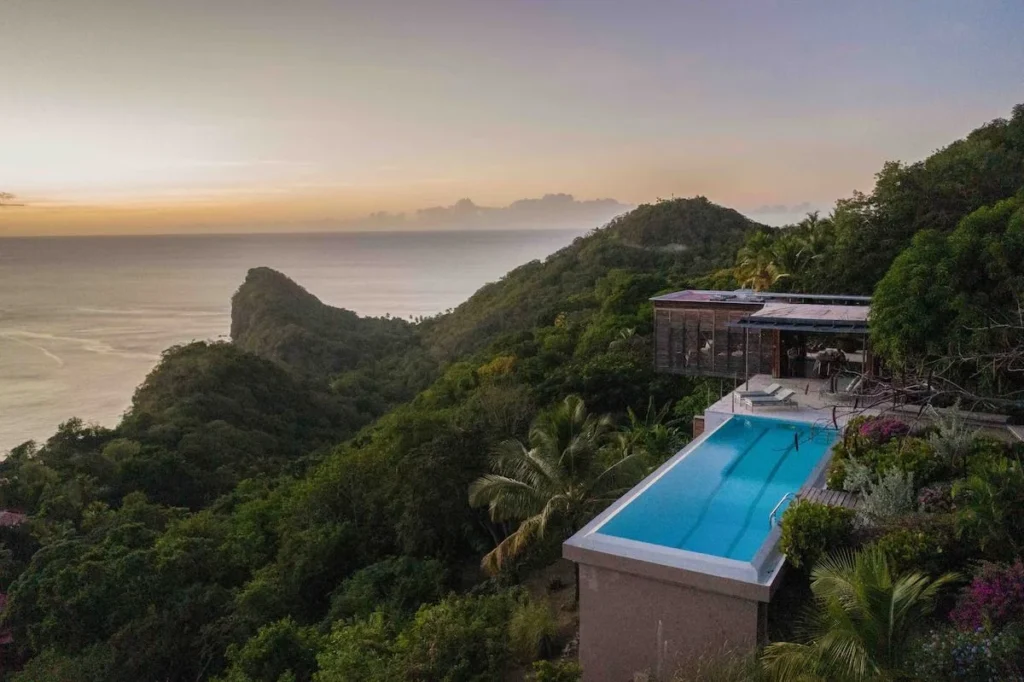

The Caribbean archipelago, a sprawling expanse of more than 7,000 islands, cays, and islets, defies any singular definition. Geographically and culturally, the region presents a starkly fragmented identity. While the common denominator remains the varying shades of the Atlantic and Caribbean waters—ranging from deep sapphire to electric teal—the internal characteristics of the islands diverge sharply. Some territories, such as St. Lucia and Dominica, are defined by volcanic topography and dense rainforests that terminate abruptly at the shoreline. In contrast, islands like Aruba and parts of the Cayman Islands exhibit semi-arid, desert-like conditions characterized by cacti and the iconic, wind-sculpted divi-divi trees.
This diversity extends into the linguistic and culinary spheres, where the legacies of colonial influence and indigenous heritage create distinct atmospheres. In St. Barts, the presence of French administration is palpable through the language and the aroma of traditional boulangeries. Conversely, the Commonwealth islands and the Hispanic Caribbean offer entirely different sensory experiences, from the rhythmic pulse of Trinidadian mountain retreats to the high-altitude serenity of the Dominican Republic’s interior highlands.
As the global travel industry shifts away from standardized luxury towards hyper-local, "authentic" experiences, the Caribbean’s short-term rental market has undergone a significant transformation. Travelers are increasingly bypassing traditional all-inclusive resorts in favor of locally-owned, design-forward accommodations. These properties, often curated through platforms like Airbnb, allow for a more intimate engagement with the region’s kaleidoscopic variety. From mid-century modern sanctuaries in San Juan to eco-conscious villas in the shadow of St. Lucia’s Pitons, the following analysis examines the most significant and architecturally noteworthy stays in the Caribbean today.
The Rise of Design-Forward Tourism in the Caribbean
The Caribbean tourism sector has historically been dominated by the "enclave" model—large-scale resorts that offer a buffered experience of the host country. However, data from the Caribbean Tourism Organization (CTO) suggests a growing trend toward "experiential" travel. In 2023, the region saw a 14.3% increase in stay-over arrivals compared to the previous year, with a notable segment of these travelers seeking private villas and unique architectural stays. This shift is driven by a desire for privacy, remote-work capabilities, and a deeper connection to local design aesthetics.
Urban Sophistication and Retro Revival in Puerto Rico
San Juan, Puerto Rico, serves as a primary hub for this architectural evolution. The property NOA by DW exemplifies the "Tropical Modernism" movement. This four-bedroom sanctuary integrates vintage terrazzo floors—a staple of mid-century Caribbean construction prized for its cooling properties—with contemporary geometric breeze blocks. These blocks, or celosías, are not merely decorative; they are functional elements designed to facilitate cross-ventilation while providing privacy and shade.
The interior design of NOA by DW leans heavily into the playful "Palm Springs" aesthetic, utilizing foliage-themed wallpaper and circular architectural motifs. With rates starting at approximately $801 per night, the property positions itself at the intersection of luxury and historical preservation.
In the same urban landscape, the Japandi Loft in San Juan offers a counter-narrative. Combining Japanese minimalism with Scandinavian functionality, the loft uses light grey stucco and raw wood accents to create a meditative environment. This "Japandi" trend has gained significant traction in tropical urban centers, where the clutter-free philosophy provides a psychological respite from the humid, bustling environment.
Coastal Minimalism in the Cayman Islands
The Cayman Islands, particularly the Seven Mile Beach corridor, represent some of the most premium real estate in the region. Here, the design trend has shifted toward "Coastal Minimalism." The Boho-Style Beach Villa and the Luxury Cottage on Grand Cayman both utilize a palette of soft neutrals, natural textures, and stark white walls to maximize the sense of space and light.
Architecturally, these properties focus on the "indoor-outdoor" flow. The Luxury Cottage, priced from $400 per night, incorporates a garden shower and a pool framed by leafy palms, emphasizing the residential quietude that many high-net-worth travelers now prefer over the density of nearby luxury hotels.
The Highland Escape: Jarabacoa and Lake Dos Bocas
The Dominican Republic is frequently associated with the white sands of Punta Cana, but a growing demographic of travelers is heading to the "Dominican Alps." Jarabacoa, a mountain town located in the Cordillera Central, offers a temperate climate and sweeping valley views. The Beautiful Guest House in Jarabacoa features floor-to-ceiling glass walls, allowing the landscape to serve as the primary decor. This move toward mountain-top glass architecture represents a departure from traditional Caribbean coastal design, focusing instead on the dramatic elevation and avian biodiversity of the interior.
Similarly, Villa Limón on Puerto Rico’s Lake Dos Bocas utilizes its lakefront position to offer a "dream-like" immersion in nature. The property is part of a modern duplex at Finca Regina, where the inclusion of freestanding soaking tubs and private boat taxis highlights a shift toward "eco-luxury."
Chronology of Caribbean Hospitality Evolution
The trajectory of the Caribbean’s accommodation sector can be divided into four distinct eras:
- The Colonial Era (Pre-1950s): Accommodations were largely limited to small guest houses and grand colonial hotels catering to government officials and the elite.
- The Resort Boom (1950s–1990s): The advent of commercial aviation led to the rise of massive beachfront hotels and the "all-inclusive" concept, popularized by brands like Sandals and Club Med.
- The Boutique Revolution (2000s–2015): A move toward smaller, high-design hotels (e.g., those designed by Kelly Wearstler or Christian Liagre) began to prioritize aesthetics and intimacy.
- The Decentralized Era (2016–Present): The proliferation of short-term rental platforms has allowed private homeowners to compete with luxury brands, leading to the "Airbnb-fication" of high-end Caribbean real estate.
Architectural Analysis: Integration with the Natural Environment
A key theme among the most successful Caribbean Airbnbs is the integration of the structure with the surrounding ecosystem. This is perhaps most evident in the Eco Villa in St. Lucia. Suspended 500 feet above the sea, the villa is designed with "open-air" living in mind. The absence of traditional windows (save for a single porthole) and the use of mosquito-netted four-poster beds and teak louvered doors allow the Pitons—a UNESCO World Heritage site—to be a constant presence.
In the Bahamas, the overwater bungalow concept, traditionally associated with the Maldives or French Polynesia, has been adapted for the shallow, "gin-clear" waters of the Bahamian cays. These structures require specialized engineering to withstand the region’s seasonal hurricane activity while maintaining a light environmental footprint.
Regional Case Studies in Luxury and Utility
- Willemstad, Curaçao: The Private Oceanfront Villa utilizes stepping stones over water and high wooden beam ceilings to create a sense of grandeur. The inclusion of a private saltwater pool reflects a growing preference for sustainable luxury that avoids the heavy chemical use of traditional chlorine pools.
- Trinidad and Tobago: The Tropical Hillside Studio at the foot of El Tucuche caters to the "eco-tourist" and birdwatcher demographic. Its raised sleeping platform and projector-based entertainment system demonstrate how a smaller, more affordable space (from $78 per night) can still offer a high-design experience.
- Barbados: Villa Blanca represents the "Family Villa" model, emphasizing communal spaces like outdoor bars, BBQ areas, and large courtyards. This property caters to the "multi-generational travel" trend, which has seen a 20% uptick in the Caribbean market since 2021.
- St. Martin: Villa Coco, located near the Îlet Pinel nature reserve, utilizes Smeg appliances and minimalist decor to appeal to the "aesthetic-driven" traveler who values brand-name luxury in a private setting.
Economic and Social Implications
The proliferation of high-end, locally-owned rentals has significant economic implications for Caribbean communities. Unlike large foreign-owned resorts, where a significant portion of the revenue (often cited as up to 80% in "leakage") leaves the country, locally-owned Airbnbs tend to keep more capital within the local economy. Property owners often employ local maintenance staff, private chefs, and tour guides, creating a decentralized economic benefit.
However, this trend also presents challenges. In islands with limited housing stock, the conversion of residential properties into short-term rentals can lead to increased property values and "gentrification," making it difficult for locals to afford housing in their own communities. Governments in territories like Aruba and the US Virgin Islands have begun implementing stricter regulations and "occupancy taxes" to mitigate these effects.
The Future of Caribbean Stays
As we look toward the latter half of the decade, the Caribbean’s short-term rental market is expected to become even more specialized. We are likely to see an increase in "regenerative tourism" properties—accommodations that not only minimize their environmental impact but actively contribute to the restoration of local reefs or forests.
The demand for "architectural authenticity" will continue to drive the market. Travelers are no longer satisfied with a generic room; they seek spaces that tell a story—whether that is the story of Puerto Rican mid-century cool, Dominican highland serenity, or Bahamian maritime life. The properties highlighted here represent the vanguard of this movement, proving that in the Caribbean, the most memorable stays are those that embrace the region’s splintered, kaleidoscopic, and endlessly varied identity.