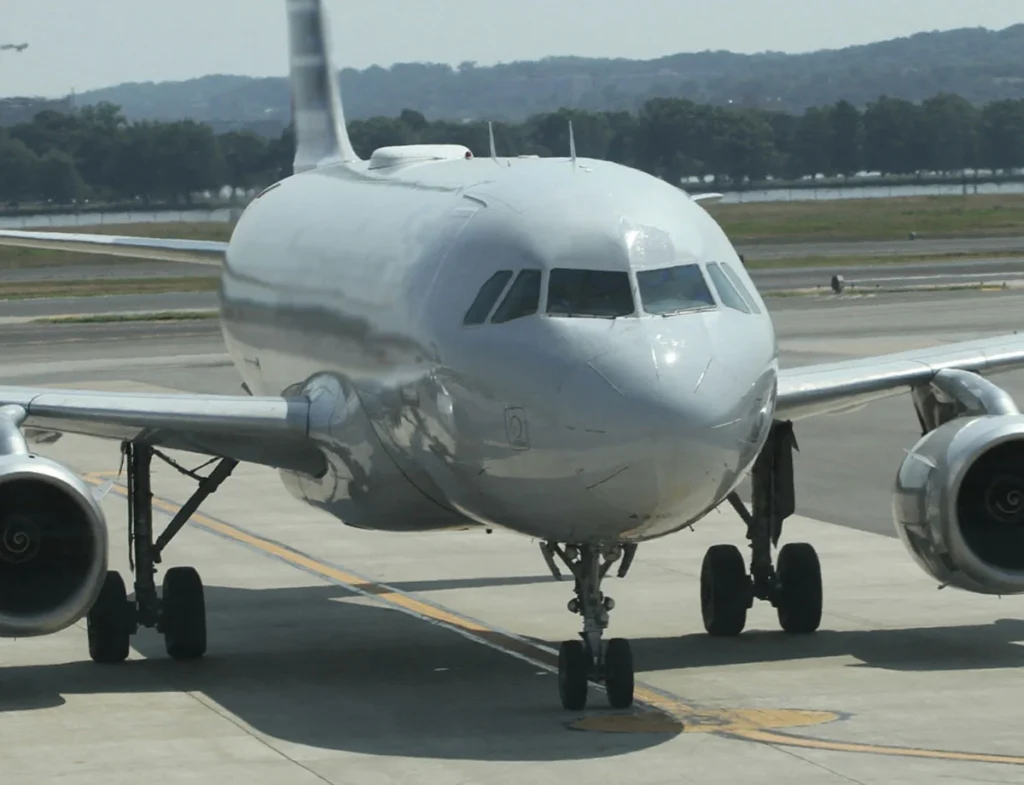

A catastrophic incident unfolded late Sunday night, March 23, 2026, at New York’s LaGuardia Airport, resulting in the deaths of two pilots and injuries to dozens more when an Air Canada Express flight collided with a Port Authority Aircraft Rescue and Firefighting (ARFF) vehicle on an active runway. The collision, which occurred around 11:30 PM EST, sent shockwaves through the aviation community and led to the immediate closure of one of the nation’s busiest airports. The National Transportation Safety Board (NTSB) has launched a full-scale investigation into the tragic event.
Details of the Catastrophe
The ill-fated aircraft, identified as Air Canada Express Flight AC8646, operating under the callsign "Jazz 646," was reportedly either landing or engaged in a critical phase of runway operations when it made contact with the Port Authority fire truck, designated "Truck 1." The impact was severe, claiming the lives of both pilots aboard the regional jet. Their identities have not yet been publicly released, pending notification of next of kin.
According to Kathryn Garcia, Executive Director of the Port Authority of New York and New Jersey, there were 72 passengers and 4 crew members on board the Air Canada Express flight. Of these, 41 individuals sustained injuries and were transported to various area hospitals. While 32 of the injured have since been released, the remaining nine are receiving treatment for serious injuries, highlighting the traumatic nature of the crash. Miraculously, the two personnel inside the Port Authority fire truck, who were also injured, are listed in stable condition, a testament to the robust design of ARFF vehicles.
The incident prompted a massive emergency response, involving multiple agencies and a swift deployment of medical personnel. Witnesses and first responders described a chaotic scene, with emergency lights illuminating the runway as rescue efforts commenced under the cover of night. Visual evidence, including video footage captured from a distance and shared widely on social media, depicted the immediate aftermath, showing debris and emergency vehicles swarming the crash site.
The Preceding Events: A Chain of Critical Decisions
Preliminary reports indicate that the Port Authority fire truck was actively responding to an unrelated emergency on another aircraft, a United Airlines flight. This United flight had reported a "bad odor" on board, causing several flight attendants in the rear of the cabin to "feel ill," necessitating its return to a gate for inspection and passenger safety. It was while "Truck 1" was en route to this separate incident that it requested and initially received clearance from Air Traffic Control (ATC) to cross an active runway.
However, moments after granting permission, the ATC controller’s tone shifted dramatically, issuing increasingly urgent commands to the fire truck: "Truck one, stop, stop, stop!" These frantic warnings were repeated, but tragically, they came too late. Shortly thereafter, the controller confirmed the worst: "Jazz 646, I see you collided with a vehicle."
The raw audio from the control tower, released by LiveATC, paints a harrowing picture of the unfolding disaster. In the aftermath of the collision, the profound distress of the air traffic controllers is palpable. One controller, clearly overwhelmed by the sequence of events, can be heard saying, "We were dealing with an emergency earlier. I messed up." This heartbreaking admission underscores the immense pressure and split-second decision-making inherent in air traffic control operations. A colleague’s immediate reassurance, "Nah, man, you did the best you could," speaks to the tight-knit nature of the ATC community and the shared understanding of the extraordinary demands of their role.
LaGuardia Airport Shut Down and Operational Impact
In the immediate wake of the collision, LaGuardia Airport was completely shut down to all air traffic, with no planes permitted to land or depart. The closure was initially announced to last until at least 2:00 PM EST on Monday, March 24, 2026, to allow for emergency response, initial investigation, and clearance of the runway. This extended closure inevitably led to significant disruptions across the Northeast air travel network, with numerous flights canceled or diverted to other regional airports such as John F. Kennedy International (JFK) and Newark Liberty International (EWR). Thousands of passengers faced delays, missed connections, and the emotional distress of an unexpected halt to their travel plans. The Port Authority worked diligently to facilitate reunions between arriving passengers and their families at designated areas within the terminal.
The Role of Air Traffic Control and Runway Safety
This incident casts a critical spotlight on the intricate and highly regulated world of air traffic control and runway safety. Air Traffic Controllers (ATCs) are the guardians of the skies, responsible for ensuring the safe and efficient movement of aircraft both in the air and on the ground. Their job requires unwavering vigilance, precise communication, and the ability to make rapid, accurate decisions under immense pressure.
Runway incursions, defined as any occurrence at an aerodrome involving the incorrect presence of an aircraft, vehicle, or person on the protected area of a surface designated for the landing and takeoff of aircraft, are among the most serious safety concerns in aviation. While relatively rare, actual collisions are catastrophic. The Federal Aviation Administration (FAA) and international bodies like the International Civil Aviation Organization (ICAO) have implemented numerous protocols and technologies to mitigate this risk. These include:
- Standardized Phraseology: Clear, concise, and unambiguous language used by pilots and controllers to prevent misunderstandings.
- Hold Short Lines: Clearly marked lines on taxiways indicating where aircraft and vehicles must stop unless cleared to proceed onto a runway.
- Surface Movement Radar (ASDE-X): Advanced radar systems that provide controllers with a detailed, real-time visual of all aircraft and vehicles on the airport surface, even in low visibility.
- Controller Training: Extensive training programs that include simulations of emergency scenarios and runway incursion prevention.
- Vehicle Driver Training: Specialized training for all airport ground vehicle operators, emphasizing awareness of runway procedures and communication with ATC.
The fact that an ARFF vehicle, an essential component of airport safety, was involved in such an incident underscores the complex interplay of human factors, communication protocols, and operational pressures that can lead to a breakdown in safety measures.
The Investigation: NTSB Takes the Lead
The National Transportation Safety Board (NTSB), the independent U.S. government agency responsible for civil aviation accident investigation, immediately dispatched a "Go-Team" to LaGuardia. This team comprises experts in various fields, including operations, air traffic control, human factors, aircraft systems, and survival factors. Their mission is to meticulously gather evidence, reconstruct the sequence of events, and determine the probable cause of the collision.
The NTSB investigation will be comprehensive, examining several critical aspects:
- Flight Recorders: Data from the flight data recorder (FDR) and cockpit voice recorder (CVR) of Air Canada Express Flight AC8646 will be crucial in understanding the aircraft’s performance and the pilots’ actions in the moments leading up to the crash.
- Air Traffic Control Records: All ATC communications, radar data, and controller logs will be analyzed to piece together the exact instructions given to both the aircraft and the fire truck.
- Vehicle Operations: The operational status, maintenance records, and driver training of the Port Authority fire truck will be reviewed.
- Airport Procedures: A thorough examination of LaGuardia’s ground movement procedures, runway signage, lighting, and communication protocols will be conducted.
- Human Factors: Investigators will assess the fatigue levels, training, and decision-making processes of the air traffic controllers, pilots, and fire truck operators.
- Environmental Factors: Weather conditions, visibility, and any other relevant environmental factors at the time of the incident will be considered.
NTSB investigations are known for their rigor and can take many months, sometimes even years, to complete. The ultimate goal is not to assign blame but to identify systemic safety deficiencies and issue recommendations to prevent similar tragedies in the future. Both Air Canada Express (Jazz Aviation) and the Port Authority of New York and New Jersey have pledged their full cooperation with the NTSB’s inquiry. The FAA will also likely conduct its own review of ATC procedures and compliance.
Broader Implications for Aviation Safety
This devastating incident at LaGuardia will undoubtedly spark renewed scrutiny of runway safety protocols across the global aviation industry. While air travel remains statistically one of the safest modes of transportation, high-profile accidents like this serve as a stark reminder of the potential for catastrophic failure when multiple layers of safety are breached.
The implications extend beyond LaGuardia:
- Enhanced Training: There may be calls for more intensive and recurrent training for air traffic controllers, particularly concerning managing complex ground movements and responding to simultaneous emergencies.
- Technological Solutions: A re-evaluation of existing runway safety technologies and the potential for new innovations to provide additional layers of protection, such as enhanced collision avoidance systems for ground vehicles.
- Communication Protocols: A review of communication protocols between ATC and airport ground vehicles, especially during emergency responses, to ensure absolute clarity and prevent misinterpretations.
- Human Factors Research: Further research into human performance under stress and fatigue in high-stakes environments like air traffic control.
The psychological impact on the air traffic controllers involved, the emergency responders, and the entire aviation community will also be significant. Incidents of this magnitude leave lasting scars, and support systems for those directly affected will be crucial.
As the NTSB continues its meticulous work, the focus remains on understanding precisely how this tragic collision occurred. The lessons learned from this incident will be vital in reinforcing the safety measures that underpin air travel, aiming to ensure that such a devastating loss of life and injury never happens again on an airport runway. Our hearts go out to the families of the pilots who lost their lives, and we wish a full and swift recovery to all those injured in this terrible accident.