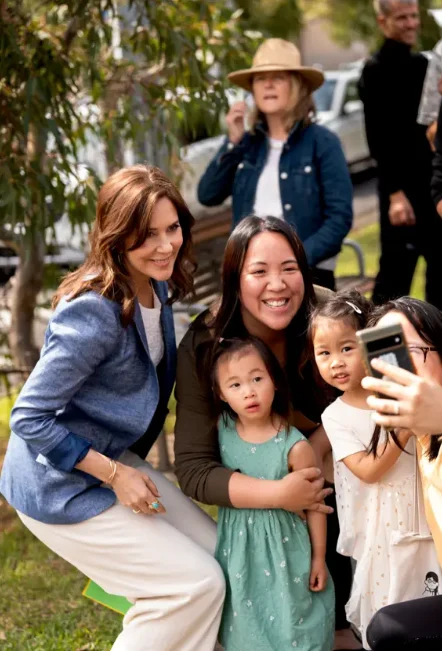

King Frederik of Denmark has candidly shared a humorous anecdote from his recent State Visit to Australia, reflecting on a moment where his wife, Queen Mary, inadvertently overshadowed him in the eyes of a young admirer. The Danish monarch’s lighthearted admission came during a thank-you event held at the Royal Botanical Garden in Melbourne, marking the conclusion of what has been described as a highly successful and warmly received six-day tour of the continent. This visit holds particular significance as it is Queen Mary’s first State Visit to her native Australia since her husband ascended to the Danish throne in January 2024.
A Royal Welcome: Queen Mary’s Enduring Popularity
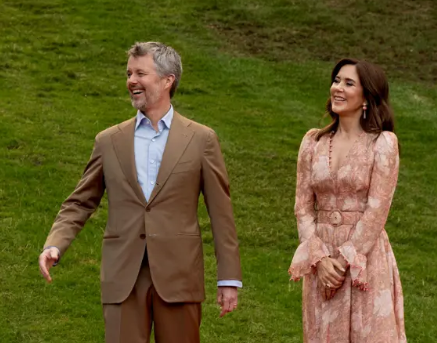
The State Visit, which spanned from the iconic Uluru to the bustling cities of Sydney, Canberra, and Melbourne, underscored Queen Mary’s profound and enduring connection with her homeland. King Frederik, in his address, seized the opportunity to acknowledge the immense popularity of his Australian-born wife, a sentiment that resonated throughout the royal couple’s engagements. The humorous "second best" remark, delivered with self-deprecating charm, elicited laughter and applause from the assembled guests, perfectly encapsulating the underlying theme of Queen Mary’s deep roots and the public’s affection for her.
"During our stay in Sydney," King Frederik recounted, "a little boy spotted us. He turned to his mother and asked, ‘Who is that boy next to Mary?’ In the eyes of Australians, I suspect I shall always be the one standing next to Mary. I take that very much as a compliment." This playful observation not only endeared the King to the audience but also served as a poignant testament to Queen Mary’s remarkable ability to maintain a strong connection with her Australian identity, even as she embraces her role as Queen of Denmark.
A Reciprocal Affection: Queen Mary’s Gratitude
In a touching display of mutual respect and affection, Queen Mary responded to her husband’s lighthearted jest with her own heartfelt compliment. Addressing the King, she affectionately stated, "You are not a boy, but a man to me." This charming exchange highlighted the couple’s strong personal bond and their ability to navigate public duties with warmth and genuine connection.
Queen Mary also took the opportunity to express her deep gratitude for the continued warmth and interest shown by Australians towards her and her family. "It touches me deeply," she shared, "that my family and I are always welcomed with such warmth and interest, and that we continue to have a place in Australian hearts and minds. To be remembered is not something to be taken for granted." Her words underscored the emotional significance of the visit, emphasizing the lasting impact of her Australian heritage and her appreciation for the enduring connection she shares with the nation.
A Tour of Significance: From Uluru to Tasmania
The six-day itinerary was meticulously crafted to showcase diverse aspects of Australia, reflecting the couple’s deep affection for the country. Their journey began with a profound cultural immersion at Uluru, a site of immense spiritual and cultural significance to Indigenous Australians. This was followed by engagements in Sydney, where they were met with enthusiastic crowds, and then to the nation’s capital, Canberra, for formal meetings with government officials. The visit culminated in Melbourne, before heading to Tasmania, the place of Queen Mary’s birth, promising a particularly emotional conclusion to the tour.
Throughout their travels, Queen Mary has been a captivating figure, engaging with the public with remarkable ease and warmth. Her interactions have ranged from showcasing impressive sporting prowess, such as a perfect rugby kick, to becoming a "queen of selfies" during walkabouts, demonstrating an innate ability to connect with people from all walks of life. The large crowds that have turned out to see her at every stop are a clear indication of her widespread popularity and the public’s keen interest in their Danish Queen’s Australian roots.

Formal Engagements and Bilateral Relations
Beyond the personal and cultural aspects of the visit, the Danish royals also engaged in significant formal duties. They were hosted by the Governor-General of Australia, David Hurley, and held important meetings with Prime Minister Anthony Albanese. These high-level discussions were aimed at further strengthening the already robust diplomatic and economic ties between Denmark and Australia. Key areas of focus likely included sustainable development, renewable energy, and trade, sectors where both nations share common interests and ambitions.
The couple has consistently referred to Australia as a "second home" to them and their family, a sentiment that has been palpable throughout the visit. This deep personal connection undoubtedly adds a unique dimension to their official engagements, fostering a sense of genuine partnership and understanding between the two nations.
Historical Context and Crown Prince Christian’s Regency
This State Visit marks a significant milestone in the ongoing relationship between Denmark and Australia. Denmark, a constitutional monarchy with a rich history dating back centuries, has maintained strong diplomatic ties with Australia, a Commonwealth realm. Queen Mary’s journey from commoner to Queen has been a story that has captivated many, and her return to Australia in such a distinguished capacity is a moment of national pride for many Australians.
While King Frederik and Queen Mary were undertaking their official duties abroad, the responsibility of regent in Denmark fell to their eldest son, Crown Prince Christian. The 20-year-old Crown Prince, currently undergoing military training, has demonstrated a growing readiness to assume such responsibilities, stepping in as regent on previous occasions when his parents have embarked on overseas visits. This allows the Crown Prince valuable experience in state affairs and ensures the continuity of royal duties at home.
The Broader Implications: Soft Power and Royal Diplomacy
The success of this State Visit can be analyzed through the lens of soft power and royal diplomacy. Queen Mary, in particular, serves as a powerful ambassador for both Denmark and her native Australia. Her ability to connect with the Australian public on a personal level, combined with the formal diplomatic engagements undertaken by both monarchs, contributes to a positive perception of Denmark and strengthens bilateral relations.
The visit also highlights the evolving role of modern monarchies. While rooted in tradition, King Frederik and Queen Mary have embraced a more contemporary approach to royal duties, emphasizing personal connection, public engagement, and a commitment to addressing contemporary issues. Queen Mary’s active participation in walkabouts, her engagement with local communities, and her evident enjoyment of the Australian landscape all contribute to a perception of approachable and modern royalty.
The Danish Royal House, through its official channels, likely views this visit as a resounding success, reinforcing Denmark’s international standing and fostering goodwill. The positive media coverage and the enthusiastic public reception in Australia are invaluable assets in maintaining and enhancing the monarchy’s relevance and appeal both domestically and internationally. As the couple departs Australia, they leave behind a trail of goodwill and a reinforced sense of connection, underscoring the enduring power of personal relationships in international diplomacy. The warmth and affection displayed by the Australian public towards Queen Mary, and by extension towards King Frederik and the Danish monarchy, promise to further enrich the already strong bonds between Denmark and Australia for years to come.