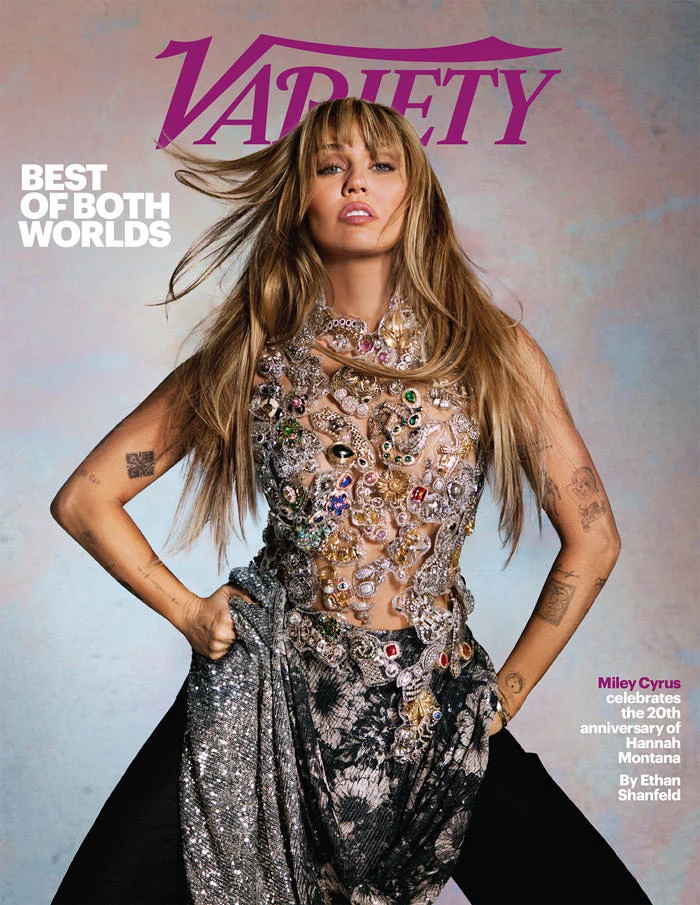

The Genesis of the Hannahversary and the Dolly Parton Strategy
The upcoming 20th anniversary of Hannah Montana, which premiered on the Disney Channel on March 24, 2006, represents a significant cultural touchstone for a generation of viewers. In her conversation with Variety, Cyrus revealed that the momentum behind a commemorative special was not initially driven by corporate planning, but by a specific piece of advice from her godmother, country music icon Dolly Parton. Cyrus explained that Parton taught her a "terrible habit" that has proven to be an effective business strategy: promoting a project before it officially exists to ensure its eventual creation.
By publicly discussing a "Hannah Montana" 20th-anniversary special, Cyrus effectively signaled to the industry and her fan base that such an event was forthcoming, thereby creating the demand necessary to bring it to fruition. This "manifestation" tactic underscores the agency Cyrus has reclaimed over her early career narrative. The singer noted that as she revisited her catalog for the project, she found herself protective of the original material. During rehearsals, when choreographers attempted to modernize the routines associated with her early hits, Cyrus insisted on maintaining the original movements, citing the philosophy that "it ain’t broke—don’t fix it."
A Chronology of Transformation: From Disney to Plastic Hearts
The journey from the 2006 premiere of Hannah Montana to Cyrus’s current status as a critically acclaimed rock and pop powerhouse is marked by distinct phases of reinvention. The series, which followed a teenage girl living a double life as a world-famous pop star, became a global phenomenon, spawning four seasons, a concert film, and a feature film that grossed over $155 million worldwide. However, the transition away from the Disney brand was a period of intense public scrutiny.
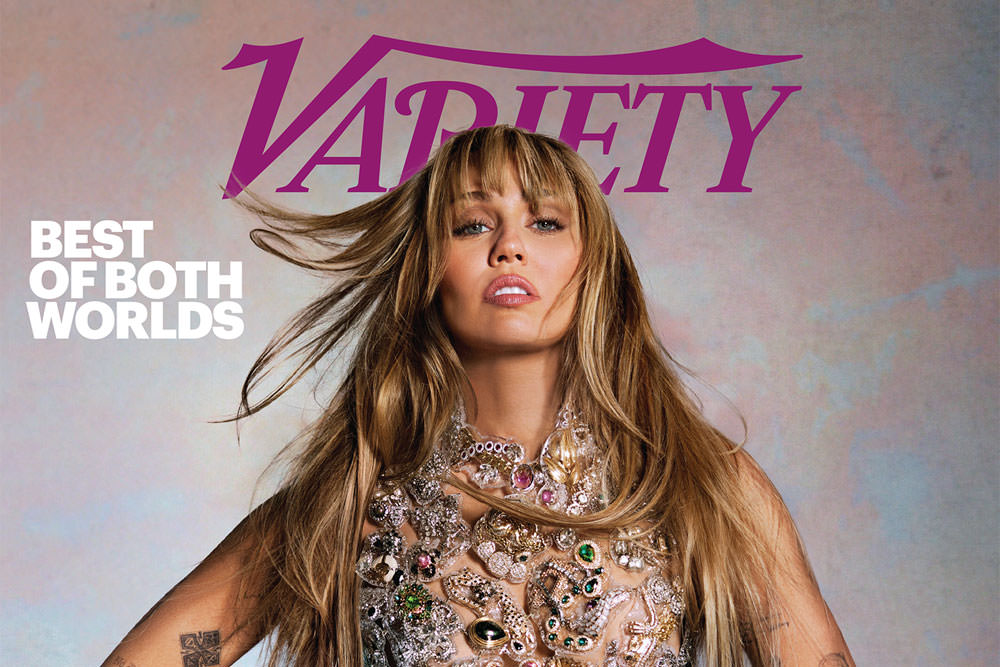
Cyrus addressed this era in the Variety interview, clarifying that her post-Disney transformations were never intended to "kill off" the character that made her famous. Instead, she characterized her often-controversial choices—most notably during the 2013 Bangerz era—as a natural progression of a teenager navigating self-discovery in the public eye. She acknowledged that while presenting herself "boldly and unapologetically" carried a heavy social cost at the time, it was a necessary risk. According to Cyrus, playing it safe might have ensured short-term success, but it would not have provided the "sustainability" she enjoys today.
This sustainability was cemented with the release of Plastic Hearts in 2020, which saw her embrace a rock-influenced sound, and reached a commercial zenith with the 2023 album Endless Summer Vacation. The latter produced the global hit "Flowers," which earned Cyrus her first two Grammy Awards for Record of the Year and Best Pop Solo Performance in 2024.
Assessing the Super Bowl Halftime Show Prospect
Perhaps the most significant revelation in the Variety feature concerns the recurring speculation that Cyrus will headline an upcoming Super Bowl halftime show. Currently regarded by betting markets as a top contender for the 2026 performance, Cyrus admitted to feeling the immense weight of the opportunity. The Super Bowl halftime show is arguably the most-watched musical performance in the world, with recent broadcasts attracting upwards of 120 million viewers.
Cyrus expressed a cautious approach to the prospect, stating that the sheer scale of the event typically feels like "too much pressure." However, she outlined a potential path forward: if she can frame the performance as a "journey through the discography," similar to her approach for the Hannah Montana anniversary, she believes she could manage the mental and emotional demands of the stage. Her focus remains on honoring the eras of her career rather than merely spectacle, a sentiment that aligns with the current industry trend of "legacy-building" performances.
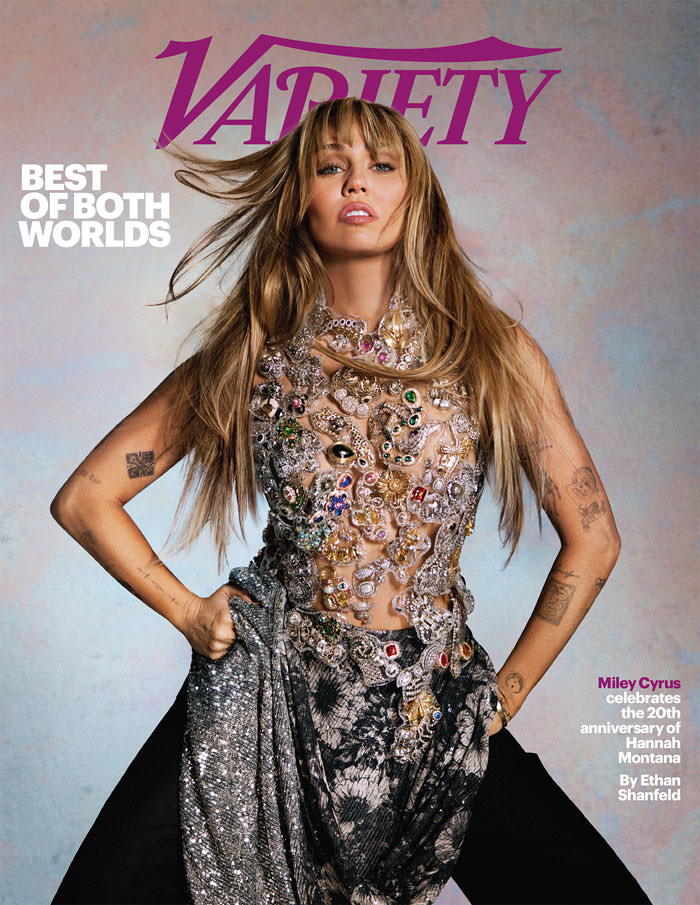
Mentorship and the Protection of Emerging Artists
Beyond her own career, Cyrus has emerged as a vocal advocate for the well-being of younger artists. She specifically mentioned reaching out to Chappell Roan, an artist who has recently experienced a meteoric rise to fame accompanied by public struggles regarding fan harassment and the boundaries of celebrity culture.
Cyrus told Variety that she feels a protective instinct toward those being "bullied" by the pressures of the industry or the entitled behavior of certain fan segments. Drawing from her own experience of being "recognizable as a teen," Cyrus seeks to provide a roadmap for younger performers to achieve a "balanced life." This mentorship is increasingly relevant in an era where social media has blurred the lines between public performance and private existence, often leading to burnout among new stars.
The Role of Sobriety and Long-Term Health
Central to Cyrus’s current stability is her commitment to sobriety, a topic she has discussed with increasing frequency since 2020. In the interview, she touched upon the importance of health and clarity in maintaining a career that spans decades. The shift toward a more disciplined lifestyle has allowed her to focus on the technical aspects of her craft, such as the vocal health required to perform a diverse range of genres from country to hard rock.
Industry analysts suggest that Cyrus’s public discourse on sobriety and mental health has helped rebrand her from a "rebellious" figure into a mature, legacy-focused artist. This transition is essential for securing long-term partnerships and maintaining a consistent touring schedule in an industry that is increasingly wary of the risks associated with erratic public behavior.
Broader Impact and Industry Implications
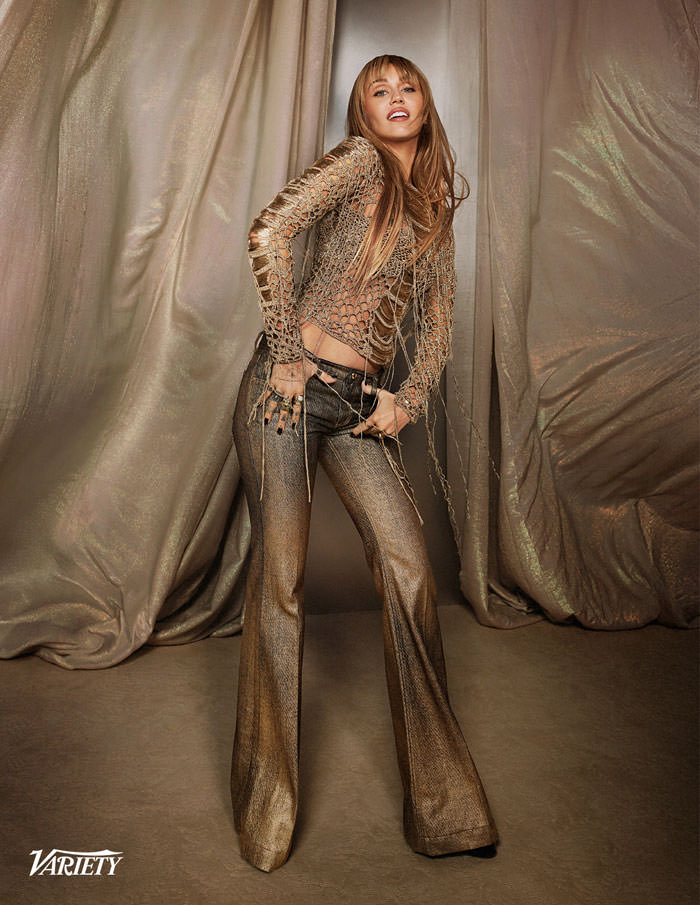
The Variety cover story arrives at a pivotal moment for both Cyrus and the music industry at large. As legacy acts and nostalgia-driven content continue to dominate streaming charts and concert ticket sales, the 20th anniversary of Hannah Montana provides a blueprint for how former child stars can successfully integrate their past with their present.
Furthermore, Cyrus’s comments on the Super Bowl halftime show highlight the evolving nature of the event. Under the direction of Jay-Z’s Roc Nation, the halftime show has shifted toward celebrating artists with deep, multi-generational catalogs. Cyrus, with a career spanning twenty years and a repertoire that includes teen pop, hip-hop, and rock, fits the profile of a modern headliner who can appeal to a broad demographic.
The interview also underscores a growing trend of "artist-to-artist" support systems. By reaching out to figures like Chappell Roan, Cyrus is contributing to a culture of solidarity that challenges the traditional "diva" narrative, suggesting that the next era of pop stardom may be defined as much by mental health advocacy as by musical output.
Conclusion: A Legacy in the Making
Miley Cyrus’s reflection on the 20th anniversary of Hannah Montana is more than a nostalgic exercise; it is a strategic assertion of her place in the pop pantheon. By embracing her history while maintaining a forward-looking trajectory, she has managed to navigate the "cross to bear" of early fame to find a position of unprecedented artistic freedom. Whether she eventually takes the stage at the Super Bowl or continues to focus on curated anniversary projects, Cyrus has demonstrated that the key to career longevity in the 21st century is the ability to evolve without losing sight of the original "bike" that started the journey. As the "Hannahversary" approaches, the entertainment world will undoubtedly be watching to see how the artist who refused to "play it safe" continues to redefine the boundaries of a modern musical legacy.