

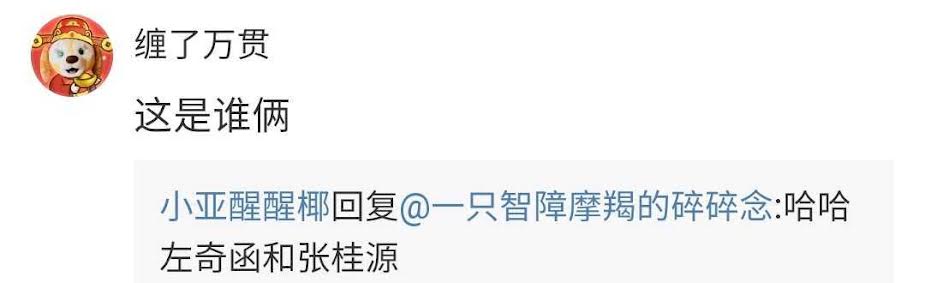
The relentless encroachment of privacy in the entertainment industry reached a uniquely tactical resolution recently, drawing international attention to the murky underworld of obsessive fandoms. Zuo Qihan and Zhang Guiyuan, young trainees under the Chinese talent powerhouse TF Entertainment, captured global headlines after a video surfaced showing them executing a masterclass in boundary enforcement. Rather than fleeing or enduring harassment from a persistent sasaeng—a term originating in South Korea for intrusive, obsessive fans who stalk celebrities—the underage performers calmly redirected their stalker straight to the doors of a local police station.
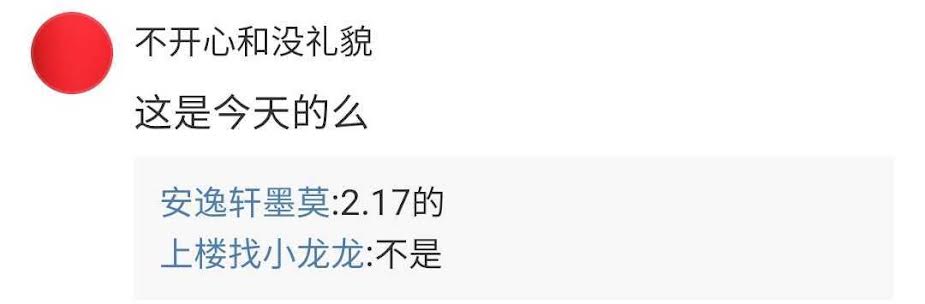
The incident, which originally took place on February 17, 2024, recently experienced a massive resurgence across platforms like X (formerly Twitter) and Weibo. The viral footage has since ignited widespread discussions concerning the safety of minor entertainers, the toxic monetization of celebrity intrusion, and innovative methods for combating illicit stalking behaviors within the modern pop music ecosystem.
Chronology of the Incident: A Calculated Turn of Events

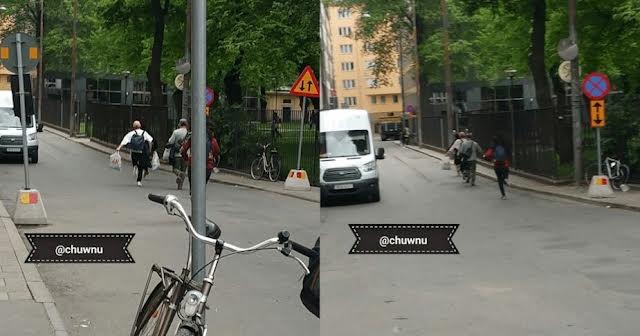
The confrontation began like countless others in the high-scrutiny lives of celebrity trainees. Zuo Qihan and Zhang Guiyuan were navigating a public space when they realized they were being trailed by an individual recording their every move. Rather than engaging in a frantic footrace or escalating tensions verbally—reactions frequently exploited by stalkers for dramatic social media content—the two teenagers maintained their composure.
Instead of heading toward their dormitories, agency headquarters, or a private vehicle, the trainees deliberately altered their navigation. Walking with apparent purpose, they guided the oblivious videographer through city streets until the unmistakable facade of a local municipal police station came into view.
As the realization dawned on the pursuing fan that she was actively standing outside a law enforcement facility, her shock was palpable. Audio captured from the recording device revealed her bewilderment. "Police station? What’s the meaning of this? No. Ah, ah. What’s the deal with bringing me here?" the startled fan stammered on tape, remaining entirely oblivious to the irony of her own questioning until it was far too late.
The identity of the two youths adds a crucial layer of gravity to the situation. At the time of the recording, Zuo Qihan was just 14 years old, and Zhang Guiyuan was 15. Both are members of the pre-debut fourth-generation lineup of the TF Family, an incubator program managed by TF Entertainment—the same Beijing-based agency responsible for catapulting mega-groups like TFBoys to superstardom.

The Economics of Obsession: Why Sasaengs Risk Legal Retaliation
While casual observers frequently express bafflement regarding the extreme measures sasaengs undertake to capture mundane footage of idols, digital investigations reveal a lucrative, highly organized underground market. The phenomenon extends far beyond simple fandom; it operates as an illicit commercial enterprise driven by profit.
Social media sleuths on Weibo quickly unpacked the financial mechanics motivating individuals to stalk minors. According to user testimony analyzed during the viral discourse, stalkers often finance their invasive activities by selling exclusive, real-time footage to secondary collectors and gossip channels. A typical business model involves recording a celebrity or trainee for less than a minute, then leveraging encrypted messaging apps to auction the content.
"I don’t understand what a sasaeng gets out of following and filming them every day," one netizen posted, prompting a detailed breakdown from a well-informed observer. "They can make money. I just saw one today selling a video for ¥30 CNY ($4.50 USD) a person, and they only sell it if they get 35 buyers. Going up to and filming them closely for less than a minute can generate ¥1,000 ($150 USD). That’s why sasaengs will do anything."

This financial incentive transforms ordinary street harassment into a persistent, low-risk, high-reward gig economy. Stalkers routinely monitor trainee schedules, track flights, book adjacent hotel rooms, and deploy tracking devices on commercial vehicles used by talent agencies. For perpetrators operating under this economic model, the threat of minor social media backlash is viewed merely as an occupational hazard.
Global Reactions and the Call for Industry-Wide Reform
When the footage was translated and cross-posted to Western social media networks, it was met with a combination of dark humor, absolute astonishment, and fierce protective outrage from international fans. The video’s distribution on X accumulated millions of views, triggering intense debates regarding the physical and psychological safety of minor performers in the entertainment industry.
Commentators on social media were quick to point out the absurd juxtaposition of a grown adult illegally tracking teenagers while simultaneously expressing confusion when held accountable. "The way OP still has the audacity to ask ‘what is the meaning of this’ like girl, it’s to arrest your ass," wrote one user, capturing the sentiment of hundreds of thousands of digital spectators.
Another user emphasized the predatory nature of the dynamic, noting, "And they are right. If your grown ass is stalking a bunch of 13- or 14-year-olds, you deserve to be locked up for a long time."
Calls for major talent agencies—particularly within the K-pop and C-pop industries—to adopt proactive defense strategies have amplified in the wake of the viral video. Fans explicitly tagged prominent management labels, such as Pledis Entertainment and SM Entertainment, urging them to empower their artists and trainees with similar tactical deterrents. Historically, major entertainment companies have placed the burden of evasion on exhausted security teams or forced artists to absorb the psychological toll of continuous surveillance in silence.
The Historical Precedent of Celebrity Stalking
The vulnerability of young trainees and established idols alike is a systemic issue plagued by decades of administrative shortcomings. Across the global entertainment landscape, sasaeng culture has frequently crossed the threshold from annoyance into severe criminal behavior.
In South Korea, legendary groups like TVXQ and EXO have historically documented harrowing accounts of stalkers breaking into dormitories, tampering with personal belongings, and even hiring identical commercial vans to trick members into entering unauthorized vehicles. Similarly, during promotional activities abroad, groups such as BTS have frequently found themselves pursued by aggressive packs of photographers ignoring basic boundaries and traffic laws.
However, the response exhibited by Zuo Qihan and Zhang Guiyuan represents a generational shift in how young artists perceive and handle harassment. Rather than internalizing fear or accepting intrusion as an unavoidable tax on fame, these teenagers demonstrated an empowering refusal to acquiesce.
Implications for the Future of Idol Management
The viral dissemination of this incident highlights a critical turning point in artist protection. As digital platforms continue to democratize content creation, the line between public admiration and criminal harassment has grown dangerously thin.
Legal experts point out that while civil litigation and protective restraining orders remain challenging to enforce across international borders or anonymous digital handles, physical proximity to municipal law enforcement acts as an immediate equalizer. By physically steering their pursuer into the jurisdiction of the state, the two TF Family trainees effectively utilized the physical architecture of the city as a defensive perimeter.
As TF Entertainment and competing agencies navigate the complexities of digital-age celebrity culture, the actions of Zuo Qihan and Zhang Guiyuan serve as a powerful cautionary tale for stalkers and an inspiring blueprint for vulnerable performers worldwide. Boundaries, as demonstrated by two teenagers on a brisk walk to the police station, can be enforced not just by security guards, but by the targets themselves—transforming a moment of vulnerability into an enduring lesson in accountability.