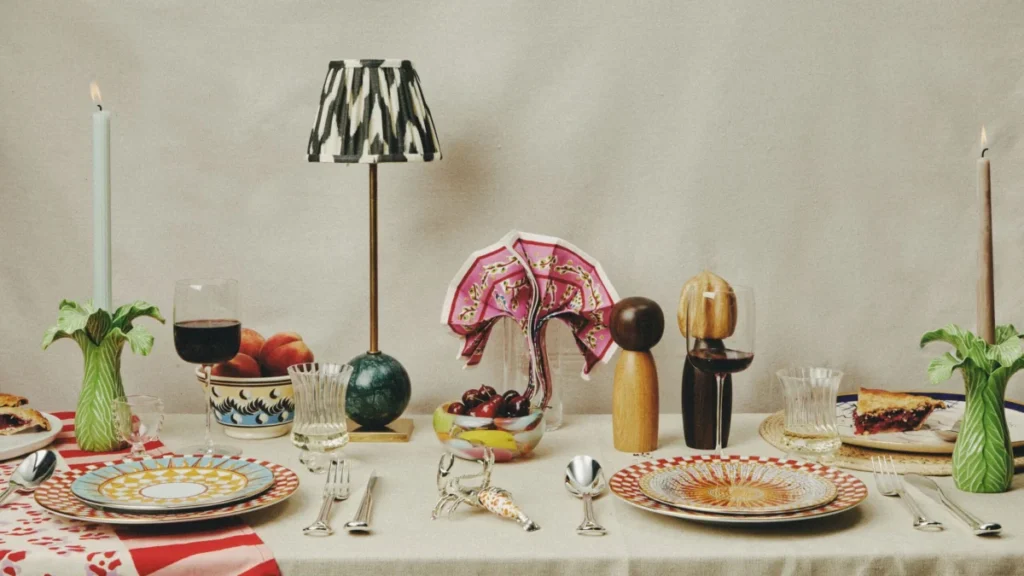

The evolution of home dining has shifted significantly in recent years, moving away from rigid, matching formal sets toward a more curated, eclectic aesthetic. Decorative plates, once relegated to the status of heirlooms kept behind glass in formal dining rooms, are increasingly finding their way into daily use and prominent wall displays. This transition reflects a broader trend in interior design: the prioritization of personal narrative and artisanal craftsmanship over mass-produced uniformity. By incorporating plates that feature unconventional shapes, intricate hand-painted patterns, and irregular glazes, homeowners are transforming their dining tables into canvases of personal expression.
The Rise of Curated Tabletops
The shift toward "collected" tabletops—where mismatched patterns, textures, and eras coexist—is a direct response to the decline of traditional, formal entertaining. Industry data indicates that consumer interest in artisanal home goods has surged by approximately 22% since 2020. This growth is driven by a desire for products that possess a tactile quality and a traceable origin, moving away from the sterile perfection of factory-made porcelain.

Experts in the design field suggest that the modern table should be a reflection of the host’s personality. Olympia Irving, a principal at Carolina Irving and Daughters, notes that the functional value of a plate is secondary to its ability to evoke a response. "Any plate with a fun decorative motif, bright colors, or an interesting shape makes it more than just simply functional," she explains. When a plate serves as a conversation piece, it elevates a standard meal into an experiential event.
Historical Context and the Artistic Shift
Historically, decorative plates—often termed "cabinet plates"—were created purely for ornamental purposes. During the 18th and 19th centuries, European porcelain houses like Meissen and Sevres produced elaborate, hand-painted plates intended to demonstrate wealth and artistic refinement. Today, however, the boundary between "ornamental" and "functional" has blurred.
This convergence is supported by contemporary artists and designers who favor materiality that feels "in flux." Anna Jewsbury, founder of Completedworks, highlights the appeal of surfaces that challenge the traditional, rigid nature of ceramics. "I often find myself drawn to surfaces that look like they’re in flux—glazes that pool unpredictably or finishes that suggest movement or fragility, even in solid materials," Jewsbury says. This philosophy is evident in the current market, where consumers are seeking out pieces that feel handmade, intentionally imperfect, and structurally unique.

Market Analysis: Materiality and Innovation
The current market for decorative plates is divided into two distinct segments: the high-end artisanal sector and the "affordable luxury" category. The high-end sector, exemplified by collaborations between heritage houses like Ginori 1735 and contemporary design brands like Cabana, focuses on historical motifs updated with modern color palettes. Conversely, mass-market retailers such as West Elm are capitalizing on this aesthetic by producing "wiggle-edge" plates and scalloped designs that mimic the look of artisanal ceramics at a more accessible price point.
The economic implications of this trend are notable. For small-scale pottery workshops, the surge in demand for non-standard dinnerware has provided a vital revenue stream. The ability to produce small, artisanal batches allows for greater experimentation with glazes and firing techniques, which would be impossible in a high-volume manufacturing environment.
A Chronology of the Trend
- Pre-2010: The formal dinnerware set (usually a 12-piece service for 12) remains the standard for weddings and households.
- 2010–2018: The rise of social media platforms like Pinterest and Instagram begins to democratize interior design, exposing a global audience to eclectic, "maximalist" table settings.
- 2020–2022: During the global pandemic, home entertaining becomes a localized, intimate activity. The focus shifts toward "tablescaping," where the visual presentation of the meal becomes as important as the food itself.
- 2023–Present: Artisanal, handmade, and vintage-inspired ceramics become the dominant aesthetic. Consumers move toward "slow living," prioritizing sustainable, long-lasting items over cheap, disposable sets.
Featured Selections in Modern Tablescaping
The current landscape of available designs offers a wide variety of approaches to this trend. Below is an overview of pieces that define the current intersection of art and utility.

The Subversive Sculpture: Completedworks Recycled Glass
Completedworks has pushed the boundaries of traditional dining by utilizing recycled glass—often sourced from broken windows and discarded bottles—to create dinner plates. By using old engine oil as a fuel source during production, the brand emphasizes a circular economy. The result is a plate that possesses an industrial, somewhat alien aesthetic, proving that dinnerware can be as much a piece of modern art as a vessel for food.
The Traditionalist’s Choice: Villeroy & Boch French Garden
For those who prefer a more classic, pastoral aesthetic, the Villeroy & Boch "French Garden" collection serves as a perennial favorite. These plates use traditional floral and fruit motifs to ground a table setting in a sense of history and warmth. They remain a standard for those who wish to blend traditional European charm with the functionality of modern dishwasher-safe ceramics.
The Artisanal Splash: Carolina Irving & Daughters
Splatterware, once associated with rustic camping or simple farmhouse kitchens, has been elevated by designers like Carolina Irving. The "Concha" plate, which features a seashell-like shape and a painterly, hand-glazed finish, exemplifies the shift toward whimsical, nature-inspired shapes. These pieces are designed to be used daily, challenging the notion that delicate-looking plates must be reserved for special occasions.

The Italian Heritage Collaboration: Cabana x Ginori 1735
The collaboration between Cabana Magazine and the Italian porcelain house Ginori 1735 represents the pinnacle of luxury in this sector. These chargers, often decorated with intricate, hand-applied floral designs, lean into the "La Dolce Vita" aesthetic. They are not merely plates but serve as a statement of cultural heritage, often inspired by historical Italian textiles and architectural details.
Vintage Aesthetics: Olive Ateliers
The "Vincent" plate by Olive Ateliers highlights the trend of "aged" new products. By applying a hand-painted floral motif to an ivory base and intentionally distressing the rim, the brand satisfies the consumer desire for the "antique look" without the unpredictability of sourcing actual vintage goods. As co-founder Laura Sotelo notes, "The wow isn’t about perfection—it’s about the story it carries."
Modern Minimalism: West Elm’s Wiggle Series
West Elm has effectively bridged the gap between high design and mass-market accessibility. The "Wiggle" dinner plate, with its scalloped, undulating edges and soft color palette, provides an entry point for the average consumer to experiment with shapes that deviate from the standard circle. It serves as an example of how large retailers can adopt and normalize avant-garde design trends for the mass market.

The Artist’s Statement: L’Objet x Ruan Hoffmann
For those seeking a more dramatic flair, the collaboration between L’Objet and South African artist Ruan Hoffmann offers bold, artistic expression. With 24k gold accents and visceral, painterly designs, these plates are often categorized as "vide poche" (trinket dishes) or accent plates. They demonstrate that even small items, when treated with artistic intent, can define the mood of an entire dining space.
The European Countryside: Porta’s Ottoline
Drawing inspiration from the Bloomsbury Group and traditional English interiors, the "Ottoline" plates sold by Porta feature wave detailing and slate-blue motifs. These pieces are designed to feel like part of an English country house history, bridging the gap between historical art movements and contemporary home decor.
Broader Impact and Implications
The trend toward decorative, unique plates is indicative of a wider shift toward "meaningful consumption." Consumers are increasingly aware of the provenance of their goods and are willing to pay a premium for items that feel personal or connected to a specific craft tradition. This has forced larger manufacturers to reconsider their product lines, often moving away from basic, white-on-white porcelain toward designs that incorporate texture, color, and irregular forms.

From an environmental standpoint, the focus on artisanal, durable goods is a positive movement away from the "fast furniture" cycle. When consumers invest in a plate that they perceive as a work of art, they are statistically more likely to maintain, repair, and cherish that item over a longer period.
Ultimately, the decorative plate is no longer a static object. It is a dynamic component of the modern home. Whether it is a hand-painted piece from the Amalfi Coast or a recycled glass plate from a contemporary studio, the current appetite for these items suggests that the dining table will continue to be a primary site for cultural and personal expression for the foreseeable future. The movement is not merely about decor; it is about reclaiming the ritual of the meal as a deliberate, creative, and storied experience.