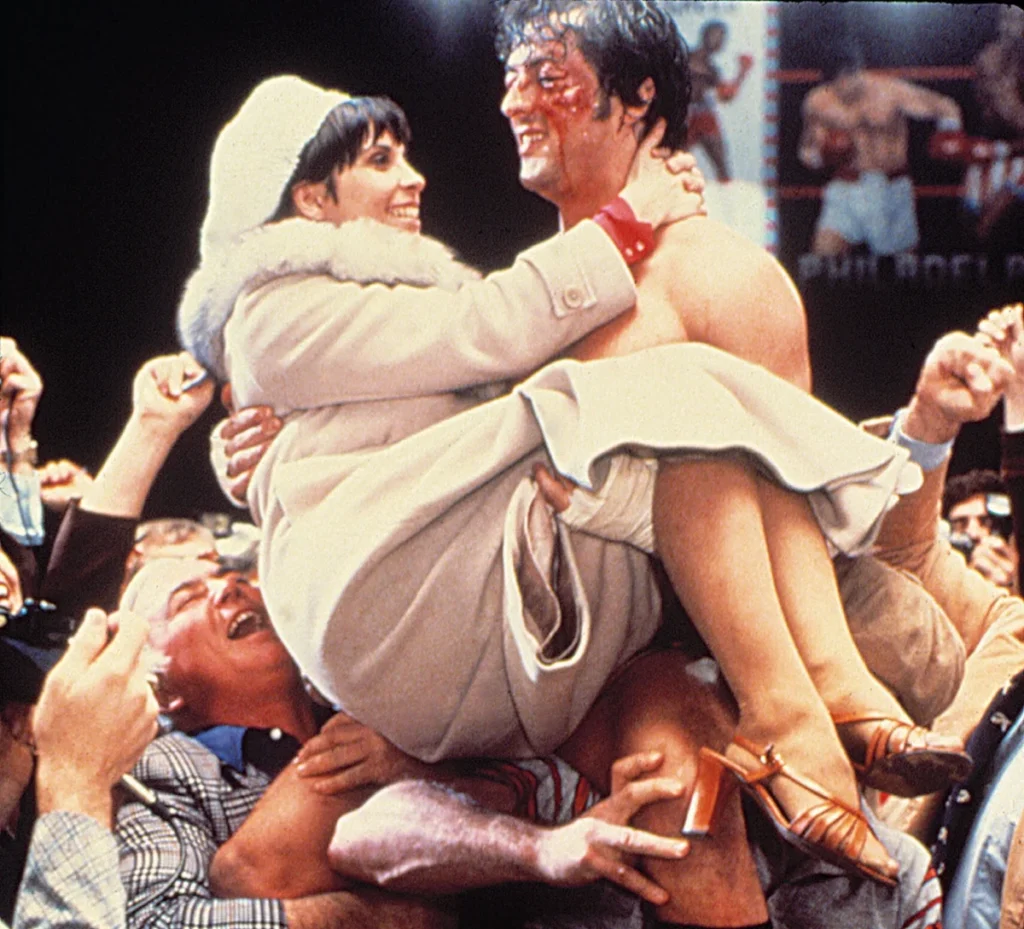

The enduring legacy of the Rocky franchise is anchored in its profound exploration of human connection, evolving from a gritty 1976 character study into a global cultural phenomenon. As the film series reaches its 50th anniversary and anticipation builds for the upcoming biopic I Play Rocky, which chronicles the real-life struggles of Sylvester Stallone during the project’s inception, it is essential to reexamine the foundational relationships that transformed a low-budget sports drama into a cinematic institution. Rocky Balboa’s trajectory—from a small-time debt collector in Philadelphia to a world-renowned heavyweight champion—was never merely a story of physical prowess. It was a narrative sustained by the love of Adrian, the wisdom of Mickey, and the complicated, often turbulent, loyalty of Paulie.
A Legacy Built on Human Connection
When Sylvester Stallone penned the screenplay for Rocky in the mid-1970s, he envisioned a narrative that subverted the tropes of the traditional sports genre. In a 2019 interview with Variety, Stallone clarified the thematic core of the saga, noting that while the protagonist’s profession involves boxing, the true arc of the story is defined by his emotional bond with his wife, Adrian. This partnership provided the emotional stakes necessary for the audience to invest in the high-intensity sequences that would define the franchise.
The original 1976 film, directed by John G. Avildsen, was produced on a modest budget of approximately $1 million. Against all industry expectations, it grossed over $225 million worldwide, signaling that the audience’s connection to the characters was the primary driver of its success. This commercial performance validated the importance of the supporting cast, whose development over subsequent decades allowed the franchise to mirror the aging process and life challenges of its audience.
Adrian: The Moral Compass and Emotional Anchor
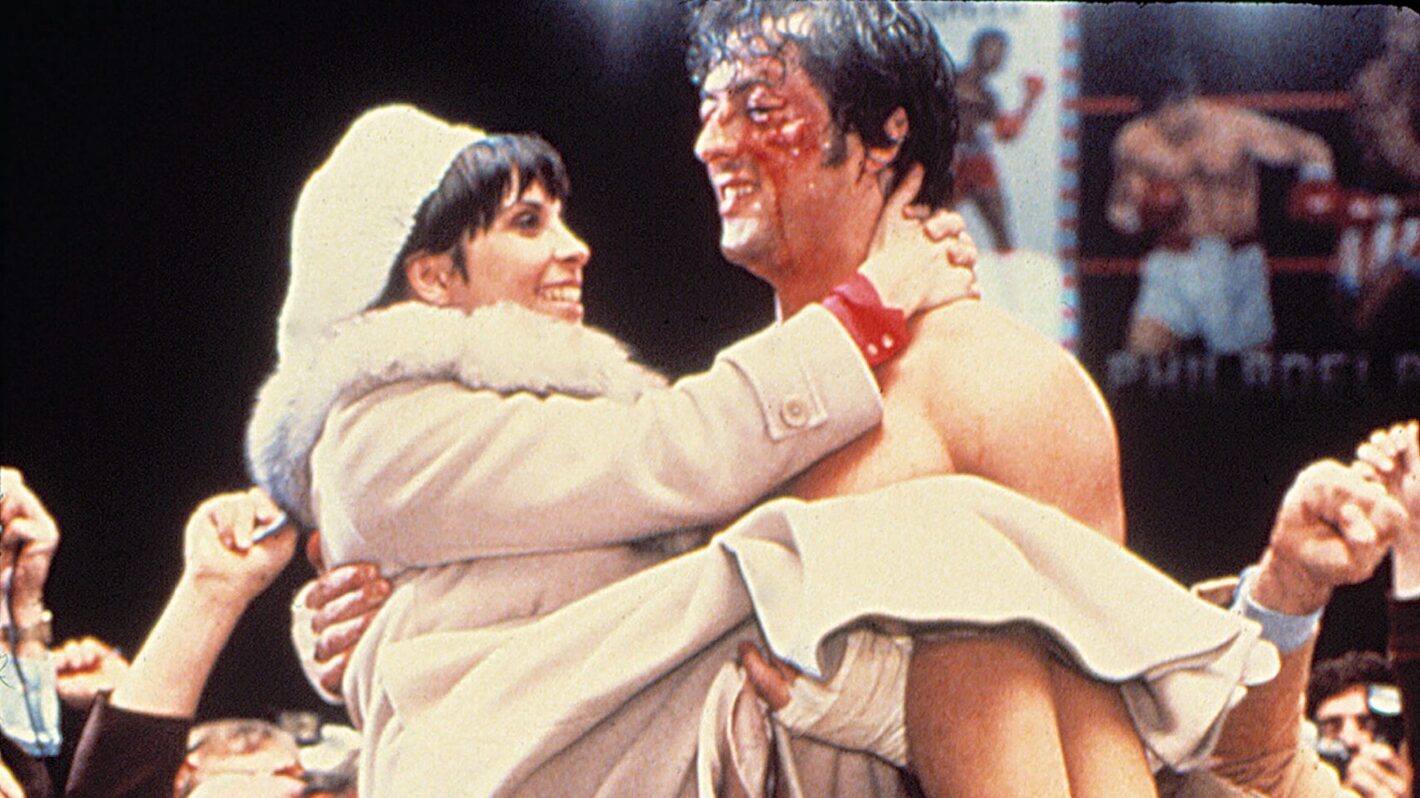
Talia Shire’s portrayal of Adrian Pennino remains one of the most significant performances in sports cinema. Initially introduced as a timid, soft-spoken clerk at a pet store, Adrian served as the catalyst for Rocky’s personal development. Her evolution from a sheltered woman to a resilient, supportive partner provided the counterbalance to the brutal, hyper-masculine environment of the boxing ring.
The chronology of their relationship serves as the backbone for the original five films:
- 1976 (Rocky): Adrian provides the emotional validation that encourages Rocky to pursue his fight with Apollo Creed.
- 1979 (Rocky II): The couple marries, transitioning into the domestic struggles of fame and financial instability.
- 1982 (Rocky III): Adrian pushes Rocky to confront his fear and reinvent himself after his defeat by Clubber Lang.
- 1985 (Rocky IV): Her vocal opposition to the fight against Ivan Drago highlights the franchise’s shift toward geopolitical stakes and the personal toll of combat sports.
- 1990 (Rocky V): Her intervention serves as the ultimate moral correction, reminding Rocky that his legacy is tied to his family, not his fighting record.
The creative decision to have Adrian pass away from ovarian cancer in 2002—as revealed in the 2006 film Rocky Balboa—was a narrative turning point. It shifted the tone of the series from one of external struggle to internal grief. Shire, who was not the initial choice for the role, brought a specific authenticity to the character, often citing her own experiences with shyness as the bridge to understanding Adrian’s character arc. Her Academy Award nomination for Best Actress remains a testament to the depth she brought to the role.
Mickey Goldmill: The Architecture of Discipline
If Adrian represented the heart of the franchise, Mickey Goldmill, played by the veteran actor Burgess Meredith, represented its discipline. Mickey was not merely a trainer; he was a mentor figure whose gruff exterior masked a deep, paternal investment in Rocky’s success. Meredith, an industry titan with a career spanning four decades, brought a layer of gravitas to the role that elevated the film’s status from a "boxing movie" to a story about legacy.
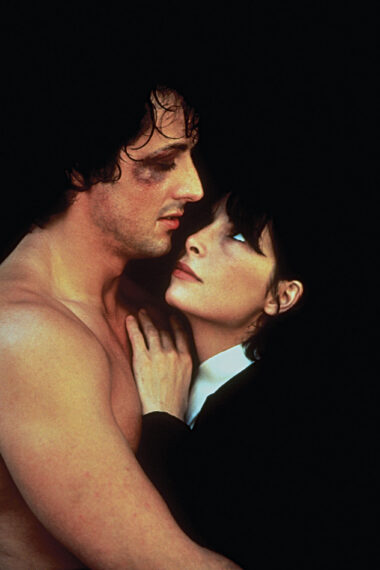
Mickey’s arc serves as a cautionary tale regarding the physical toll of the sport. His management of Rocky was marked by a shift from skepticism to unwavering belief. The climax of his character arc in Rocky III—where he suffers a cardiac arrest following a confrontation with Clubber Lang—serves as the emotional catalyst for the film’s second act. His final words to Rocky, "I love you, kid," remain one of the most iconic lines in cinema history, reinforcing the idea that the bond between coach and athlete is one of the most intimate professional relationships in existence.
Paulie Pennino: The Complicated Reality of Loyalty
Burt Young’s portrayal of Paulie Pennino provided the necessary friction to keep the narrative grounded. Unlike the idealized figures of Adrian or Mickey, Paulie represented the volatile, often destructive nature of working-class struggle in Philadelphia. As Rocky’s best friend turned brother-in-law, Paulie’s journey is defined by his jealousy, substance abuse, and occasional, profound loyalty.
Paulie’s role in the franchise was twofold: he was a source of constant conflict and a consistent reminder of the life Rocky was trying to escape. His introduction in the first film, where he works at a meat packing plant and facilitates Rocky’s training, provided one of the most visually iconic training montages in history. However, as the series progressed, Paulie’s character served to highlight the dangers of living in the shadow of someone else’s success. His management of Rocky’s finances in Rocky V, which led to the protagonist’s financial ruin, underscored the importance of trust in high-stakes environments.
Broader Implications and Historical Context
The endurance of these characters is rooted in their relatability. While the boxing world is often portrayed as elite and untouchable, the characters surrounding Rocky Balboa were consistently grounded in blue-collar realities. This demographic alignment allowed the franchise to resonate with millions of viewers who saw their own family dynamics—the supportive partner, the demanding mentor, and the complicated relative—reflected on screen.
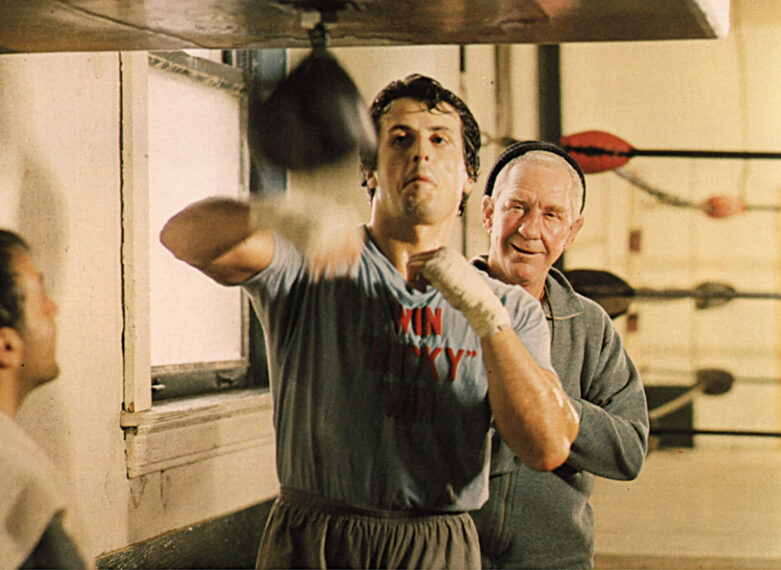
The decision to continue the story through the Creed franchise in recent years has only deepened the relevance of these original characters. By acknowledging their deaths—Adrian in 2002 and Paulie in 2012—the newer films honor the history of the characters while allowing the narrative to evolve. The inclusion of these characters’ gravesites in the Creed films serves as a bridge between generations, ensuring that the legacy of the original cast remains intact for new audiences.
Analysis of the Franchise’s Evolution
The 50-year span of the Rocky series provides a unique case study in character-driven storytelling. While modern blockbusters often prioritize spectacle and CGI, the Rocky franchise succeeded by keeping its central conflict focused on the domestic lives of its characters. Data regarding the franchise’s longevity suggests that audiences remain invested because they have seen these characters grow, age, and suffer loss over five decades.
The upcoming I Play Rocky project, which explores the behind-the-scenes creation of the original film, will likely serve as a cultural capstone to this anniversary. It emphasizes that the chemistry between Stallone, Shire, Meredith, and Young was not just a matter of casting, but a result of a shared vision that the story of a boxer was secondary to the story of the human condition.
As the Rocky 50th Anniversary Special Issue from TV Guide Magazine highlights, the fascination with these characters has not waned. Their impact on popular culture—from the "Rocky steps" in Philadelphia to the iconic training montage—remains a staple of modern media. By maintaining a focus on the personal relationships that defined the Italian Stallion’s journey, the franchise has cemented itself as a permanent fixture in the history of American cinema. The individuals who stood in his corner—Adrian, Mickey, and Paulie—did more than just watch him fight; they defined what it meant to "go the distance."