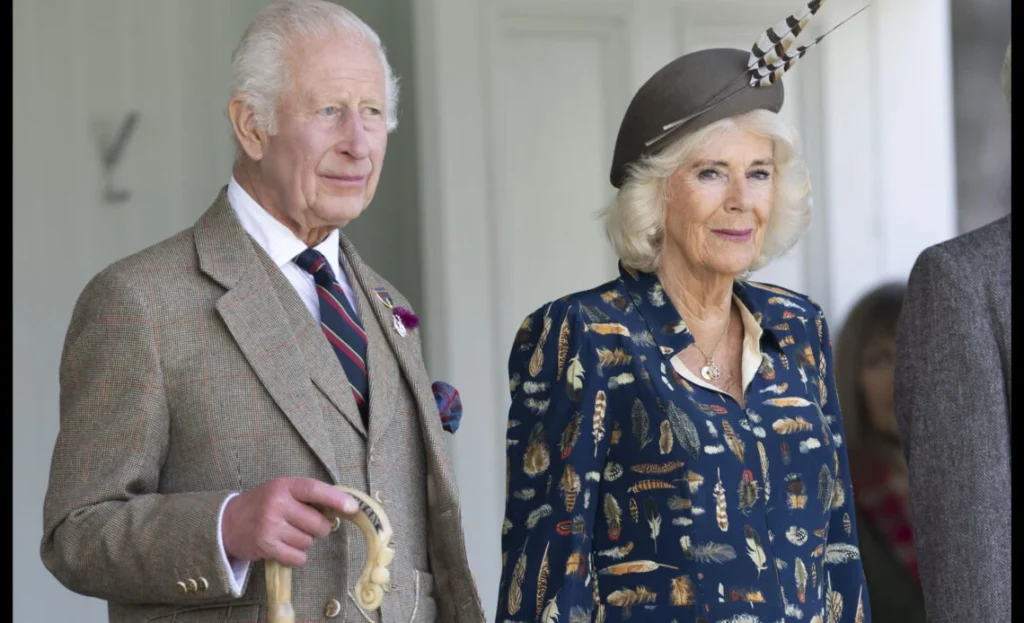

King Charles has embarked from the United Kingdom for what is widely regarded as one of the most significant and diplomatically delicate international tours of his reign thus far. Departing the UK on a crisp autumn afternoon, the monarch has set his sights on the Caribbean, a region currently undergoing profound social, political, and constitutional shifts. This comprehensive voyage will span nearly a week and a half, taking the King through the Bahamas, Guyana, and subsequently reuniting with Queen Camilla in Antigua and Barbuda.
The tour unfolds against a complex backdrop of modern geopolitical evolution within the Commonwealth realms. As the British monarch travels across these nations, he does so while regional discussions surrounding historical accountability, the legacy of the transatlantic slave trade, and demands for formal apologies and financial reparations remain at the forefront of public discourse. Despite these pressing debates, Buckingham Palace has maintained that the overarching objective of the royal itinerary is to celebrate the vibrant cultures, resilient communities, and rich natural biodiversity unique to the participating nations.
Chronology and Itinerary of the Royal Tour
The carefully orchestrated schedule begins with King Charles traveling unaccompanied for the initial phase of the journey. His Majesty is scheduled to arrive in Nassau, the capital of the Bahamas, on October 28, marking the official commencement of the tour. The opening leg of the visit will see the King engage directly with the younger demographic of the island nation, attending a high-profile youth rally designed to highlight and honor the contributions of young Bahamians to national life, civic engagement, and cultural development.
Environmental advocacy, a lifelong passion of the British monarch, forms a central pillar of the Bahamian itinerary. The King is slated to tour a prominent Bahamian National Trust site, where he will be briefed on localized conservation initiatives that have successfully restored vulnerable ecosystems and provided vital protection for indigenous wildlife. Furthermore, the schedule includes a visit to Coral Harbour Base, offering the sovereign an opportunity to meet with active personnel of the Royal Bahamas Defence Force.
The itinerary in Nassau continues with a public-facing visit to historic Parliament Square, where the King will interact with cross-sections of Bahamian society and witness the energetic spectacle of a traditional Junkanoo parade. Community engagement will be further emphasized when His Majesty hosts a dedicated Garden Reception specifically honoring local civic and social leaders.
Following his engagements in the Bahamas, King Charles will transition to Guyana. In Georgetown, the capital, the monarch’s schedule emphasizes historical preservation and international ecological cooperation. He will visit a Commonwealth War Graves site to acknowledge historical legacies before participating in discussions concerning national leadership on environmental policy. A key highlight of the Guyanese leg will be his attendance at the Global Biodiversity Alliance Conference, reinforcing his commitment to global sustainability frameworks. Additionally, the King is scheduled to meet with the National Toshaos Council, an executive body representing indigenous communities, thereby recognizing their invaluable cultural and social contributions to the wider Guyanese society.
The second half of the tour witnesses the arrival of Queen Camilla, who will join her husband as the royal party transitions to Antigua and Barbuda. Together, the King and Queen will participate in national festivities, including an Independence Day Parade and a formal church service. Their joint appearances will also feature a garden reception designed to foster community ties.
Queen Camilla’s solo engagements during this phase will showcase her distinct philanthropic patronages, featuring visits to an esteemed American university campus and a local educational institution. Concurrently, King Charles will pivot toward economic and commercial diplomacy by attending the Sticky Wicket Business Forum to converse with regional business leaders.
The culmination of the autumn tour centers on Antigua and Barbuda, which plays host to the Commonwealth Heads of Government Meeting (CHOGM). As Head of the Commonwealth, King Charles, accompanied by Queen Camilla, will preside over the official Opening Session of CHOGM, followed by a formal summit dinner. The intensive diplomatic mission officially concludes on November 4, when the royal couple departs Antigua and Barbuda to return to the United Kingdom.
Historical Context and Precedents
This royal excursion carries distinct echoes of previous high-profile visits to the Caribbean, most notably the March 2022 tour undertaken by the Prince and Princess of Wales—then serving as the Duke and Duchess of Cambridge—to mark the Platinum Jubilee of the late Queen Elizabeth II. That previous royal tour encountered unexpected public relations hurdles and protests from local advocacy groups demanding restorative justice and apologies for colonial-era atrocities. Certain elements of the 2022 tour, such as an open-top Land Rover parade reminiscent of mid-20th-century royal traditions, drew criticism from local commentators who argued that the optics were out of touch with modern post-colonial sensibilities.
Mindful of these past tensions, contemporary royal planners have noticeably streamlined the itinerary, prioritizing grassroots environmental projects, community-led initiatives, and direct dialogues with indigenous and youth groups over formal pageantry. This strategic shift reflects a broader institutional recognition that modern royal diplomacy must remain adaptable, culturally sensitive, and firmly anchored in mutual respect rather than outdated protocols.
Broader Impact and Implications
The timing of this Caribbean tour underscores the evolving nature of the Commonwealth in the 21st century. In recent years, several Caribbean nations have actively debated transitioning from constitutional monarchies to independent republics, following Barbados’s historic decision to remove the British monarch as head of state in November 2021. Jamaica and other regional realms have similarly signaled intentions to explore constitutional reform.
Political analysts note that while King Charles holds no direct executive power over the governance of these sovereign nations, his role as Head of the Commonwealth carries immense symbolic weight. The success of this diplomatic mission will likely be measured by the monarch’s ability to navigate sensitive historical grievances with grace while fostering constructive partnerships in areas of mutual interest, particularly climate change mitigation, economic resilience, and youth empowerment.
As the international community watches closely, the engagement between the British crown and its Caribbean partners during this autumn tour may well set a crucial precedent for the future trajectory of the Commonwealth under the Caroline era.