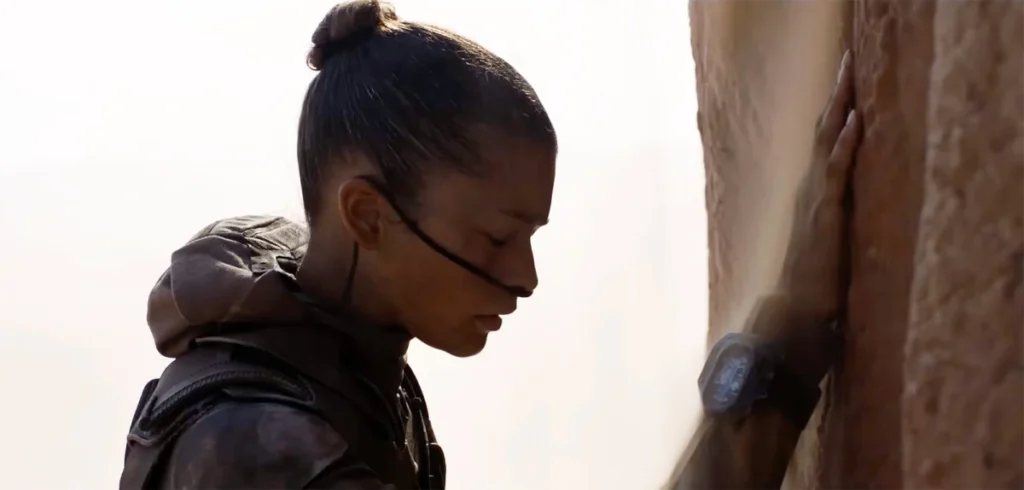

The cinematic landscape is bracing for the final chapter of one of the most critically acclaimed and commercially successful science fiction trilogies of the modern era. Warner Bros. has officially released the final, high-octane trailer for Dune: Part Three, accompanied by the simultaneous launch of advance ticket sales for its worldwide theatrical release scheduled for December 2026. Directed by visionary filmmaker Denis Villeneuve, the film serves as the grand finale of his ambitious adaptation of Frank Herbert’s seminal universe. Based primarily on Herbert’s 1969 sequel novel Dune Messiah, the upcoming blockbuster promises a darker, more complex, and visually arresting conclusion to the saga of Paul Atreides, now reigning as the Emperor Muad’Dib.
With anticipation reaching a fever pitch, IMAX and standard theatrical screenings across the globe are expected to experience unprecedented demand. The release of the final promotional footage offers audiences a deeper look into the mounting internal and external pressures facing the galactic ruler, setting the stage for what industry analysts project to be one of the monumental box office events of the decade.
Chronology of the Cinematic Journey

The path to Dune: Part Three has been a carefully orchestrated triumph for Warner Bros. and Legendary Pictures. The journey began in earnest with the release of the first installment, Dune, in October 2021. Despite facing the challenges of a simultaneous hybrid release model during the COVID-19 pandemic, the film grossed over $402 million worldwide and captured six Academy Awards, proving that Frank Herbert’s notoriously "unadaptable" source material could be translated into a breathtaking visual medium.
Following the critical and financial validation of the first film, Dune: Part Two arrived in theaters in March 2024. The sequel shattered box office expectations, pulling in more than $711 million globally and receiving near-universal acclaim for its grand scale, complex thematic exploration, and exceptional performances. Buoyed by this momentum, Warner Bros. immediately solidified plans for Villeneuve to complete his planned trilogy.
The production timeline moved swiftly behind closed doors, culminating in the release of the initial teaser trailer earlier this year. This was followed by a darker, more expansive full-length trailer that gave fans their first glimpse of the expanded cast and political machinations of the universe. Now, with the final trailer debuting in October 2026 and tickets going on sale globally, the promotional campaign enters its final phase ahead of the film’s worldwide premiere on December 18, 2026.
Plot Dynamics and Narrative Scope

Dune: Part Three thrusts viewers into the tumultuous reign of Paul Atreides, who now occupies the throne as Emperor of the known universe. Worshipped as a living religious icon by the zealous Fremen legions who conquered the galaxy in his name, Paul finds himself trapped by the very prophetic forces he sought to master. The narrative directly adapts the sobering themes of Dune Messiah, exploring the corrupting nature of absolute power and the inescapable weight of predetermined futures.
As Emperor, Paul holds more authority than any single human being was ever meant to wield. This unprecedented concentration of power has made him a target. He faces relentless opposition from the displaced political houses eager to reclaim their status, as well as an intricate, multi-layered conspiracy operating from within his own inner circle. Yet, while House Atreides begins to fracture under the weight of political betrayals and enemy machinations, the most profound threat targets his personal life—specifically his lover, Chani, and the unborn heir to the Atreides dynasty.
The screenplay, penned by Denis Villeneuve in collaboration with acclaimed writer Brian K. Vaughan, aims to maintain the philosophical depth of Herbert’s writing while delivering the pulse-pounding spectacle expected of a Hollywood blockbuster. The narrative serves as a stark deconstruction of the messianic archetype, shifting away from the traditional hero’s journey into a cautionary tale about the dangers of charismatic leadership.
An All-Star Ensemble Cast and Crew

The production boasts one of the most impressive ensemble casts in contemporary cinema, blending returning A-list talent with compelling new additions. Timothée Chalamet reprises his defining role as Paul Atreides, capturing the character’s psychological torment and burden of leadership. Zendaya returns as Chani, whose ideological divergence from Paul forms the emotional and thematic core of the narrative.
They are joined by a stellar supporting lineup, including Rebecca Ferguson as Lady Jessica, Javier Bardem as Stilgar, Florence Pugh as Princess Irulan, and Charlotte Rampling as Gaius Helen Mohiam. The cast also features the return of Jason Momoa as a ghula clone of Duncan Idaho, Anya Taylor-Joy as Alia Atreides, and Isaach De Bankolé.
Adding to the intrigue are notable new casting additions, including Robert Pattinson, who steps into the universe as the insidious Tleilaxu master Scytale, alongside young actors Nakoa-Wolf Momoa and Ida Brooke. Behind the camera, the film is produced by a powerhouse team comprising Cale Boyter, Tanya Lapointe, Joseph M. Caracciolo Jr., Brian Herbert, Kim Herbert, Byron Merritt, Mary Parent, Thomas Tull, and Denis Villeneuve himself.
Broader Impact, Industry Expectations, and Cultural Significance

The release of Dune: Part Three carries significant implications for the wider entertainment industry, particularly regarding the commercial viability of high-concept, intellectual sci-fi on an epic scale. Villeneuve’s trilogy has redefined what audiences expect from modern blockbusters, proving that high-budget studio films can maintain artistic integrity, philosophical complexity, and deliberate pacing without sacrificing commercial appeal.
Industry analysts are closely monitoring the ticket sales trajectory for the December release. Following the massive financial success of Part Two, expectations are high that the final chapter will surpass previous benchmarks, particularly in premium large formats such as IMAX and Dolby Cinema, where Villeneuve’s visual and auditory style is designed to be experienced.
Furthermore, the conclusion of this trilogy marks the end of a defining chapter for Warner Bros. and Legendary Pictures. While Frank Herbert’s expanded universe offers numerous other novels and potential spin-off narratives—such as the streaming television series Dune: Prophecy—Villeneuve has maintained that Dune: Part Three will be his final contribution to the franchise as a director. This finality adds an extra layer of urgency for fans and critics alike, who view the upcoming December release not merely as a sequel, but as the culmination of a landmark cinematic achievement.
As the countdown to December 18, 2026, continues, the global fanbase prepares for a return to the sands of Arrakis and the sprawling corridors of the imperial court. With advance tickets now available and the final promotional materials setting a tone of epic gravity, Dune: Part Three stands poised to dominate the holiday box office and cement its place in science fiction cinema history.