

The intersection of unscripted television and digital culture continues to generate intense public scrutiny, frequently blurring the boundaries between personal privacy and public entertainment. On October 26, Ok Soon, a notable contestant from the thirty-first season of the immensely popular South Korean reality dating program I Am SOLO, took decisive action against a barrage of malicious online speculation. Confronting an environment saturated with digital harassment, she published a comprehensive, point-by-point rebuttal dismantling fifteen distinct and damaging rumors that had circulated across various online forums and social media channels.
The allegations addressed in her statement ranged from deeply invasive personal fabrications concerning medical and romantic histories to professional misconduct and bizarre conspiracy theories regarding her participation in the broadcast. By directly addressing these fifteen falsehoods, Ok Soon sought to establish a definitive record of truth, underscoring the severe toll that unregulated internet culture and targeted harassment can exact on private citizens thrust into the public eye. Furthermore, her legal representatives and public declarations have signaled a zero-tolerance policy moving forward, threatening aggressive litigation against persistent cyberbullies and purveyors of defamation.
Systematic Rebuttal of Fifteen Defamatory Claims
The scale of the disinformation campaign directed against Ok Soon was remarkably extensive, encompassing numerous aspects of her personal life, career history, and interactions with the production staff of I Am SOLO. In her October 26 statement, she systematically categorized and refuted each false narrative with explicit clarity.
Among the most intrusive rumors were claims concerning her reproductive health and romantic milestones. Ok Soon firmly stated that she has no current plans for marriage, has never received an expensive ring as a token of betrothal, and has never been proposed to. Addressing severe medical and personal fabrications, she stated unequivocally, "I am not pregnant, nor have I had an abortion or miscarriage." She also dismissed claims that she utilized dating applications to meet men and outright rejected baseless suspicions regarding sexually transmitted diseases, which had been maliciously spread by anonymous commentators online.
The fabrication extended into her professional background. Prior to her appearance on the reality show, Ok Soon had worked as a flight attendant, a career path that became a focal point for unfounded gossip. She explicitly denied claims that she engaged in promiscuous behavior during her tenure in the aviation industry. Additionally, she refuted allegations regarding political or institutional affiliations, including false claims that she served as a spokesperson for specific entities or held a deputy spokesperson position in the Jeolla region under a previous name. Addressing the conclusion of her airline career, she clarified that her departure was entirely standard and that she did not resign due to a failure to secure a permanent contract conversion.
The scrutiny also targeted her relationship with the production team of I Am SOLO. Rumors had circulated suggesting she had been entirely edited out of the program as a punitive measure after allegedly threatening the staff. Specifically, online users claimed she had demanded complete redaction from the broadcast by leveraging threats of self-harm or referencing her mother’s illness. Ok Soon firmly dismissed these claims as entirely fabricated, clarifying that her portrayal and the editing choices made during the broadcast bore no relation to such coercive actions.

Having systematically addressed the fifteen most pervasive falsehoods, Ok Soon delivered an uncompromising ultimatum. Declaring that these represented the most frequently circulated falsehoods regarding her character, she announced that she would show absolute leniency to no one moving forward, signaling an imminent escalation into formal legal proceedings.
Background Context and Chronology of the Controversy
To understand the severity of the backlash directed at Ok Soon, it is necessary to examine the trajectory of her appearance on I Am SOLO Season 31 and the subsequent chain of events that transformed a standard television romance into a public controversy.
During the broadcast run of Season 31, Ok Soon captured significant viewer attention, ultimately concluding the show by forming a couple with fellow contestant Young Ho. However, the initial optimism surrounding their pairing was quickly overshadowed by intense internet criticism. Ok Soon and a faction of female contestants became the targets of severe backlash stemming from allegations that they had ostracized another participant, Soon Ja. The online community reacted with overwhelming hostility, dissecting every interaction, facial expression, and conversational nuance captured by the cameras.
The digital outrage quickly escalated beyond social media commentary and targeted the real-world livelihoods of the participants. Young Ho, who operates a private dental clinic, bore the brunt of the offline retaliation. His professional establishment became the target of coordinated "review bombing," an internet tactic where disgruntled viewers flood business review platforms with low ratings and damaging remarks in an attempt to inflict financial and professional harm. The negative reviews severely impacted the clinic’s reputation, illustrating the alarming tendency of toxic fandoms to bleed into physical reality.
Faced with mounting public pressure and the collateral damage inflicted upon Young Ho’s practice, Ok Soon and Young Ho announced their breakup. The announcement was made during a live-streamed broadcast associated with the show, during which Ok Soon appeared visibly distressed and moved to tears. For months, the narrative surrounding the couple was defined by this definitive separation, with viewers moving on to subsequent seasons and controversies.
However, the dynamic shifted approximately five months after the breakup announcement. A private couple photograph featuring Ok Soon and Young Ho was inadvertently leaked online, instantly reigniting public speculation and generating a fresh wave of controversy. Netizens began dissecting the leaked image, floating theories about secret reunions, staged breakups, and impending marriage plans.
Responding to the renewed scrutiny surrounding the leaked photograph, Ok Soon provided a transparent explanation. "The photo was leaked due to my mistake," she confessed, clarifying that the image was never intended for public consumption. She emphasized that the photo was not posted to announce an imminent marriage, signal a formal romantic reunion, or convey any hidden message. Furthermore, she seized the opportunity to once again deny the long-standing allegations that she and her group had bullied or ostracized Soon Ja.
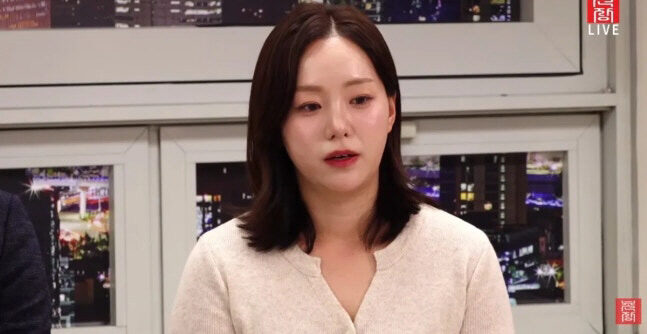
In a poignant concluding remark that highlighted the profound psychological toll of the ordeal, Ok Soon appealed directly to the public, stating, "My situation has reached the point where even basic social life is difficult."
Broader Implications for Unscripted Television and Cyber Safety
The ordeal faced by Ok Soon and Young Ho serves as a stark case study in the contemporary challenges facing participants of unscripted television and reality dating programs. In recent years, South Korean reality television has achieved unprecedented global and domestic popularity, transforming ordinary individuals into overnight celebrities. However, this sudden elevation into the public eye frequently occurs without adequate institutional support systems to prepare contestants for the realities of digital fame and intense scrutiny.
The phenomenon of online vigilantism—manifested through relentless rumor-mongering, the fabrication of personal scandals, and coordinated offline attacks such as review bombing—highlights systemic vulnerabilities in the digital ecosystem. When viewers project intense emotional investments onto edited television narratives, the boundary between the personas presented on screen and the actual human beings behind them often dissolves. This parasocial aggression frequently results in severe real-world consequences, ranging from acute psychological distress to professional ruin.
Legal experts and media analysts have increasingly called for stricter regulations and more proactive measures from both broadcasting networks and digital platforms. While networks bear a responsibility to safeguard the mental health and safety of their cast members both during and after production, legislative frameworks must also evolve to provide more efficient mechanisms for prosecuting severe defamation, doxxing, and cyberbullying.
Ok Soon’s decision to publish a point-by-point refutation of fifteen distinct rumors represents a notable departure from the traditional strategy of silent endurance often advised by public relations handlers. By taking direct control of the narrative and coupling her statements with threats of unyielding legal action, she is testing the viability of active pushback against digital malice. Whether this aggressive stance will deter malicious commentators or serve as a broader precedent for reality television stars navigating the treacherous waters of internet culture remains to be seen. Nevertheless, the situation stands as a sobering reminder of the urgent need for greater digital empathy and accountability in the modern media landscape.