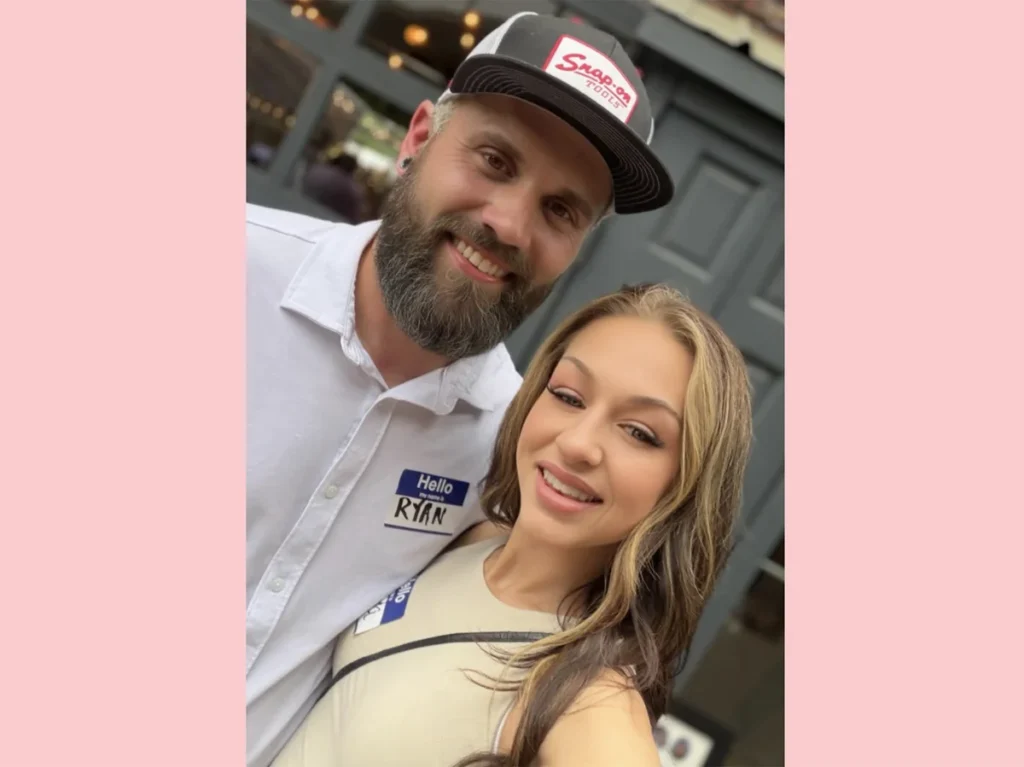

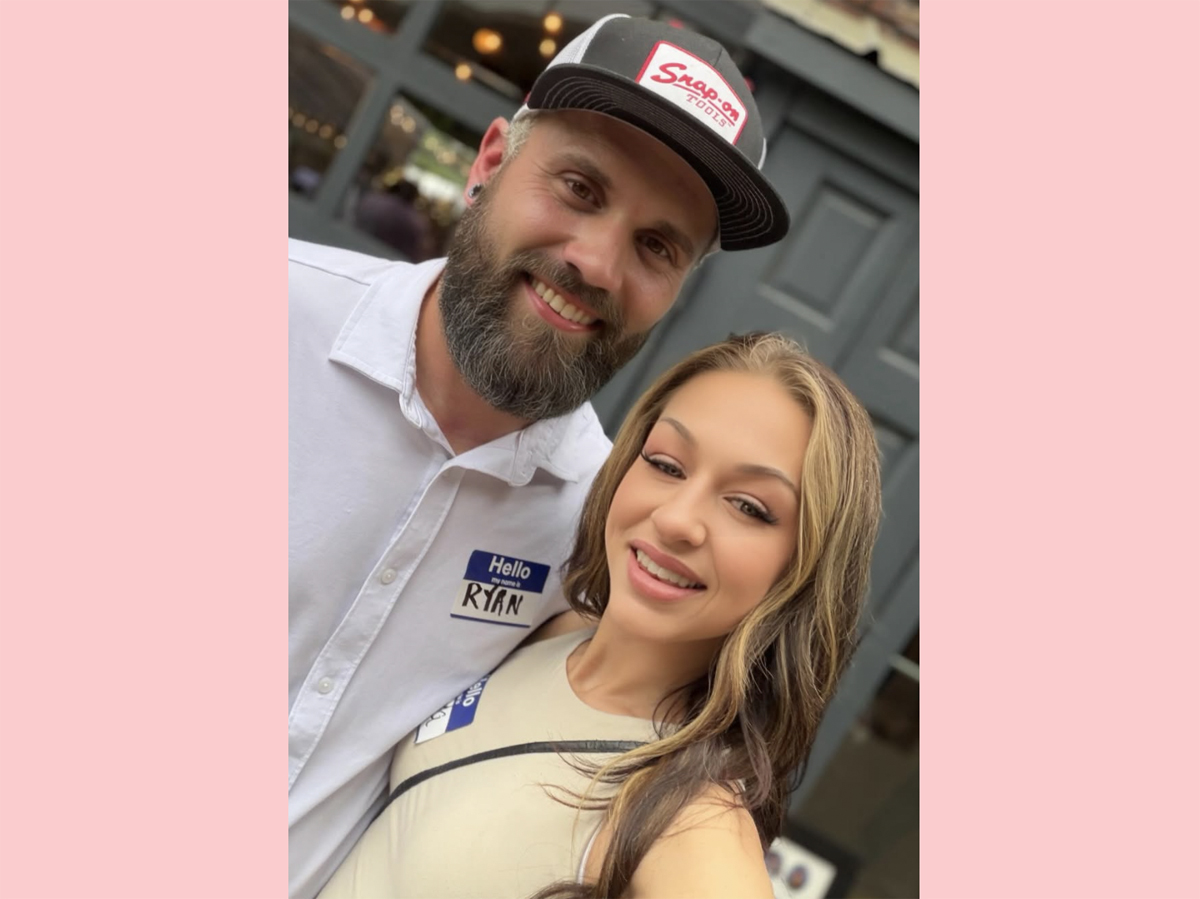
The personal life of television personality Ryan Edwards has once again entered the public sphere following a series of conflicting statements issued by his wife, Amanda Conner, on the social media platform TikTok. The situation, which initially appeared to be a public admission of marital infidelity, was later walked back by Conner, who characterized the incident as a significant misunderstanding involving digital harassment and unauthorized use of a private telephone number.
The Initial Allegations: A Weekend of Public Distress
The controversy began on Sunday, October 25, 2026, when Amanda Conner posted a video to her personal TikTok account. In the footage, which has since been deleted, Conner expressed profound emotional distress, alleging that she had discovered evidence of infidelity. The video was characterized by its raw, emotional tone, with Conner describing the exhaustion of working seven days a week to support her household, only to allegedly find evidence of betrayal.
During this initial broadcast, Conner suggested that the discovery was not an isolated incident. Her comments implied a recurring pattern of behavior, stating, “I was so good to this motherf**ker. And this is how I get repaid. It’s like, and this is not even the first time it’s happened.” The video quickly garnered significant attention, prompting widespread speculation across social media platforms regarding the stability of the couple’s marriage. Conner concluded her initial statement by offering a cautionary warning to her followers about the volatility of romantic relationships, emphasizing her intent to focus on her own well-being and that of her children.
Retraction and Clarification: The "Escort Service" Misunderstanding
By Monday afternoon, the narrative surrounding the incident shifted entirely. In a subsequent video, Conner addressed her previous claims, stating unequivocally that Ryan Edwards had not engaged in physical or emotional infidelity. Instead, she provided a detailed account of what she described as a malicious, ongoing campaign directed at her husband.
According to Conner, an unidentified third party has been systematically distributing Edwards’ private phone number by registering it on various escort service websites. This activity, she alleged, has resulted in Edwards receiving unsolicited text messages, imagery, and communications from individuals associated with those services.
Conner explained that her initial, impulsive reaction stemmed from finding these specific messages and photographs on her husband’s device. “I found the text message and pictures in his phone and I flipped the f**k out crying,” she stated. “Plus I came to the internet and that’s what happened.” She further clarified that there was no "follow-through" on the part of her husband, insisting that the digital footprints she discovered were the product of the external harassment campaign rather than consensual communication or illicit behavior.
Contextualizing the Public Persona of Ryan Edwards
Ryan Edwards, a figure familiar to audiences of reality television, has long lived a life subject to intense public scrutiny. Known for his appearances on the long-running series Teen Mom, Edwards’ life—including his struggles with substance abuse, legal issues, and complex family dynamics—has been documented extensively.
For followers of reality television, the scrutiny placed upon Edwards is not a new phenomenon. His previous relationships and legal challenges have often played out in the public eye, creating a landscape where private familial disputes are frequently amplified by media outlets and social media commentary. The incident involving Conner highlights the intersection of private marital friction and the hyper-visibility inherent in the lives of public figures. When a spouse of a well-known personality shares grievances on a public platform, the reaction is often immediate and disproportionate, as followers of the franchise frequently feel invested in the outcomes of these relationships.
Digital Harassment and the Vulnerability of Public Figures
The claim that a private individual’s phone number was weaponized via third-party websites raises significant questions regarding digital safety and harassment. While the veracity of the claim—that the messages were purely the result of an escort service solicitation and not genuine infidelity—remains internal to the couple, the mechanics of such harassment are well-documented.
Digital "doxing" or the intentional misuse of personal contact information to incite emotional distress in a relationship is a growing concern in the age of social media. By placing a target’s phone number on service-oriented websites, bad actors can trigger a flood of unwanted notifications, which often leads to domestic friction, particularly when a partner is unaware of the source of these communications. This strategy is frequently used by those seeking to disrupt or sabotage the personal lives of public figures, knowing that the resulting confusion can lead to the type of public outbursts seen in this instance.
Analysis of the Public Reaction
The trajectory of this incident—from an explosive allegation of infidelity to a measured retraction—serves as a case study in the dangers of "impulsive" social media use. In the modern news cycle, the deletion of a post does not equate to its removal from the public consciousness. Once an allegation is broadcast to thousands of followers, it is often captured, shared, and analyzed by third-party outlets, ensuring the narrative persists long after the original content is taken down.
Experts in public relations often advise individuals in the public eye to refrain from addressing personal crises on social platforms until all facts have been verified. Conner’s own admission, where she stated, “I should have never came to the internet with it. Second of all, I should have done a little bit more digging,” underscores the remorse often felt when personal disputes are treated as public content.
Impact on the Family Dynamic
While Conner has sought to repair the narrative by stating that she and Edwards are "just like every other couple" who experience ups and downs, the event has inevitably invited renewed focus on their marriage. The couple’s ability to navigate these challenges, particularly when they are subject to external harassment, will likely remain a point of interest for the public.
Furthermore, the mention of legal or identity-related harassment suggests that the couple may be facing broader security issues. If, as Conner alleges, an individual is repeatedly compromising Edwards’ digital privacy, it may necessitate formal intervention from law enforcement or cybersecurity experts to prevent future instances of such emotional, and potentially reputation-damaging, disruption.
Moving Forward
As of this writing, there have been no official comments from representatives for Ryan Edwards, nor have there been reports of legal action taken against the alleged perpetrators of the digital harassment. The episode remains, for now, a resolved personal matter that gained traction due to the high-profile nature of the subjects involved.
The incident serves as a stark reminder of the volatility of modern digital communication. For figures who live their lives on the periphery of the entertainment industry, the boundary between private struggle and public spectacle is increasingly porous. Whether the explanation provided by Conner will satisfy the curiosity of the public remains to be seen, but the situation highlights a broader trend of how personal grievances in the digital age are no longer confined to the home, but are instead played out in the global arena of social media.
In the final assessment, the events of this past weekend serve as a cautionary narrative regarding the intersection of emotional impulse and digital permanence. As Conner works to clarify the reality of her domestic situation, the episode remains a testament to how quickly misinformation, or misunderstandings, can escalate when the tools of digital dissemination are utilized in a moment of crisis. For the parties involved, the priority moving forward will likely be the restoration of privacy and the cessation of the harassment that Conner claims triggered the entire ordeal.