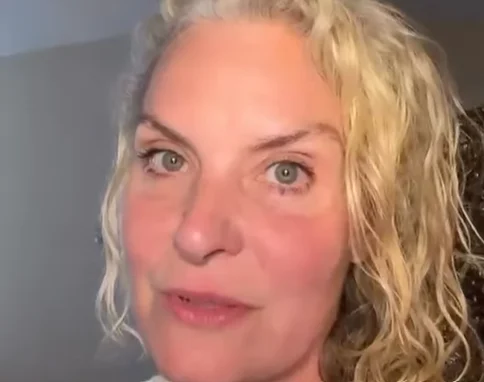

Actress Tracy Shaw, a beloved figure renowned for her iconic role as Maxine Peacock in ITV’s long-running soap opera Coronation Street, has publicly announced her diagnosis with breast cancer. The 52-year-old star shared the deeply personal news in an emotional video posted on Instagram on Friday night, revealing that she is preparing to embark on an intensive five-month course of chemotherapy. Her candid revelation has prompted an outpouring of support from fans, former co-stars, and the wider public, highlighting the profound impact of public figures sharing their health journeys.
A Candid Revelation from a Beloved Star
In a visibly emotional yet resolute address to her followers, Shaw explained the challenging situation unfolding in her life. "I have come on just to explain a situation that is happening in my life," she began, her voice tinged with emotion. "I’ve been diagnosed with breast cancer." The announcement came after a period of absence from social media, which she acknowledged, expressing gratitude to friends and fans who had reached out to "check how I am." Her transparency provided a raw and honest glimpse into the immediate aftermath of such a life-altering diagnosis, underscoring her bravery in choosing to share her vulnerability with the world.
Shaw’s announcement immediately resonated across social media platforms, drawing thousands of messages of solidarity and encouragement. Her decision to share her journey publicly not only offers a personal account of navigating a cancer diagnosis but also serves as a powerful testament to the importance of awareness and support for those facing similar challenges. She concluded her message by extending her heartfelt love and solidarity to "all the women who are going through this at the same time or have just gone through this process," adding, "And all the women who have gone through this in the past, who have shown the light and the path for us to follow." This message positioned her not just as a patient, but as a beacon of hope and a fellow traveller on a difficult path.
The Road Ahead: A Revised Treatment Plan
Shaw elaborated on the complexities of her treatment plan, revealing that initial expectations for surgery had been revised following further test results. "I was originally going to have surgery in two weeks," she explained, detailing the swift initial plan. However, subsequent diagnostic evaluations led to a strategic shift in her medical approach. Instead of immediate surgical intervention, she will now undergo five months of chemotherapy. This initial phase of treatment is designed to target and potentially reduce the size of the cancerous lumps before moving on to the next critical stage.
Following the chemotherapy, Shaw anticipates undergoing surgery "to have lumps removed and take the lymph glands out." This multi-stage approach is a common strategy in oncology, particularly when dealing with breast cancer, where chemotherapy may be administered pre-operatively (neoadjuvant chemotherapy) to shrink tumours, making subsequent surgery more effective and sometimes less invasive. The removal of lymph glands is a crucial step to assess if the cancer has spread beyond the primary site, which is vital for staging the disease and guiding further treatment decisions. Her candid explanation offered insight into the often-evolving nature of cancer treatment plans, which are tailored based on individual patient profiles and the specific characteristics of the cancer. This nuanced detail underscores the advanced, personalized care pathways characteristic of modern cancer treatment.
Tracy Shaw’s Enduring Legacy on Screen
Tracy Shaw’s professional life has been largely defined by her impactful portrayal of Maxine Peacock in Coronation Street. Her tenure on the cobbles from 1995 to 2003 cemented her status as one of the show’s most recognisable and beloved characters, leaving an indelible mark on British television.
Maxine Peacock: An Iconic Coronation Street Figure
Maxine Peacock, the bubbly and often dramatic hairdresser, quickly became a fan favourite due to her spirited personality and relatable storylines. Her character’s journey on Coronation Street was multifaceted, encompassing romances, friendships, and eventually, one of the soap’s most unforgettable and harrowing plots. Maxine’s marriage to Ashley Peacock (played by Steven Arnold) was a central storyline, portraying a loving but sometimes turbulent relationship that resonated with viewers. Her friendships with other female characters provided both comedic relief and moments of profound emotional depth, showcasing Shaw’s versatility as an actress.
However, it was Maxine’s tragic demise that etched her into the annals of Coronation Street history. In a gripping and widely acclaimed storyline, Maxine was brutally murdered by the serial killer Richard Hillman, portrayed with chilling efficacy by Brian Capron. The storyline, which unfolded over several months and culminated in Maxine’s death in January 2003, captivated the nation. An estimated 17.6 million viewers tuned in to watch the episode where Richard Hillman bludgeoned Maxine to death with a crowbar in her own home, making it one of the most-watched episodes in the show’s history and a watershed moment in British soap opera. This storyline not only highlighted Shaw’s dramatic capabilities but also underscored Coronation Street‘s ability to tackle dark, complex narratives that profoundly affect its audience. The murder of Maxine Peacock remains a benchmark for dramatic tension and viewer engagement, demonstrating the powerful connection audiences forged with Shaw’s character.

Beyond the Cobbles: A Varied Career
While Coronation Street provided Shaw with her most prominent role, her acting career has extended beyond the famous cobbles. After departing the soap, she continued to explore diverse acting opportunities across various television dramas and stage productions. Notably, she appeared in "The Blue Room" in 2003, showcasing her talents in a different theatrical context. Her work post-Coronation Street demonstrated her commitment to her craft and her desire to take on new challenges, further cementing her reputation as a versatile performer. In her personal life, Tracy Shaw is a mother of two, a role she balances with her professional endeavours. Her continued presence in the public eye, albeit in different capacities, ensures that her announcement carries significant weight, reaching a broad audience familiar with her from her prime-time television days.
A Wave of Support from Fellow Stars and the Public
Following her poignant announcement, Tracy Shaw received an immediate and overwhelming outpouring of support, particularly from her former Coronation Street colleagues. The tight-knit community of the soap opera rallied around the mother-of-two, demonstrating the enduring bonds forged on set.
Samia Longchambon, who has portrayed the character of Maria Connor in Coronation Street since 2000, was among the first to extend her well wishes, simply stating, "Sending love to you Tracy." Her message, concise yet heartfelt, conveyed a deep sense of care and solidarity. Another former Corrie star, Sally Ann Matthews, known for her role as Jenny Bradley, echoed the sentiment with an equally touching message: "Love you baby girl x." These personal messages from individuals who shared significant parts of their professional lives with Shaw underscore the strong camaraderie that often develops within long-running television productions.
Beyond her immediate circle of former colleagues, the broader Coronation Street fan base and the general public inundated Shaw’s social media channels with messages of comfort, encouragement, and shared experiences. Comments ranged from expressions of shock and sympathy to personal anecdotes from individuals who had navigated their own battles with cancer, offering advice and hope. This collective response highlighted the profound connection that viewers often feel with actors who have been a consistent presence in their lives, treating them almost as extended family members. The visible show of support from both peers and the public serves as a powerful reminder of the human capacity for empathy and the strength that can be drawn from a supportive community during challenging times.
Understanding Breast Cancer: Statistics, Treatment, and Early Detection
Tracy Shaw’s diagnosis brings into sharp focus the pervasive reality of breast cancer, a disease that affects millions globally and is the most common cancer among women worldwide. Understanding its prevalence, treatment modalities, and the critical importance of early detection is paramount.
The Landscape of Breast Cancer in the UK
In the United Kingdom, breast cancer statistics underscore the significant public health challenge it represents. Approximately one in seven women in the UK will be diagnosed with breast cancer during their lifetime. This translates to around 55,000 new cases identified annually, making it a leading cause of cancer-related mortality among women, though survival rates have significantly improved over recent decades. While breast cancer can affect women of all ages, the risk increases with age, with the majority of cases occurring in women over 50. Tracy Shaw, at 52, falls within this demographic, making her diagnosis a stark reminder of the disease’s prevalence in mid-life. Although less common, men can also develop breast cancer, accounting for about 370 cases each year in the UK. Risk factors are varied and include genetic predispositions, lifestyle choices such as alcohol consumption and obesity, and hormonal factors, though many cases occur without any clear identifiable risk factors.
Navigating Treatment Pathways
The treatment for breast cancer is highly individualised and depends on several factors, including the type and stage of cancer, its hormone receptor status, and the patient’s overall health. As Tracy Shaw’s case illustrates, treatment plans can also evolve. Common treatment modalities include:
- Surgery: This is often the primary treatment. It can involve a lumpectomy (removing only the tumour and a small amount of surrounding tissue) or a mastectomy (removing the entire breast). In many cases, lymph nodes in the armpit are also removed (lymph node dissection or sentinel lymph node biopsy) to check for cancer spread.
- Chemotherapy: This uses powerful drugs to kill cancer cells throughout the body. It can be administered before surgery (neoadjuvant chemotherapy) to shrink large tumours, making them easier to remove, or after surgery (adjuvant chemotherapy) to destroy any remaining cancer cells and reduce the risk of recurrence. Shaw’s revised plan for five months of chemotherapy before surgery suggests a neoadjuvant approach, aiming to improve surgical outcomes.
- Radiotherapy: Uses high-energy rays to destroy cancer cells in a specific area, often following lumpectomy to reduce recurrence risk.
- Hormone Therapy: Used for hormone receptor-positive breast cancers (cancers that grow in response to hormones like oestrogen or progesterone). These drugs block hormones or stop the body from producing them.
- Targeted Therapy: Drugs that specifically target certain characteristics of cancer cells, such as HER2-positive breast cancer.
- Immunotherapy: A newer treatment that helps the body’s immune system fight cancer.
The multidisciplinary approach to cancer care involves a team of specialists, including oncologists, surgeons, radiologists, and nurses, working collaboratively to determine the most effective treatment strategy for each patient.
The Critical Importance of Early Diagnosis
Early detection is unequivocally the most critical factor in improving breast cancer prognosis and survival rates. When breast cancer is found early, while it is small and has not spread, treatment is often more successful. Key methods for early detection include:

- Mammograms: The NHS Breast Screening Programme invites women aged 50 to 71 for mammograms every three years. Regular screening can detect cancers before they are large enough to be felt.
- Self-Examination: While not a substitute for screening, regularly checking one’s breasts for changes – such as lumps, skin changes, nipple discharge, or pain – is crucial. Women are encouraged to become familiar with their breasts’ normal appearance and feel.
- Prompt Medical Consultation: Any suspicious changes should be reported to a GP without delay. Swift investigation can lead to earlier diagnosis and treatment.
Advancements in medical research and technology have significantly improved breast cancer survival rates. In the UK, more than 8 out of 10 women diagnosed with breast cancer now survive for five years or more. This positive trend underscores the impact of screening programmes, improved treatments, and increased public awareness, all of which contribute to better outcomes for patients like Tracy Shaw.
The Broader Impact of Public Figures Sharing Health Journeys
When public figures like Tracy Shaw share their personal health battles, the ripple effect extends far beyond individual sympathy, creating significant societal benefits in terms of awareness, destigmatisation, and community building.
Raising Awareness and Encouraging Screening
A celebrity cancer diagnosis often acts as a powerful catalyst for public health campaigns. Shaw’s revelation, widely reported across national media, instantly amplifies the message about breast cancer. It reminds millions of people, particularly women within the demographic most affected, of the importance of vigilance regarding their own health. Such announcements frequently lead to an increase in inquiries to health helplines, bookings for screening appointments, and discussions among friends and family about symptoms and prevention. This phenomenon, sometimes referred to as the "Angelina Jolie effect" or "Kylie Minogue effect" in previous contexts, demonstrates how a well-known individual’s story can transcend personal struggle to become a potent public health tool, potentially saving lives through earlier detection and intervention. Her candour reinforces the message that cancer does not discriminate, affecting individuals from all walks of life, and that proactive health measures are universally important.
Destigmatisation and Community Building
For many, a cancer diagnosis can be isolating, often accompanied by fear, uncertainty, and sometimes, a sense of shame or a reluctance to discuss the illness openly. When a celebrity like Tracy Shaw speaks out, it helps to normalise the conversation around cancer. By openly discussing her diagnosis and treatment plan, she contributes to destigmatising the disease, making it easier for others to talk about their experiences, seek support, and feel less alone. This public vulnerability fosters a sense of solidarity and community among patients and survivors. Shaw’s direct message of love and support to "all the women who are going through this at the same time or have just gone through this process" exemplifies this community-building aspect. It creates a shared narrative, transforming a private battle into a collective experience of resilience and mutual encouragement.
Statements from Health Organisations and Charities
Leading breast cancer charities in the UK, such as Breast Cancer Now and Macmillan Cancer Support, frequently commend public figures for sharing their health journeys. While specific statements regarding Tracy Shaw’s announcement were not immediately available, it is common for such organisations to issue general statements highlighting the immense value of such disclosures. These statements typically emphasise that:
- Public voices are crucial: Celebrities help to break down barriers and encourage vital conversations about cancer.
- Awareness saves lives: Increased awareness of symptoms and the importance of screening can lead to earlier diagnosis, which is key to better outcomes.
- Support is available: These announcements serve as a reminder that extensive support services—from emotional counselling to financial advice—are available for patients and their families.
- Research is vital: They also underscore the ongoing need for funding and participation in cancer research to improve treatments and ultimately find a cure.
Medical professionals and healthcare providers also generally welcome such public discussions, as they can lead to more engaged patients and a greater understanding of complex medical processes. They often stress the importance of individuals following medical advice and utilising available screening programmes, reinforcing that while celebrity stories are inspiring, personal medical care is paramount.
A Message of Hope and Solidarity
Tracy Shaw’s courageous decision to share her breast cancer diagnosis marks the beginning of a challenging personal journey, yet it simultaneously lights a path for countless others. Her emotional yet resolute message on Instagram, extending love and solidarity to fellow women facing similar battles, transcends her individual experience, transforming it into a collective narrative of hope and resilience.
As she prepares for an extensive five-month course of chemotherapy, followed by surgery, Shaw embodies the strength and determination often found in those confronting life-altering diagnoses. Her public platform, cultivated over years as a beloved television personality, now serves a new and profound purpose: to raise awareness, destigmatise cancer discussions, and foster a vital sense of community among patients, survivors, and their loved ones. The outpouring of support from former colleagues and the wider public underscores the deep connection people feel with her, reinforcing the power of empathy and collective encouragement during times of adversity. Tracy Shaw’s journey ahead is undoubtedly arduous, but her willingness to share it openly not only garners her immense personal support but also contributes significantly to the broader fight against breast cancer, reminding everyone of the critical importance of early detection, comprehensive care, and unwavering human solidarity.