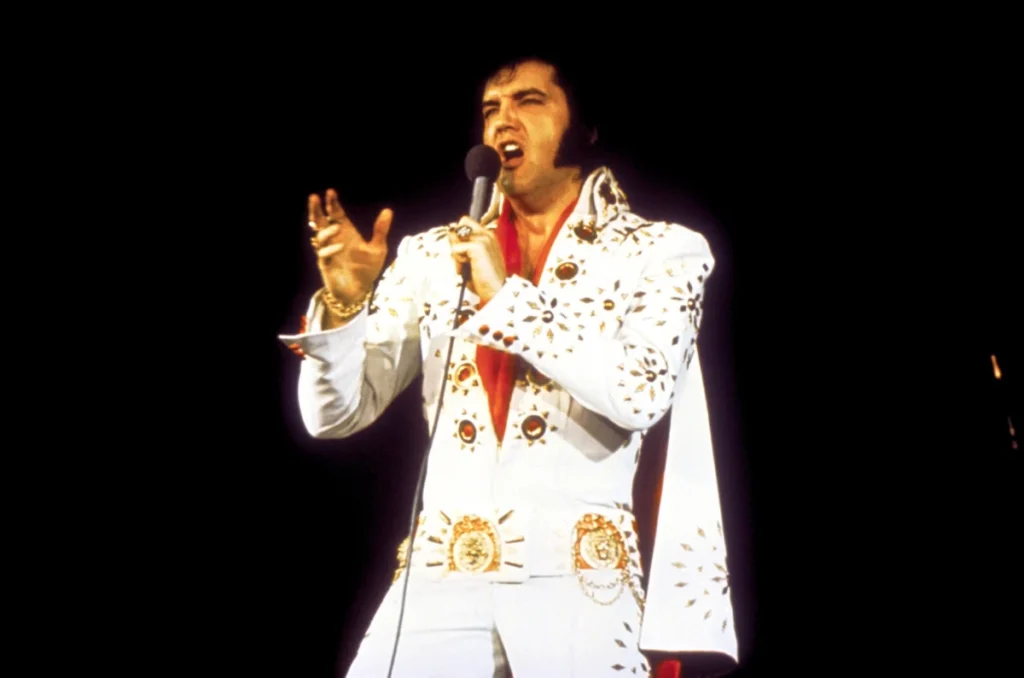

The estate of one of the most influential cultural figures in modern history has dramatically escalated the music industry’s ongoing confrontation with artificial intelligence. A legal entity representing the intellectual property of Elvis Presley filed a federal lawsuit against Anthropic, the artificial intelligence company behind the conversational assistant Claude. The complaint accuses the tech enterprise of widespread, systematic copyright infringement by allegedly utilizing hundreds of the legendary rock-and-roll artist’s master compositions to train its generative models without authorization or compensation.
Filed in federal court, the legal action targets the unauthorized ingestion of 274 copyrighted musical works associated with Presley. Among the cited titles are timeless musical standards that shaped global popular culture, including “Can’t Help Falling in Love,” “Don’t Be Cruel,” “A Little Less Conversation,” “All Shook Up,” “Return to Sender,” and “(You’re The) Devil in Disguise.” The lawsuit represents a significant escalation in scale and stature for creators fighting back against large-scale data scraping practices common within the artificial intelligence sector.
The Legal Framework and Core Allegations
The complaint was brought forward by a corporate unit of Authentic Brands Group—the global brand development and licensing firm that controls the vast majority of Presley’s intellectual property, trademark branding, and name, image, and likeness rights—alongside co-plaintiff entities holding catalog interests. Noted litigator Richard Busch, renowned for representing major music industry figures in landmark copyright disputes, serves as the lead counsel for the plaintiffs.
According to legal filings, Anthropic built its commercial artificial intelligence business model upon a foundation of mass copyright infringement. The core of the legal dispute hinges on the controversial training phase inherent to generative AI models. To achieve sophisticated language and semantic understanding, companies like Anthropic routinely copy millions of text files, books, and artistic works, digesting them into algorithmic parameters without explicit licensing agreements from copyright holders.

The plaintiffs argue that this unauthorized reproduction constitutes direct and secondary copyright infringement. Furthermore, the lawsuit contends that the outputs generated by these models frequently function as unauthorized derivative works, capitalizing commercially on the distinct artistic expression embedded in Presley’s historic recordings and lyric sheets.
Broader Industry Context and Precedents
This legal confrontation does not occur in a vacuum. Over the past several years, the music industry has mobilized aggressively against technology corporations deploying generative artificial intelligence. Major recorded music companies—including Universal Music Group, Sony Music Entertainment, and Warner Music Group—have initiated numerous high-stakes lawsuits against various AI innovators.
Much of the early music litigation targeted AI-centric generation tools such as Suno and Udio. Those battles yielded mixed strategic developments. While companies like Warner Music Group ultimately reached settlement agreements with Suno to establish formal, licensed pathways forward, other major labels have maintained aggressive litigation tracks against platforms that refuse to license copyrighted catalogs.
Anthropic, as a major foundational model developer rather than a purely vertical music generator, has faced extensive scrutiny from creative industries across multiple sectors. Major book publishers, authors, songwriters, and music publishing conglomerates have previously dragged the artificial intelligence giant into court over the scraping of copyrighted literary works and lyric databases. However, the inclusion of the Elvis Presley estate brings an unprecedented cultural heavyweight into the courtroom, shifting the narrative from corporate catalog defense to the preservation of foundational American musical heritage.
Background on Lead Counsel Richard Busch
The appointment of Richard Busch as lead attorney signals the gravity with which the Presley estate is pursuing this matter. Busch possesses a storied history of prosecuting precedent-setting intellectual property cases within the entertainment industry.

In the 2000s, Busch represented rap icon Eminem in landmark litigation addressing digital distribution rights and master licensing frameworks. Years later, he secured a heavily debated and globally scrutinized federal court victory representing the estate of soul legend Marvin Gaye against Robin Thicke and Pharrell Williams. That jury verdict determined that the 2013 pop hit "Blurred Lines" infringed upon the copyright of Gaye’s 1977 classic "Got to Give It Up," fundamentally altering how songwriters and publishers evaluate compositional inspiration versus unlawful appropriation. By deploying Busch against Anthropic, the Presley estate has signaled its intent to aggressively challenge the foundational legal defenses currently relied upon by the tech sector.
The Defense of Fair Use and Tech Sector Arguments
At the heart of the legal battle is the doctrine of fair use. Technology companies universally maintain that the reproduction of copyrighted materials during the training phase of a large language model or generative engine falls securely under fair use protections. Industry defenders argue that scraping public data and copyrighted text to teach machines grammar, syntax, style, and historical context is transformative, akin to a human student studying classic literature or historical musical scores to learn how to write.
Conversely, copyright holders and music publishers reject this analogy. They argue that commercial artificial intelligence models are direct market substitutes built using misappropriated labor and capital, designed to generate competing derivative content without returning royalties to the creators or rightsholders. Because federal courts have yet to establish a definitive, nationwide appellate precedent regarding generative AI training and fair use, billion-dollar stakes hang in the balance as judges across various jurisdictions begin parsing complex technological realities through centuries-old copyright statutes.
Industry Implications and Future Outlook
As this lawsuit proceeds through the federal judiciary, its outcomes could profoundly reshape the legal parameters governing how artificial intelligence companies source training data. If courts rule that utilizing copyrighted song catalogs to train foundational models without a license constitutes infringement, tech firms could face retroactive damages numbering in the billions of dollars. More importantly, such a ruling would force the artificial intelligence industry to entirely overhaul its data-acquisition methodologies, making voluntary licensing agreements with music publishers, estates, and independent artists an absolute operational necessity.
Conversely, a judicial ruling favoring Anthropic under the fair use defense would validate the current operational practices of Silicon Valley developers, severely limiting the legal leverage available to creators and rightsholders seeking to protect their artistic legacies. Representatives for Anthropic have not yet issued a formal public response to the complaint. As the case develops, it stands to serve as a bellwether for the future coexistence of cutting-edge computing technology and intellectual property law in the digital age.