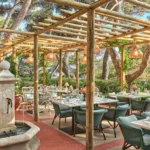

For those who have followed the meteoric rise of the Los Angeles-based lifestyle brand Flamingo Estate, the allure has always extended beyond the products themselves. The company, which transformed from a private residence in the hills of Highland Park into a global purveyor of luxury garden-to-home goods, has cultivated an aesthetic defined by botanical opulence and curated eccentricity. Now, for the first time in the brand’s history, the public is being granted access to the physical artifacts that have shaped that visual identity. The Flamingo Estate Archive Sale, which commenced recently and is scheduled to run through September 27, represents a departure from the brand’s traditional retail model, shifting from mass-market consumables to one-of-a-kind, high-end collectible liquidation.
The event, hosted online, features a curated selection of housewares, furniture, and vintage decor that have served as the literal backdrop for the brand’s high-profile marketing campaigns and product photography. Unlike the brand’s standard e-commerce offerings—which include their viral Heirloom Tomato Hand Soap and artisanal pantry staples—this archive event operates on a bidding basis. With each item represented by a single, unique unit, the sale emphasizes scarcity and provenance, inviting collectors to acquire pieces that have historically remained within the private domain of the estate’s founders.
A Chronology of the Brand’s Evolution
The story of Flamingo Estate is rooted in the transformation of a 1940s-era home once owned by a prominent adult film star into a modern-day Eden. Under the stewardship of founder Richard Christiansen, the property became an experimental hub for sustainable agriculture and a platform for artisanal collaboration.
The brand’s trajectory can be divided into three distinct phases:
- The Inception (2020): Launching during the onset of the global pandemic, Flamingo Estate capitalized on the "nesting" trend. By pivoting from hospitality and event planning to direct-to-consumer lifestyle goods, the brand tapped into a market desperate for sensory comfort.
- The Growth Phase (2021–2023): Through strategic partnerships with high-end retailers and the cultivation of a "cult" following on social media, the brand expanded its reach. The focus shifted toward luxury personal care, characterized by sophisticated packaging and botanical themes.
- The Archive Event (2024): The current sale marks the maturation of the brand’s retail strategy. By opening its "vault," the company is essentially commodifying its own history, allowing loyalists to own pieces of the brand’s physical legacy.
Data-Driven Insights into the Luxury Resale Market
The move to host an archive sale aligns with broader economic trends observed in the luxury home goods sector. According to market research analysts, the secondary market for high-end home decor has seen a compound annual growth rate (CAGR) of approximately 7.8% over the past three years. Consumers are increasingly prioritizing "investment-grade" home items—objects that possess provenance or artistic significance—over mass-produced alternatives.
Flamingo Estate’s decision to include items like the Ettore Sottsass for Lagostina Accademia Coffee Set and various Gaetano Pesce-inspired sculptures speaks to this consumer shift. By offering pieces that carry historical design weight alongside its standard retail inventory, the company is positioning itself not merely as a merchant of soap and candles, but as a curator of a specific lifestyle aesthetic. The 60% markdowns on select bath and pantry items serve as a strategic entry point, drawing traffic to the platform where the high-ticket, one-of-a-kind items are positioned as the main attraction.
The Intersection of Commerce and Curated Living
The archive sale offers a rare glimpse into the logistical reality of a brand that has built its reputation on the "dreamy" imagery of its Los Angeles location. Many of the items for sale have been featured in the brand’s promotional materials, creating a psychological connection for the consumer. When a customer purchases a vintage Himalayan turquoise-inlaid teapot or a specific piece of postmodern furniture, they are effectively purchasing a slice of the brand’s narrative.
Industry observers note that this type of "lifestyle liquidating" is an effective way to clear out inventory while simultaneously reinforcing brand equity. By framing the sale as an "archive," the brand avoids the stigma of a standard clearance event, instead presenting the liquidation as an exclusive opportunity for design enthusiasts to own a piece of "Estate history."
Product Diversity and Consumer Opportunity
While the headline-grabbing items are undoubtedly the rare, high-value art pieces, the sale also provides a practical utility for the brand’s core customer base. The inclusion of pantry staples—such as white truffle-infused olive oil and rare honeys—alongside personal care items, ensures that the sale remains accessible to those who may not be in the market for a four-figure sculpture.
The dual nature of the sale—balancing the high-concept art pieces with everyday luxuries—reflects the brand’s broader philosophy of "elevated domesticity." A consumer might arrive for the soap but stay to browse the vintage ceramics, effectively increasing the time spent on the platform and the likelihood of a multi-category purchase.
Implications for the Lifestyle Retail Sector
The success of this sale will likely serve as a barometer for other lifestyle brands considering similar archival strategies. The ability to leverage internal design history into a revenue-generating event demonstrates a sophisticated understanding of consumer psychology. In an era where digital fatigue is high, the tangible, one-of-a-kind nature of the items in the Flamingo Estate archive offers a compelling reason for consumers to engage.
Furthermore, the environmental aspect cannot be overlooked. By repurposing items that have already served their purpose in photography sets, the brand is engaging in a circular retail model. This aligns with the sustainability ethos that Flamingo Estate has consistently marketed, effectively turning a logistical necessity (clearing storage space) into a mission-aligned retail event.
Looking Ahead: The September 27 Deadline
As the September 27 deadline approaches, the competitive nature of the bidding process for the archive items will likely intensify. Because each piece is unique, the sale creates a "first-come, first-served" or "highest bidder" pressure that is common in fine art auctions but relatively rare in the lifestyle e-commerce space.
For the average consumer, the lesson remains clear: the archive is a finite resource. Once the inventory is exhausted, the opportunity to acquire these specific remnants of the brand’s aesthetic will pass. Whether one is a serious collector of postmodern housewares or a fan of the brand’s signature rosemary-scented body washes, the sale represents a significant moment in the brand’s evolution.
Conclusion
Flamingo Estate has successfully navigated the transition from a niche, experience-driven brand to a significant player in the global luxury market. The archive sale is a testament to the power of storytelling in retail. By inviting the public into its private collection, the brand is not just moving inventory; it is deepening the bond with its customer base, validating its aesthetic, and proving that even in a digital-first economy, the history of an object matters. As the sale proceeds, the items that once occupied the quiet, sun-drenched halls of the Los Angeles estate will find new homes, carrying with them the narrative of a brand that has fundamentally changed how consumers view the intersection of the home, the garden, and the art of daily living.