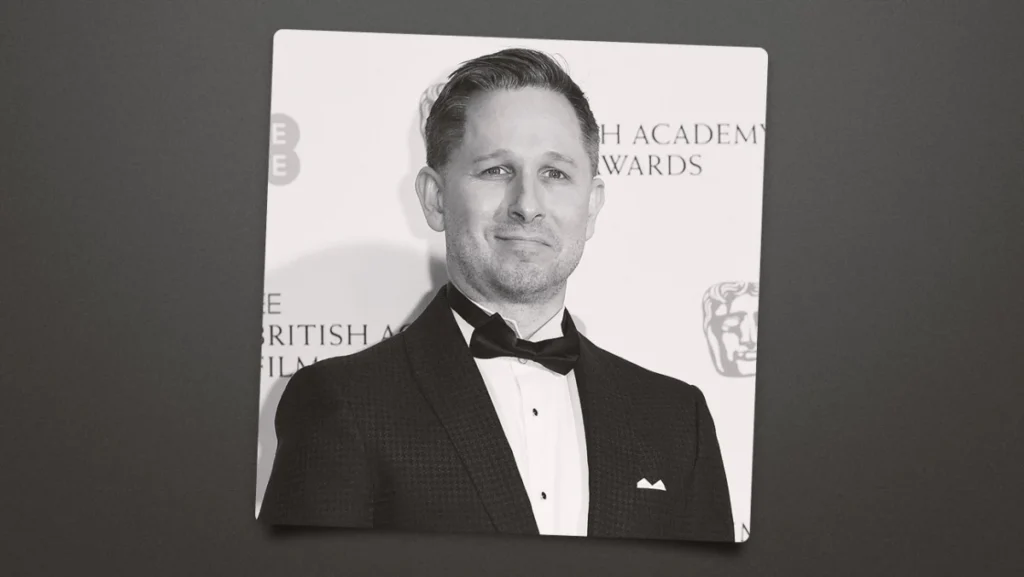

The global film community is mourning the loss of Elliot Graham, a celebrated and prolific film editor whose remarkable career shaped some of the most memorable cinematic and television projects of the past two decades. Graham, whose exceptional contributions to the art of editing earned him an Academy Award nomination and a BAFTA Award, died by suicide on Saturday in Los Angeles, according to records provided by the County of Los Angeles Medical Examiner. He was 50 years old.
Known for his keen narrative intuition, collaborative spirit, and technical precision, Graham worked alongside some of the industry’s most prominent directors, including Gus Van Sant, Danny Boyle, Bryan Singer, Cary Joji Fukunaga, and Aaron Sorkin. His portfolio spans blockbuster superhero franchises, intimate biographical dramas, high-octane action films, and prestige television. Beyond his technical proficiency, peers and collaborators frequently remembered him as a generous creative partner whose touch was vital to the emotional and structural cohesion of the films he cut.
Early Life and Entrance into the Industry
Born on June 8, 1976, in Claremont, California, Graham demonstrated an early fascination with the mechanics of storytelling and visual media. Growing up during a transformative era in American cinema, he developed an appreciation for how pacing, rhythm, and montage could alter the emotional landscape of a story. After honing his craft and navigating the demanding landscape of Hollywood’s post-production sector, Graham secured his first major professional credit as a film editor on the 2001 thriller The Last Minute, directed by Stephen Norrington.
The early 2000s marked a period of rapid professional growth for the young editor. Following his debut, Graham transitioned into larger-scale studio productions, taking on additional editing responsibilities for director Bryan Singer on the hit superhero sequel X2: X-Men United (2003). Impressed by his diligence and creative instincts, Singer subsequently entrusted Graham with the primary editing seat for the ambitious tentpole Superman Returns (2006). During this same period, Graham demonstrated his versatility by cutting Bill Paxton’s biographical sports drama The Greatest Game Ever Played (2005), proving his ability to handle character-driven narratives just as capably as sprawling visual effects spectacles.
Critical Acclaim and Collaboration with Gus Van Sant
Graham’s career reached a major turning point in 2008 when he edited Gus Van Sant’s critically acclaimed biographical drama Milk. Written by Dustin Lance Black and starring Sean Penn in an Oscar-winning performance as Harvey Milk—the first openly gay man elected to public office in California—the film was a triumph of political and social storytelling. Graham’s editing skillfully wove together archival footage with newly shot dramatic scenes, creating a tense, vibrant, and deeply human portrait of the historic civil rights struggle.
The film was a major awards contender, receiving eight Academy Award nominations, including a Best Picture nod. Graham himself earned a well-deserved Oscar nomination for Best Film Editing, cementing his reputation as one of the industry’s premier talents.
Dan Jinks, the Oscar-nominated producer of Milk, paid tribute to Graham on social media following the news of his passing. Writing on Facebook, Jinks reflected on the editor’s indispensable contribution to the project, noting that the film “wouldn’t have come together in the way it did without [Graham’s] amazing work.”
Building on their successful collaboration, Graham and Van Sant reunited for the 2011 romantic drama Restless, starring Mia Wasikowska. The film showcased a more subdued, melancholic side of Graham’s editing style, emphasizing lingering emotional beats and delicate pacing.
A Versatile Career Across Genres
Throughout the 2010s, Graham maintained a relentless work ethic, lending his talents to a wide array of genres. His filmography reflects an unusual willingness to pivot between commercial blockbusters and intellectually demanding auteur-driven projects.
In 2008, he cut the heist thriller 21, directed by Robert Luketic. Several years later, he served as the editor on Trash (2014), directed by Stephen Daldry. However, his partnership with visionary director Danny Boyle on Steve Jobs (2015) stands as another towering achievement in his career. Working from a dense, dialogue-heavy screenplay by Aaron Sorkin and starring Michael Fassbender, Graham had to construct a narrative structured around three major product launches, each taking place in real-time backstage settings. The film required meticulous timing and relentless momentum to match Sorkin’s rat-a-tat dialogue and Boyle’s kinetic visual style.
Graham’s relationship with Sorkin continued when he served as the editor for Molly’s Game (2017), Sorkin’s directorial debut about Olympic skier-turned-underground poker ring organizer Molly Bloom. Graham’s sharp cuts and dynamic montage sequences helped maintain the breathless pace of the biographical crime drama.
Entering the realm of major cinematic universes, Graham brought his expertise to Anna Boden and Ryan Fleck’s Captain Marvel (2019), starring Brie Larson. As part of the Marvel Cinematic Universe, the film required complex integration of visual effects, continuity management across a sprawling franchise, and clear action choreography—demands that Graham managed with characteristic precision.
In addition to his primary editing credits, Graham contributed additional editing expertise to several notable projects, including The Amazing Spider-Man 2 (2014), I Am Michael (2015), and Cary Joji Fukunaga’s harrowing war drama Beasts of No Nation (2015).
Expanding into Television and Final Masterpiece
In 2018, Graham expanded his creative footprint into television by serving as both a producer and film editor on the FX anthology series Trust. Chronicling the harrowing 1973 kidnapping of teenager John Paul Getty III, the series allowed Graham to stretch his storytelling capabilities across a longer, serialized format, maintaining tension and psychological depth over multiple episodes.
Graham’s final credit proved to be a historic and triumphant one. He teamed up with director Cary Joji Fukunaga for the James Bond epic No Time to Die (2021). Editing a franchise entry of that magnitude requires balancing decades of cinematic legacy with modern action choreography, emotional character arcs, and narrative closure for Daniel Craig’s tenure as 007. Graham shared a BAFTA Award nomination and win for Best Editing alongside co-editor Tom Cross, a fitting capstone to a brilliant cinematic career.
The Broader Impact of Film Editing and Industry Reflection
The passing of Elliot Graham has prompted widespread reflection within the Hollywood community regarding the often-unseen pressures placed upon creative professionals. While film editors work behind the scenes, their impact on the final product is fundamental. Often referred to as the final writers of a film, editors piece together thousands of hours of footage, shaping performances, correcting structural flaws, and establishing the emotional heartbeat of a cinematic work.
Industry analysts and guilds frequently note that the intense demands of post-production—marked by tight deadlines, high financial stakes, and grueling hours—can take a severe toll on the mental health of industry workers. In the wake of Graham’s death, colleagues, professional organizations, and mental health advocates have emphasized the critical importance of fostering supportive environments within the entertainment industry, encouraging open conversations about mental health, and ensuring that resources are readily available for artists struggling behind the scenes.
Legacy and Remembrance
Elliot Graham leaves behind a body of work that will continue to be studied by aspiring filmmakers and appreciated by audiences worldwide. From the gritty political trenches of San Francisco in Milk to the frenetic backstage energy of Steve Jobs, and from the cosmic battlegrounds of Captain Marvel to the somber espionage of No Time to Die, his contributions ensured that complex human emotions and thrilling narratives resonated clearly on screen.
As tributes continue to pour in from directors, producers, editors, and fans, Graham is remembered not only for his impressive list of credits and accolades, but for his dedication to the collaborative magic of filmmaking. His legacy remains permanently etched into the history of modern cinema through the timeless art he left behind.
If you or someone you know is struggling or in crisis, help is available. In the United States, you can call or text 988 or chat at 988lifeline.org to reach the Suicide & Crisis Lifeline. If you are outside the United States, please contact your local emergency services or a mental health support hotline in your area.