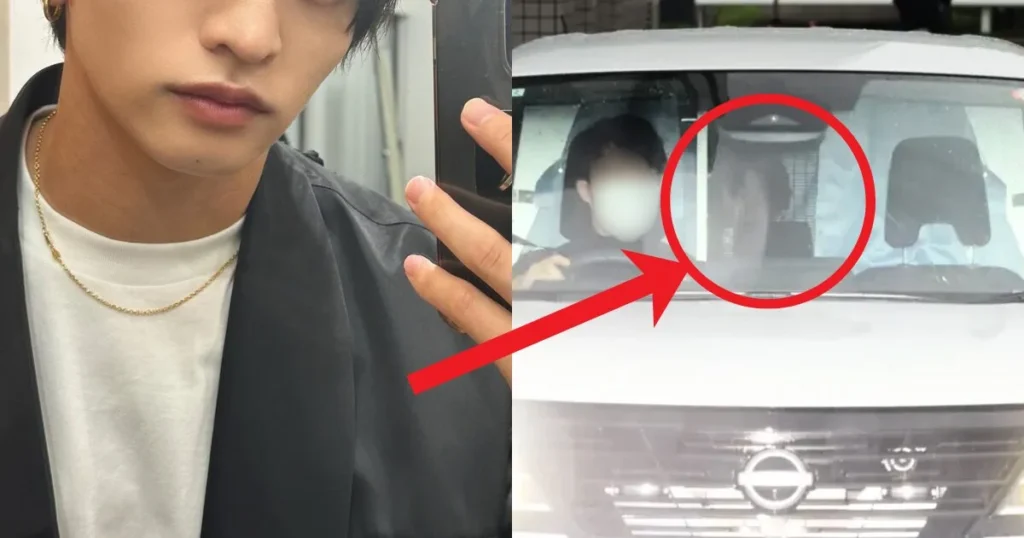

The entertainment industry in Japan has once again been rocked by a high-profile legal scandal involving a prominent celebrity, casting a harsh spotlight on accountability, the responsibilities of public figures, and the swift repercussions that follow criminal allegations. Inomata Shuto, a member of the popular J-Pop idol group timelesz, managed by STARTO Entertainment, was arrested on September 19 following an alleged domestic violence incident involving his romantic partner. The gravity of the situation prompted immediate administrative actions from his agency, individual public apologies from his fellow bandmates, and sudden broadcasting revisions by major television networks. As the case moves forward through the Japanese legal system—having recently been forwarded to prosecutors—the incident has ignited intense public discourse regarding celebrity conduct, the safety of intimate partners, and the stringent moral clauses governing the Asian entertainment landscape.
Chronology of Events and the Alleged Incident
The sequence of events leading to Inomata Shuto’s arrest unfolded rapidly on September 18. According to investigative reports released by local law enforcement, the alleged assault took place inside a stationary vehicle parked within a convenience store parking lot located in Tatsumi, situated in Tokyo’s Koto Ward.
Investigators state that an argument broke out between Inomata and his girlfriend inside the car. The dispute escalated physically, with allegations that the idol struck the victim in the face multiple times. The confrontation left the woman with visible injuries, notably a bloody nose. In a desperate bid for safety and assistance, the victim managed to escape the vehicle and run directly into the nearby convenience store. Once inside, she sought immediate refuge and reported to staff and responding authorities that her romantic partner, identified as the celebrity, had physically assaulted her.
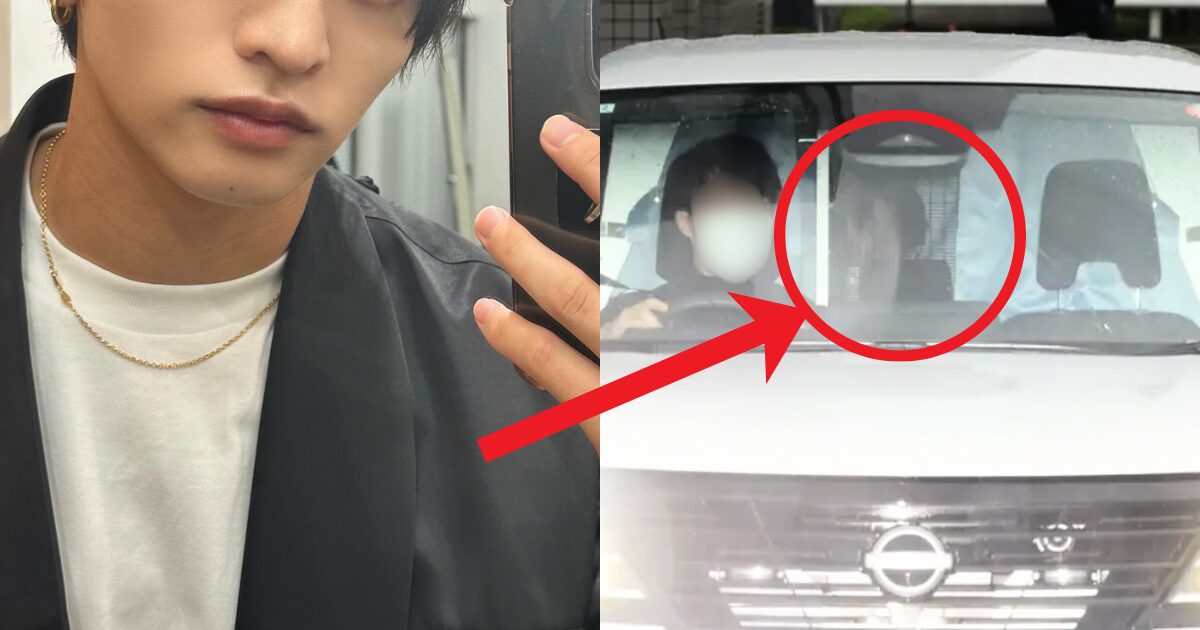
Police arrived at the scene shortly after receiving the emergency call. Following an initial assessment of the situation and the gathering of witness statements and physical evidence, law enforcement detained Inomata on suspicion of assault. The swift police response set off an immediate crisis management protocol within STARTO Entertainment, his management agency, which found itself forced to address a major criminal allegation involving one of its active performers.
Agency and Group Response: Apologies and Disciplinary Measures
Within hours of the public confirmation of Inomata’s arrest, STARTO Entertainment issued a formal statement addressing the incident. The agency expressed profound regret over the situation, offering a direct apology to the victim for the physical and psychological harm caused. Furthermore, the company announced the immediate suspension of Inomata Shuto from all entertainment and group activities with timelesz, signaling that his future within the industry hangs in the balance pending the conclusion of the legal proceedings. STARTO Entertainment also pledged full cooperation with law enforcement and judicial authorities as the investigation continues.
The repercussions extended rapidly to the remaining seven members of timelesz. Recognizing the severe damage to the group’s collective reputation and the gravity of the allegations, the other members took the unusual step of sharing individual, deeply personal apologies through their paid fan club platform.
Kikuchi Fuma, a prominent member of timelesz, shared a candid and remorseful statement reflecting the collective mood of the ensemble. “It pains me deeply and leaves me at a loss for words that things have reached the point where a member has been arrested,” Kikuchi wrote. “I am extremely disappointed, ashamed, and filled with regret.”

The emotional weight of the statements reflected not only personal betrayal among colleagues but also an acute awareness of the collective responsibility carried by idols in Japan, where group branding is intimately tied to individual behavior.
Broadcasting Revisions and Media Fallout
The entertainment industry’s zero-tolerance approach toward criminal allegations was immediately reflected in the media response. Major television networks, which operate under strict self-regulatory guidelines regarding the visibility of individuals under criminal investigation, moved swiftly to distance their programming from the scandal.
Nippon Television (NTV) was among the first to announce substantive programming changes. Network executives confirmed that timelesz was scheduled to appear in an upcoming broadcast of the popular program “120 Million Thank Yous: Song of Gratitude Festival.” In light of the arrest, NTV stated that production teams would actively edit the footage to remove or minimize Inomata’s presence, ensuring that the broadcast could proceed without featuring the arrested idol. Other media outlets and corporate partners are widely expected to review ongoing endorsements, promotional campaigns, and scheduled media appearances featuring the group, calculating the potential fallout of maintaining association with a tainted brand.
Background Context: The Structure of timelesz and STARTO Entertainment

To fully understand the magnitude of this incident, it is essential to examine the context of the group timelesz and its governing agency. The group itself carries a rich history within the Japanese idol sphere, having undergone significant structural transformations. Originally debuting under a different moniker within the Johnny & Associates legacy, the group rebranded to timelesz following widespread corporate restructuring within the agency.
STARTO Entertainment was established in the wake of massive corporate changes following historical scandals that shook the foundations of Japan’s premier talent agency. In an effort to rebuild public trust, foster a transparent corporate culture, and shed the controversial legacies of the past, STARTO Entertainment instituted rigorous compliance standards and behavioral guidelines for its roster of talent. Within this sensitive corporate climate, an arrest for violent crime is viewed not merely as an individual legal issue, but as a severe existential threat to the agency’s ongoing efforts to project corporate rehabilitation and modern governance.
Legal Implications and Prosecution Process
With the case having been formally sent to prosecutors, Inomata Shuto faces a critical phase in the Japanese legal system. Japan’s judicial framework is characterized by a notably high conviction rate, and prosecutors hold broad discretionary powers regarding whether to formally indict a suspect, pursue a summary trial, or drop charges based on settlements or lack of evidence.
In cases involving alleged domestic violence and physical assault, prosecutors typically weigh several factors, including the severity of the victim’s injuries, the presence of a prior criminal record, whether a private settlement has been reached between the perpetrator and the victim, and the level of remorse demonstrated by the suspect. Should the case proceed to a formal trial and result in a conviction, Inomata could face substantial fines or imprisonment, which would effectively spell a permanent end to his career in the entertainment industry. Even in the event of a suspended sentence or a negotiated settlement, the reputational damage sustained by an idol accused of domestic violence is historically insurmountable in the Japanese market.

Broader Social Implications and Industry Standards
The arrest of Inomata Shuto has reignited a broader conversation in Japanese society regarding domestic violence, gender-based safety, and the cultural expectations placed upon public figures. Advocacy groups and legal experts frequently point out that high-profile cases involving celebrities offer an educational opportunity to discuss the prevalence of domestic abuse and the necessity of robust institutional support for victims.
Simultaneously, the incident highlights the unique pressures of the Japanese idol industry. Idols are marketed as idealized role models, often cultivating parasocial relationships with fans that rely on an image of approachability, purity, and moral rectitude. When these images are shattered by criminal behavior, the backlash is swift, multi-layered, and financially punitive. Agencies, fearful of consumer boycotts and sponsor withdrawal, frequently resort to immediate contract suspensions and indefinite hiatuses to insulate the collective group from the actions of a single individual.
As the legal proceedings against Inomata Shuto advance, the members of timelesz face the arduous task of rehabilitating their group identity under a cloud of controversy. Whether the group can successfully navigate this crisis and distance its collective brand from the actions of its former member will depend heavily on the transparency of the ongoing investigations, the final decisions rendered by prosecutors and the courts, and the evolving expectations of an increasingly discerning public.