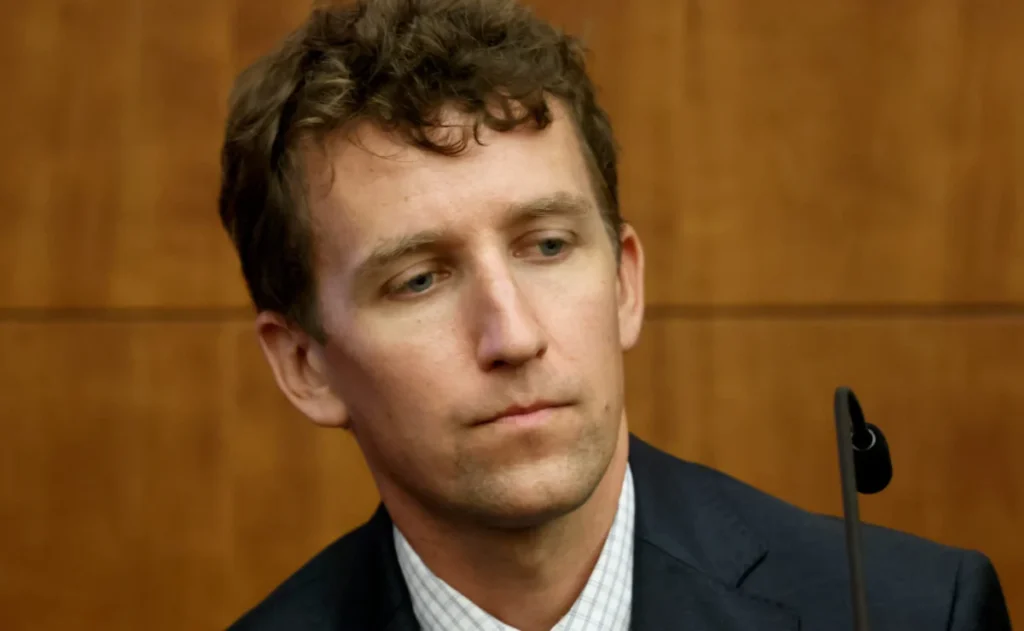

In a rare and deeply personal television appearance, Patrick Clancy sat down with CBS journalist Ross Douthat on the September 20 episode of 60 Minutes to address the harrowing events of January 2023 and the subsequent legal proceedings that ended in a mistrial earlier this month. For the first time since the judicial process regarding the death of his three children reached an impasse, Clancy sought to dismantle the vitriolic conspiracy theories that have proliferated online, while providing a harrowing account of the tragedy that claimed the lives of his family.
The Tragedy in Duxbury: A Chronology of Events
On January 24, 2023, the quiet coastal town of Duxbury, Massachusetts, became the epicenter of a national tragedy. Patrick Clancy returned to his family home after running routine errands to find an unthinkable scene. His three children—5-year-old Cora, 3-year-old Dawson, and 8-month-old Callan—had been strangled with exercise bands. His wife, Lindsay Clancy, was found on the premises having sustained life-threatening injuries after jumping from a second-story window in an apparent suicide attempt. She survived the fall but remains paralyzed from the waist down.
The subsequent investigation revealed a disturbing narrative centered on the intersection of severe mental health crises and parental responsibility. Lindsay Clancy was charged with three counts of first-degree murder. Her defense team, led by attorney Kevin Reddington, argued that she was suffering from postpartum psychosis—a rare but severe psychiatric emergency characterized by delusions, hallucinations, and a complete detachment from reality—at the time of the incident.
The legal proceedings culminated on September 4, 2026, when a judge declared a mistrial. The complexity of the psychiatric evidence, coupled with the emotional weight of the testimonies, led to a deadlocked or inconclusive judicial outcome, leaving the legal future of the case in flux. A status hearing is currently scheduled for September 29, 2026, during which prosecutors are expected to outline their intentions regarding a potential retrial.
Confronting the Conspiracy Narrative
During his interview with 60 Minutes, Patrick Clancy expressed significant distress over the misinformation circulating on social media platforms. In the months following the tragedy, various online forums became breeding grounds for unfounded claims suggesting that Patrick himself played a role in the deaths of his children.
"It’s deeply harmful to the legacy of my children," Clancy stated, his voice steady but heavy with grief. "It is a huge distraction from what really matters here, which is perinatal mental health. And it’s done real harm to real people—myself included, but also others."
Clancy noted that the persistence of these "lie after lie" narratives has made it nearly impossible for him to exist in public spaces without feeling scrutinized or endangered by those who have been radicalized by disinformation. He emphasized that the focus on baseless conspiracies detracts from the urgent need for systemic reform in how the medical community screens for and treats postpartum mental health disorders.
The Final Days of Callan
One of the most poignant moments of the broadcast was Clancy’s recollection of his youngest son, Callan. In the immediate aftermath of the discovery, Callan was transported to a hospital in critical condition. For four days, Clancy held onto a fragile, desperate hope that his son might survive.
"I remember that night, I really thought there was a chance that Callan would live," he recounted. "I remember just thinking, ‘Just give me one—just give me one kid, and I would raise him as best as I could.’ I was holding out hope for that."
The reality of the medical prognosis eventually set in, leading to a quiet, devastating final goodbye. Clancy expressed profound gratitude for those final four days, during which he was able to hold his son, lay beside him, and provide comfort as he passed away. This reflection serves as a stark reminder of the human cost that often gets buried beneath the sensationalist headlines of high-profile murder trials.
The Complexity of Forgiveness and Mental Illness
A central point of contention for many observers has been Clancy’s public stance on his ex-wife. Despite the unimaginable nature of the crime, he has consistently maintained that Lindsay was a victim of her own deteriorating mental state. He explicitly rejected the labels of "monster" or "baby killer" often deployed by the media.
"I believe that it was her mental illness that caused that," he explained. When questioned about his capacity for forgiveness, Clancy noted that his decision to forgive was as much for his own survival as it was for her. "I also felt that if I didn’t get there, I would be eaten up inside forever."
When asked if he had questioned Lindsay about her memory of the event, Clancy revealed that her recollection remains fractured. "I asked her if she remembered it," he said. "She said it was like a dream, and that she remembered it much in the way you’d remember a dream after waking up." This clinical description aligns with the defense’s argument regarding the dissociative nature of the psychosis she was experiencing during the event.
Perinatal Mental Health: The Urgent Call to Action
Beyond the personal tragedy, the Clancy case has catalyzed a broader discussion regarding the adequacy of the American healthcare system in addressing perinatal and postpartum mental health. Statistics from the Centers for Disease Control and Prevention (CDC) indicate that mental health conditions are among the leading causes of pregnancy-related deaths, yet access to specialized psychiatric care for new mothers remains inconsistent across the country.
Advocacy groups have pointed to the Duxbury tragedy as a catalyst for mandatory, universal screening for postpartum mood and anxiety disorders. The implications are clear: without robust support systems, the potential for catastrophic outcomes—both for the mother and the infant—remains unacceptably high. Patrick Clancy’s decision to steer the conversation toward mental health advocacy suggests a desire to find meaning in his loss, potentially through supporting initiatives that provide better resources for families in crisis.
Current Status and Looking Ahead
Patrick Clancy has since attempted to rebuild his life, recently remarrying Dr. Rachel Danis, a reproductive endocrinologist based in New York City. Despite this new chapter, the legal shadow of the January 2023 incident persists. The upcoming September 29 status hearing will be a pivotal moment in the legal history of this case.
Legal analysts observing the situation note that the mistrial presents a difficult decision for the district attorney’s office. A retrial would require the family and the community to relive the trauma of the initial proceedings, while a decision to drop the charges could incite public outcry from those who remain unconvinced of the severity of the mental health defense.
As the case continues to resonate throughout Massachusetts and the nation, the testimony provided by Patrick Clancy on 60 Minutes stands as a testament to the complexities of grief, the limitations of the justice system, and the desperate need for a more compassionate, evidence-based approach to the treatment of mental health crises. By breaking his silence, Clancy has transitioned from a subject of speculation to an advocate for awareness, challenging the public to look past the "monster" headlines and acknowledge the medical tragedy that fundamentally altered his life.
The full interview remains available for viewing on Paramount+, serving as a permanent, firsthand account of the events that claimed the lives of Cora, Dawson, and Callan Clancy. As the legal system prepares for its next move, the focus remains firmly fixed on the balance between accountability and the recognition of psychiatric illness—a balance that will undoubtedly influence the future of legal precedents in cases of postpartum psychosis.