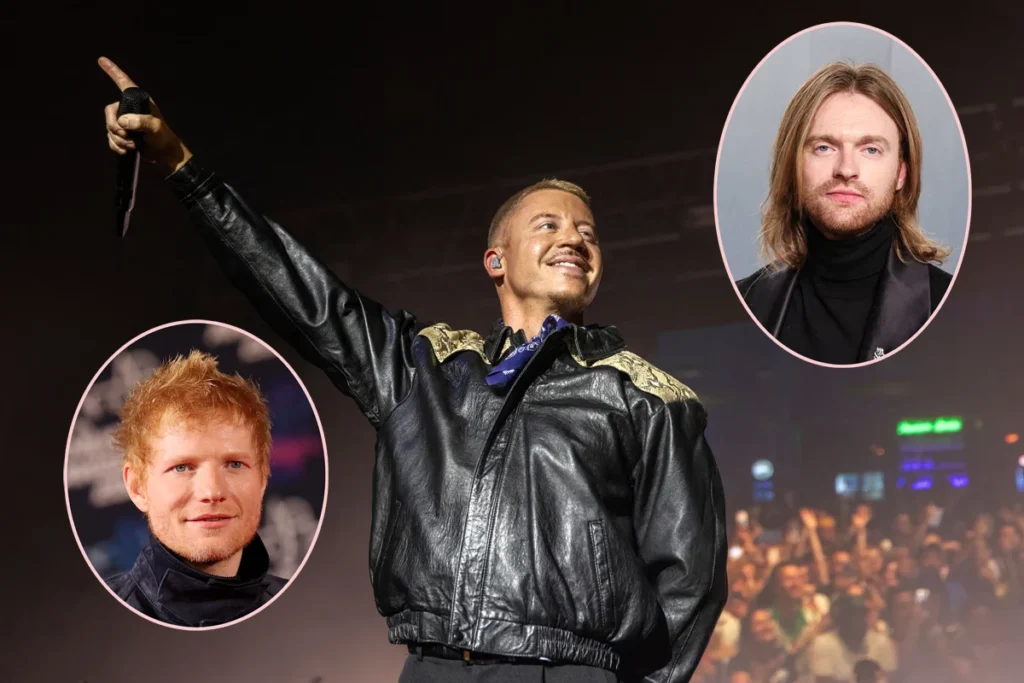

The global music industry is currently navigating a period of intense public scrutiny following a series of high-profile departures from Ed Sheeran’s ongoing "Loop" concert tour. The exodus of supporting artists, which includes prominent musicians such as Finneas, Lukas Graham, Aaron Rowe, and the band Beoga, comes in the wake of the removal of Macklemore from the tour lineup. The controversy centers on the intersection of artistic expression, political advocacy regarding the Israel-Palestine conflict, and the responsibilities of major tour organizers in managing dissenting voices.
The Chronology of the Controversy
The tension began when Macklemore, who was previously slated to join Sheeran’s tour, saw his appearance cancelled following a performance that included explicit commentary and advocacy for the Palestinian cause. The decision to remove the artist was met with immediate backlash from fans and fellow performers who interpreted the move as an act of censorship.
Hours after Ed Sheeran issued a formal statement addressing the situation—attempting to frame the decision as a management-led logistical necessity rather than a political silencing—the supporting acts began their coordinated departure. The timeline of resignations unfolded rapidly across social media platforms, turning a management dispute into a significant cultural flashpoint. Finneas, the Grammy-winning producer and artist, confirmed his withdrawal shortly after, citing a fundamental disagreement with the silencing of artists who speak on behalf of oppressed populations.
Official Statements and Artistic Stances
The departing artists have utilized their platforms to articulate their reasons for leaving, emphasizing that their decisions are rooted in moral and political convictions.
Aaron Rowe, who maintained a personal friendship with Sheeran, issued a nuanced statement that acknowledged their history while firmly rejecting the tour’s current trajectory. "Ed has been a friend to me and has changed my life, I could never thank him enough for this," Rowe wrote. "But as Irish people, we know all too well about genocide, forced famine, and violent occupation." His statement directly challenged the power dynamics of the industry, criticizing individuals in positions of immense wealth for attempting to stifle discourse surrounding human rights issues.
Lukas Graham, the Danish pop band led by Lukas Forchhammer, echoed these sentiments by linking their personal history to their current advocacy. Growing up in Christiania, a self-governed community in Copenhagen, Forchhammer noted that the freedom to speak one’s mind is a core value. The band’s statement emphasized that financial status should not grant individuals the authority to dictate which suffering is "permissible" to discuss in public forums.
Finneas was equally direct in his social media address, stating, "Artists must not be silenced when they speak up for the oppressed. I have decided to withdraw from my upcoming tour dates with Ed Sheeran. I stand with Palestine and its people."
Contextualizing the Industry Shift
The "Loop" tour, one of the most commercially successful global treks of the decade, is now facing a logistical vacuum. The departure of these acts—particularly Finneas, who was scheduled for the South American leg—forces the tour management to reorganize significant portions of their upcoming itinerary.
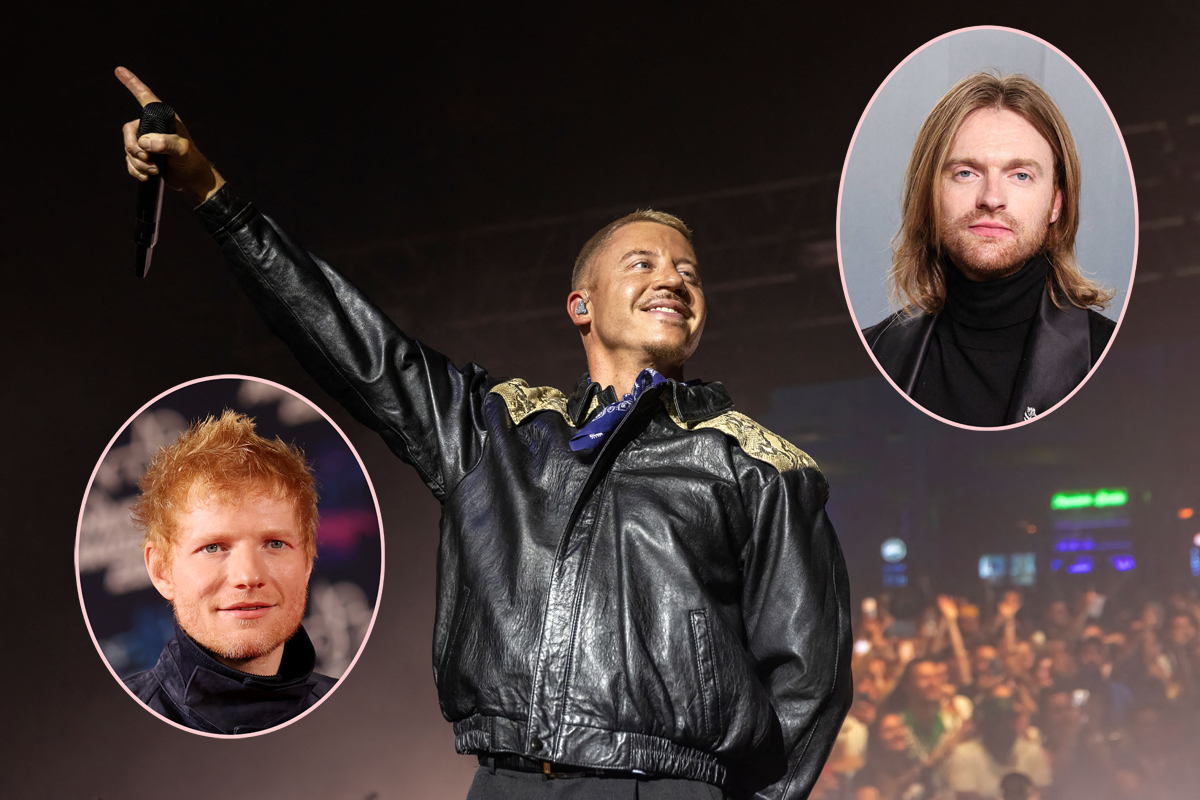
In the broader context of the music industry, this event highlights an increasing trend of artists using their global tours as platforms for geopolitical discourse. Historically, major concert tours were viewed as strictly professional, apolitical environments. However, the rise of digital connectivity and the immediate nature of social media advocacy have shifted these expectations. Artists are now frequently expected by their fan bases to engage with humanitarian crises, and when they feel that an tour environment prevents that engagement, the resulting friction can dismantle even the most meticulously planned logistics.
Economic and Logistical Implications
From an industry management perspective, the loss of support acts of this caliber is a significant operational failure. Supporting acts are not merely "warm-up" performers; they are essential components of the tour’s branding, ticket value, and regional appeal. By losing a diverse roster that spanned international markets, Sheeran’s team must now mitigate the risk of ticket refunds, negative brand association, and the difficulty of booking replacement acts on short notice during a high-demand touring season.
Furthermore, the public nature of these resignations creates a "domino effect." When artists of Finneas’s stature publicly declare their departure on ethical grounds, it pressures other collaborators to justify their continued involvement. This creates a PR challenge for Sheeran’s management team, who must now navigate the balance between maintaining a business-focused touring environment and responding to the ethical concerns raised by their peers.
Analyzing the Power Dynamics
The core of the disagreement lies in the concept of "corporate censorship" versus "contractual compliance." Sheeran’s management likely operated under the assumption that the tour should remain neutral to avoid controversy that could alienate portions of their international audience. However, the responding artists have rejected this model of neutrality, arguing that in the face of mass casualty events, neutrality is tantamount to complicity.
This incident is likely to serve as a case study for future touring contracts. Legal experts in the entertainment sector suggest that there will be an increased push for "morality clauses" or "political expression clauses" to be defined more clearly in future agreements. As it stands, the current rift underscores a growing ideological divide within the music industry: one side prioritizing the sanctity of the tour as a commercial product, and the other viewing the stage as an essential forum for global activism.
The Path Forward
As of now, the North American leg of the "Loop" tour remains in a state of flux. Ed Sheeran has not issued a follow-up statement regarding the loss of his supporting roster, nor has his team announced potential replacements. The industry will be watching closely to see if the tour continues as scheduled or if the sheer volume of artistic protest forces a broader reconsideration of how major concert tours are managed in an increasingly polarized political climate.
For fans, the situation has fundamentally altered the concert experience, transforming a series of scheduled performances into a focal point for the debate over freedom of speech in the arts. Whether or not Sheeran chooses to address the criticisms more directly in the coming days will determine if the tour can regain its momentum or if this controversy will define the legacy of the "Loop" tour for the foreseeable future.
The fallout from these resignations is a testament to the influence individual artists now possess. By choosing to forfeit lucrative tour opportunities in favor of their political principles, these musicians have signaled a departure from the traditional industry model of compliance, signaling that for many in the modern music industry, personal integrity is currently being prioritized over commercial stability. As the industry grapples with these developments, the incident remains a significant milestone in the ongoing conversation about the intersection of pop culture and human rights advocacy.