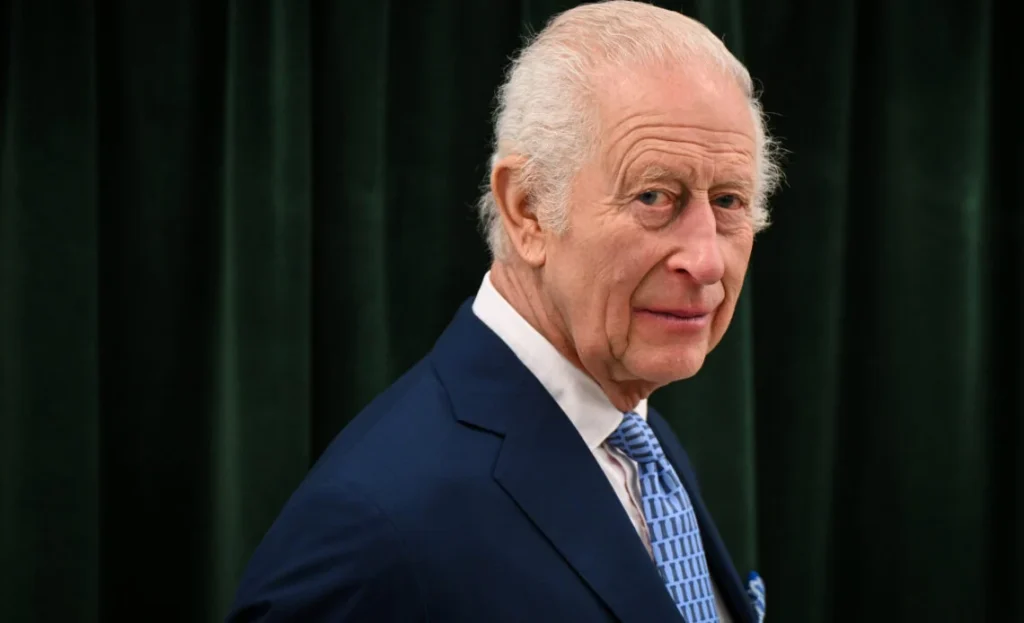

In a remarkable diplomatic and royal intervention, King Charles III has personally smoothed over an international sporting controversy after senior Ugandan military leadership threatened to withdraw the country’s athletes from the upcoming Invictus Games. The brewing crisis, sparked by social media commentary surrounding the status of the Duke and Duchess of Sussex as private citizens, threatened to overshadow preparations for the prestigious international adaptive sports competition. However, swift behind-the-scenes diplomacy orchestrated by Buckingham Palace has successfully restored the nation’s commitment to the tournament.
The incident highlights the complex interplay between modern sovereign diplomacy, institutional protocol, and the global public fascination that perpetually surrounds senior members of the British royal family. The Invictus Games, founded in 2014 by Prince Harry to champion the rehabilitation of wounded, injured, and sick service personnel and veterans, now find themselves navigating sensitive political waters as the event prepares to return to the United Kingdom for the first time in over a decade.
Main Facts and the Catalyst for Controversy
The diplomatic rupture began to take shape when Buckingham Palace issued a routine administrative clarification regarding the official status of Prince Harry and Meghan Markle. The palace confirmed via written communication to United Kingdom military commanders, lord lieutenants, and government officials involved in royal scheduling that the Duke and Duchess of Sussex operate strictly as private citizens. While intended as an internal procedural guideline to streamline official engagements and prevent protocol confusion, the announcement resonated globally.
Seizing upon the clarification, General Muhoozi Kainerugaba, a high-ranking military leader in Uganda and a prominent figure in the nation’s defense apparatus, took to social media late last week. In a series of public posts, General Kainerugaba declared that Uganda would rescind its entry from the Invictus Games. He explicitly cited the "Harry-Meghan nonsense" as the primary motivation for the boycott, framing the decision as an act of respectful solidarity with King Charles III. The general’s announcement immediately raised concerns among organizers and international observers, introducing an unexpected geopolitical dimension to an athletic competition explicitly designed to transcend political divisions.
Chronology of Events
Understanding the rapid escalation and de-escalation of the dispute requires examining the timeline of communications between London and Kampala:
- Early November: Buckingham Palace distributes written guidance to domestic military and civic officials clarifying the private citizen status of the Duke and Duchess of Sussex.
- Mid-November: General Muhoozi Kainerugaba issues public statements via social media announcing Uganda’s withdrawal from the Invictus Games, directly referencing the palace’s announcement and expressing a desire to support the British monarch.
- Late November: Recognizing the potential for diplomatic friction and the unnecessary politicization of an athletic event for wounded veterans, senior palace officials initiate direct contact with Ugandan authorities.
- Monday: Sir Clive Alderton, Principal Private Secretary to The King, places a direct telephone call to General Kainerugaba to clarify His Majesty’s true stance.
- Following the Call: Chris Magezi, spokesperson for the Uganda People’s Defence Force, publicly confirms that Uganda has reversed its decision and will send a team to the Invictus Games after receiving direct assurances from the British monarch’s office.
Official Responses and Behind-the-Scenes Diplomacy
The breakthrough in the standoff occurred during a telephone conversation between Sir Clive Alderton, representing King Charles III, and General Kainerugaba. According to statements released by Chris Magezi, spokesperson for the Uganda People’s Defence Force, the dialogue was instrumental in clearing up misunderstandings regarding the monarch’s sentiments.
Sir Clive reportedly conveyed that while King Charles was deeply moved by the general’s sensitive consideration of the crown and his personal opinion, His Majesty maintained absolute clarity regarding the Invictus Games: the King harbors no objections whatsoever to Uganda’s participation. The sovereign’s message emphasized that the adaptive sports tournament belongs to the international veterans community, and national delegations should not be withheld over extraneous personal or institutional matters involving members of the royal family.
Following the intervention, Ugandan military authorities accepted the clarification with grace. The official reversal ensures that Ugandan athletes—who embody the resilience and dedication championed by the Invictus movement—will not be penalized or excluded due to peripheral royal debates.
Background and Context of the Invictus Games
The Invictus Games represent a cornerstone of modern military rehabilitation. Established by Prince Harry in 2014, the inaugural games were held in London at the Queen Elizabeth Olympic Park, drawing massive crowds and receiving high-profile support from across the political and royal spectrum. Notably, both Prince Charles (now King Charles III) and Prince William attended the opening events, underscoring a unified royal commitment to supporting armed forces personnel.
Since their inception, the Games have expanded globally, hosting successful iterations in Orlando, Toronto, Sydney, The Hague, and Düsseldorf. The core philosophy of the event is to harness the healing power of sport to inspire recovery, support rehabilitation, and generate a wider understanding and respect for those who have served their nations.
The upcoming Invictus Games, scheduled to take place in Birmingham next year, mark a historic homecoming for the movement. Returning to the UK for the first time in over ten years, the Birmingham games are anticipated to draw thousands of competitors, family members, and spectators from dozens of participating nations, making international cooperation and inclusivity paramount to the event’s success.
Broader Impact and Implications
The swift resolution of the Uganda boycott highlights several important dynamics regarding contemporary monarchy and international relations. First, it demonstrates the proactive nature of King Charles III’s private office in managing potential diplomatic friction before it metastasizes into formal international incidents. By utilizing direct, high-level communication rather than allowing misunderstandings to fester in the public sphere, the palace successfully insulated a major charitable and sporting institution from political fallout.
Second, the episode underscores the persistent global interest in the internal dynamics of the British royal family. Even routine administrative updates issued by Buckingham Palace can reverberate across international borders, intersecting with local political figures who project their own interpretations onto royal household decisions.
Finally, the outcome safeguards the core mission of the Invictus Games. By ensuring that Uganda’s athletes remain part of the upcoming Birmingham competitions, the intervention preserves the integrity of an event dedicated entirely to the physical and mental recovery of wounded service personnel. As preparations for the 2025 games continue, organizers can move forward knowing that international solidarity among participating armed forces remains intact, shielded from external controversies by decisive and measured royal diplomacy.