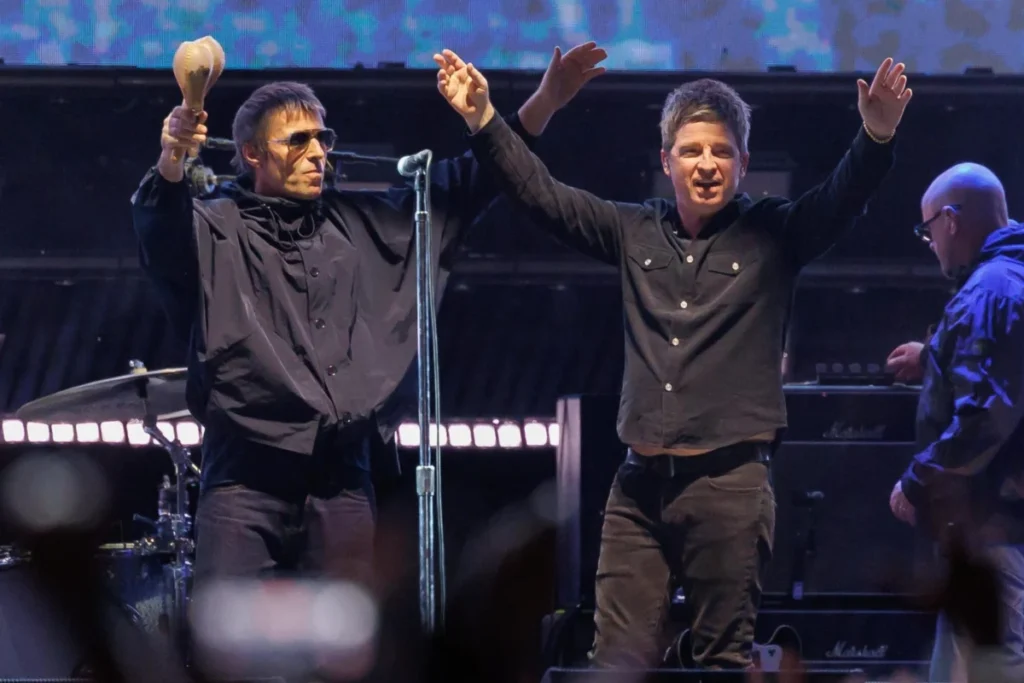

Oasis’s 1996 anthem "Wonderwall" has made a significant return to the Billboard Hot 100, marking its first appearance on the prestigious chart since its original run nearly three decades ago. The resurgence is directly attributed to its adoption as an unofficial anthem by fans of the England men’s national football team during their recent campaign in the 2026 FIFA World Cup. This renewed popularity for the iconic Britpop track coincides with a broader resurgence for the band Oasis, including a recent Rock & Roll Hall of Fame induction and the upcoming release of a documentary chronicling their reunion.
The song re-enters the Billboard Hot 100 for the chart dated July 25, landing at an impressive No. 27. This remarkable comeback is underpinned by robust streaming numbers and increased radio airplay. According to data tracker Luminate, "Wonderwall" garnered 8.7 million chart-eligible U.S. streams between July 10-16, representing a substantial 73% surge week-over-week. Furthermore, the track achieved 2.2 million in all-format radio audience, an increase of 41%, and saw a significant 112% jump in downloads, with 1,000 units sold during the same period.
This surge in the U.S. market mirrors global trends. As previously reported, "Wonderwall" has also climbed the Billboard Global 200 and Billboard Global Excl. U.S. charts. It leaped from No. 26 to No. 4 on the Global 200 and from No. 21 to No. 4 on the Global Excl. U.S. chart. Globally, the song accumulated 35 million streams, a 64% increase, and 4,000 downloads sold, a 78% rise.
A Footballing Phenomenon: "Wonderwall" as England’s Unofficial Anthem
The catalyst for "Wonderwall’s" chart ascent appears to be its widespread adoption by England fans throughout the 2026 FIFA World Cup. Following key matches during the team’s tournament run, which concluded on July 15, supporters were captured on video and social media serenading their team with the beloved Oasis track. This organic fan engagement transformed the 1990s hit into a rallying cry, echoing its original status as a popular singalong anthem.
The emotional resonance of "Wonderwall" with football crowds is not entirely new. Its powerful chorus and anthemic quality have long made it a staple at sporting events and gatherings, fostering a sense of unity and shared experience. During the World Cup, as England navigated the highs and lows of the competition, "Wonderwall" became a soundtrack to the collective hopes and anxieties of the nation’s supporters, solidifying its place in contemporary football culture.
Chart History and Legacy of "Wonderwall"
Originally released in 1996, "Wonderwall" achieved significant chart success in its initial run. It peaked at No. 8 on the Billboard Hot 100 and spent a total of 20 weeks on the chart before its original departure in June 1996. This re-entry marks a remarkable testament to the song’s enduring appeal and its ability to connect with new generations of listeners.
Oasis’s history on the Billboard charts is extensive, particularly within the rock and alternative genres. The band last charted on the Hot 100 in October 2008 with "The Shock of the Lightning," which reached No. 93. More prominently, Oasis has secured six top 10 hits on Billboard’s Alternative Airplay chart:
- "Live Forever" (No. 2, 1995)
- "Wonderwall" (No. 1 for 10 weeks, 1995-96)
- "Champagne Supernova" (No. 1 for five weeks, 1996)
- "Don’t Look Back in Anger" (No. 10, 1996)
- "D’You Know What I Mean?" (No. 4, 1997)
- "Don’t Go Away" (No. 5, 1997)
Their impact extends to the Billboard 200 album chart as well, with three top 10 albums:
- (What’s the Story) Morning Glory? (featuring "Wonderwall") (No. 4, 1996)
- Be Here Now (No. 2, 1997)
- Dig Out Your Soul (No. 5, 2008)
Collectively, "Wonderwall" has amassed an astonishing 1.5 billion official U.S. streams, achieved 1.7 billion in radio reach, and sold 2.9 million downloads to date, highlighting its colossal commercial and cultural footprint.
A Year of Resurgence for Oasis
The renewed popularity of "Wonderwall" is part of a larger narrative of Oasis’s re-emergence in the public consciousness. The band, which famously split in 2009, reunited in 2024, sparking significant fan excitement. This reunion has been marked by several high-profile events that have amplified their legacy.
In April, Oasis was inducted into the Rock & Roll Hall of Fame, a prestigious recognition of their indelible impact on music history. This honor celebrated their influential contribution to the Britpop movement and their enduring appeal across generations.
Further cementing their comeback, the first official trailer for Don’t Look Back in Anger, a documentary chronicling the band’s reunion and their "Live ’25" comeback tour, premiered on July 4. The film is slated for release in theaters and IMAX cinemas on September 11, followed by a global streaming debut on Disney+ and Hulu in the U.S. later this year. This documentary promises to offer fans an intimate look at the band’s renewed collaboration and their ongoing journey.
Statements and Reactions
The resurgence of "Wonderwall" has elicited responses from key figures associated with the band. Noel Gallagher, a principal songwriter and guitarist for Oasis, commented on the song’s newfound connection with the football fans. Speaking to The Sun following England’s World Cup victory over Croatia on June 17, Gallagher reflected on the song’s journey: "‘Wonderwall’ belongs to the people, and it was a magical moment between the people and the players." This sentiment underscores the communal spirit that "Wonderwall" has always embodied, now amplified by its role in a significant national sporting event.
The enthusiastic fan reception during the World Cup, captured across social media and news outlets, has played a crucial role in reintroducing "Wonderwall" to a mainstream audience. The spontaneous singing and celebratory atmosphere surrounding the song at fan gatherings have created a powerful viral effect, driving streams and radio plays.
Broader Implications and Analysis
The phenomenon of "Wonderwall’s" chart resurgence offers several insights into the enduring power of music and its connection to cultural moments. Firstly, it highlights how beloved songs can transcend their original era and find new relevance through unexpected associations. The integration of "Wonderwall" into the fabric of the England World Cup campaign demonstrates music’s ability to act as a unifying force during shared national experiences.
Secondly, this event underscores the cyclical nature of music popularity and the impact of digital platforms. While "Wonderwall" was a massive hit in the 1990s, its re-entry into the Billboard Hot 100 is fueled by the streaming and social media ecosystems of today. The ease with which fans can share and engage with music online has created new pathways for legacy artists to reach contemporary audiences.
The timing of this resurgence, coinciding with Oasis’s Rock & Roll Hall of Fame induction and the release of their reunion documentary, creates a powerful synergy. It amplifies the band’s narrative, reminding both long-time fans and new listeners of their significant contributions to music. This multi-faceted approach to re-engaging with their audience is a strategic and effective way to maintain and grow their legacy.
The continued success of "Wonderwall" and Oasis’s broader comeback story suggest a strong appetite for the band’s music and legacy. As the documentary Don’t Look Back in Anger prepares for its release, it is likely that interest in Oasis’s discography will continue to grow, potentially leading to further chart activity and sustained cultural relevance for one of Britain’s most iconic bands. The story of "Wonderwall" at the 2026 FIFA World Cup is a potent reminder that great songs, much like great sporting moments, can create unforgettable memories and forge lasting connections.