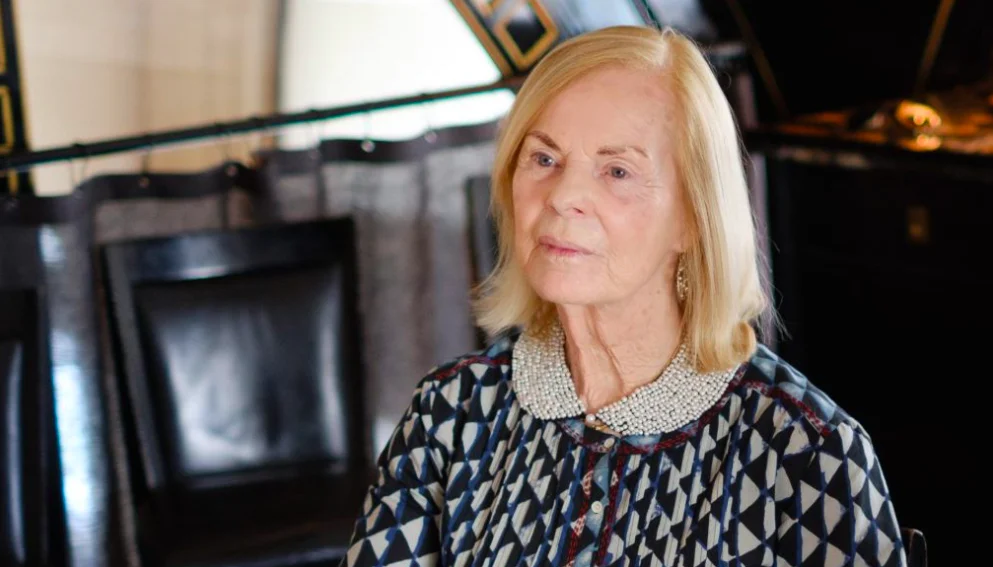

The recently unsealed last will and testament of Katharine Worsley, the Duchess of Kent, has shed light on her final wishes, revealing a significant financial legacy to a cherished musical charity she co-founded and a comprehensive distribution of her substantial estate among her family. The documents, made public following her passing on September 4, 2025, at the age of 92, underscore her enduring passion for music education and her deep familial bonds. The Duchess, who was the oldest member of the British Royal Family at the time of her death, left behind an estate valued at approximately £1,433,696 before liabilities, which were settled to leave a net estate of £1,433,206.
A Lasting Melody: Support for Future Talent
Central to the public revelations of the Duchess of Kent’s will is a £10,000 bequest to Future Talent, the national music charity she established in 2004. This philanthropic gesture highlights her lifelong commitment to nurturing young musical talent, particularly among disadvantaged youth. The charity’s mission, as stated on its official website, is to "break down barriers, create opportunities and harness the power of music to transform the lives of young musicians across the UK." Future Talent aims to achieve this by ensuring that children from all socio-economic backgrounds have access to quality musical training and education.
Nicholas Robinson, the co-founder of Future Talent, offered a poignant tribute to the Duchess, recalling the genesis of their shared vision. He described how Katharine’s experience teaching music to primary school children in East Hull ignited a fervent desire to support all young individuals with musical potential. Robinson emphasized her impatience with existing barriers to progress and her profound belief in empowering others, especially those facing adversity. He noted her active and invaluable role in the charity’s development over two decades, stating, "Katharine has played such an active role in the development and progress of Future Talent during the last 20 years, and we will miss her dreadfully. However, we can take comfort that her legacy will last for many years through the lives of all the present and future generations of young musicians who we will continue to support through the work of ‘Future Talent.’"
The £10,000 donation from the Duchess’s estate is expected to bolster Future Talent’s ongoing initiatives, which include providing scholarships, instruments, and performance opportunities to aspiring young musicians. This significant contribution is a testament to her dedication to ensuring that financial constraints do not impede the blossoming of musical talent in the United Kingdom.
Estate Distribution: A Legacy for Family
The majority of the Duchess of Kent’s estate has been designated for her three children: George, the Earl of St Andrews; Lady Helen Taylor; and Lord Nicholas Windsor. This distribution reflects the deep affection and familial ties she maintained throughout her life. In addition to these primary beneficiaries, the will also details specific bequests to her nine godchildren, each receiving £5,000, a gesture of personal connection and care.
Further details within the will, as exclusively reported by the Daily Mail, indicate that all of the Duchess’s personal possessions were bequeathed to her husband of 64 years, Prince Edward, Duke of Kent. This provision for personal effects, unless specific instructions were left otherwise, underscores the enduring marital bond and mutual respect shared by the royal couple.
The distribution of shares from the Worsley Settlement, her family’s trust, is structured to provide for the Duke of Kent during his lifetime, with the remainder passing to their children thereafter. This arrangement ensures continued financial security for the Duke while ultimately benefiting the next generation. Furthermore, property interests have been allocated to her grandson, Edward Windsor, Lord Downpatrick, signifying a direct inheritance for the younger Windsor lineage.
A Life of Service and Passion
Katharine Worsley, born in 1933, married Prince Edward, Duke of Kent, in 1961. While she stepped down as a full-time working royal in 1996, she remained a beloved and respected figure, maintaining a private life focused on her family and her deeply held interests. Her decision to retreat from public duties allowed her to dedicate more time to her philanthropic pursuits and personal passions, most notably her profound love for music.
Her involvement with Future Talent was not merely a symbolic endorsement; it was born from direct experience and a genuine desire to effect change. As co-founder Nicholas Robinson recounted, her time teaching in East Hull provided her with firsthand insight into the challenges faced by young musicians and fueled her resolve to create a more equitable landscape for musical development. This foundational experience shaped the ethos of Future Talent, emphasizing accessibility and opportunity for all, regardless of background.
The Duchess’s passing at 92 marked the end of an era, not only as the oldest member of the British Royal Family but also as a figure who quietly but powerfully championed causes close to her heart. Her legacy, therefore, is twofold: the enduring impact of her family’s support and the continuing ripple effect of her dedication to fostering the next generation of musical talent through Future Talent.
Broader Context and Royal Philanthropy
The Duchess of Kent’s will distribution offers a glimpse into the private financial arrangements of senior members of the Royal Family, a topic that often garners public interest. While the specific figures are substantial, they are not unusual within the context of inherited wealth and long-standing family estates. The emphasis on charitable giving, particularly to an organization directly linked to her personal passions, aligns with a broader trend of royal philanthropy.
Numerous members of the Royal Family actively support a wide array of charities, often lending their names and considerable influence to causes ranging from the arts and education to healthcare and conservation. This public engagement serves not only to raise vital funds and awareness for these organizations but also to inspire a spirit of civic responsibility and generosity within the wider populace.
The Duchess’s specific focus on music education through Future Talent is particularly noteworthy. In an era where arts funding in education can be precarious, her foresight in establishing and financially supporting such a charity underscores its critical importance. The organization’s work in providing access to musical training for children who might otherwise be excluded speaks to a commitment to social mobility and the belief in the transformative power of the arts.
Analysis of Implications
The public disclosure of the Duchess of Kent’s will and testament carries several implications. Firstly, it provides a clear and transparent account of her final wishes, offering closure to her family and the public. The substantial bequest to Future Talent is a powerful endorsement of its mission and is likely to enhance its operational capacity and public profile, potentially attracting further donations and support. This legacy ensures that her passion for music education will continue to resonate for years to come, impacting the lives of countless young individuals.
Secondly, the detailed distribution of her estate offers insight into the financial planning and priorities of the Windsor family. The balanced approach, prioritizing immediate family while also making a significant charitable contribution, reflects a traditional yet forward-thinking model of estate management. The enduring provisions for her husband and the subsequent distribution to her children demonstrate a commitment to familial continuity and support.
Finally, the Duchess’s will serves as a reminder of the lasting impact individuals can have through dedicated philanthropy. Her personal involvement in co-founding Future Talent, coupled with this significant financial legacy, ensures that her influence extends far beyond her lifetime. It underscores the idea that personal passions, when coupled with tangible action, can create enduring positive change in society. The Duchess of Kent’s final act, as revealed through her will, is a harmonious composition of familial love and a deep-seated commitment to the arts, leaving behind a legacy that will undoubtedly continue to inspire.