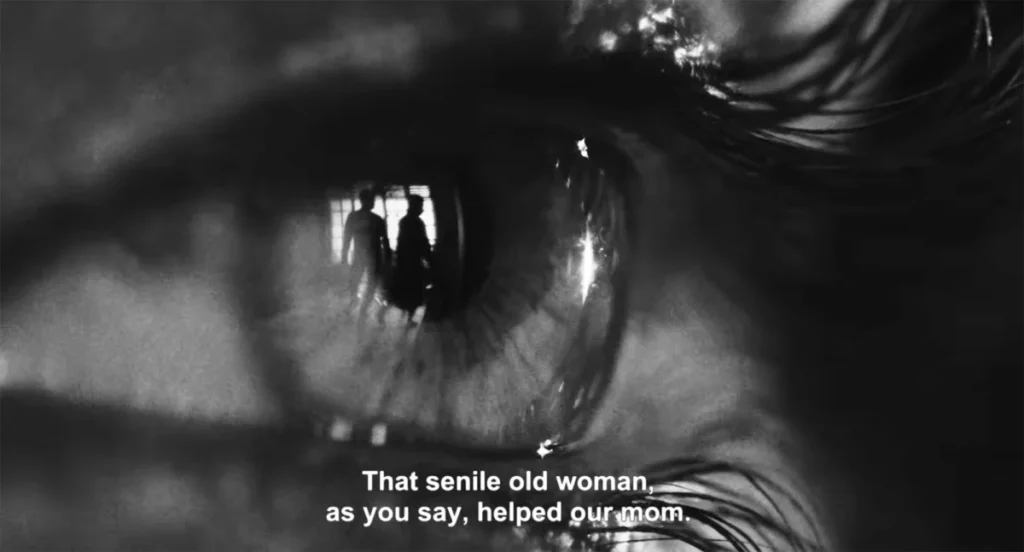

The chilling narrative of "The Cost of Flesh," a French horror short film that has captivated audiences and garnered critical acclaim on the festival circuit, is now accessible to a global online audience. Directed by Tomas Palombi, this ten-minute cinematic experience, originally titled "Au prix de la chair," masterfully employs minimalist filmmaking to deliver profound psychological terror. The film, which premiered in 2024 and has since traversed numerous prestigious film festivals, including the Gerardmer Fantastic Film Festival and the Tribeca Film Festival, offers a unique perspective on desperation, sacrifice, and the terrifying unknown.
A Gripping Premise: Communication Beyond the Body
"The Cost of Flesh" centers on a paralyzed teenage girl who can only communicate through the subtle, yet expressive, movements of her eyes. This profound physical limitation sets the stage for a desperate plea from her siblings, who, driven by an overwhelming desire to cure her affliction, embark on a perilous journey into the realm of the occult. They resort to an obscure magical ritual, a desperate gamble intended to liberate her from a perceived malevolent force that binds her. The central performance by Nayla Berrada as the titular "eye" is described as a tour de force, delivering a performance that is both nuanced and deeply unsettling, leaving an indelible mark on viewers.
The film’s visual language is as stark as its premise. Shot in black and white, "The Cost of Flesh" ingeniously utilizes a single, sustained shot of the protagonist’s eye, with all narrative action unfolding within its reflection. This deliberate cinematic choice evokes a powerful sense of claustrophobia and vulnerability, forcing the audience into an intimate and often disturbing viewpoint. Critics have drawn parallels to the iconic and visceral eye-slitting sequence from Luis Buñuel and Salvador Dalí’s surrealist masterpiece, "Un Chien Andalou" (1929), a testament to Palombi’s bold artistic vision and his engagement with cinematic history. The terror, however, is not solely derived from the visual; it is amplified by the carefully crafted dialogue and the unfolding events within the room, witnessed solely through the limited and uncontrollable perspective of the protagonist.
The Creative Vision of Tomas Palombi
Tomas Palombi, a burgeoning talent in the genre filmmaking landscape, has demonstrated a consistent ability to craft impactful narratives through concise storytelling. Prior to "The Cost of Flesh," Palombi has been actively involved in producing a diverse range of short films and music videos, honing his craft and developing a distinctive visual style. His work often explores themes of psychological distress and the uncanny, pushing the boundaries of conventional horror.

Palombi’s directorial approach for "The Cost of Flesh" was meticulously planned. He explains his decision to film entirely within the reflection of the protagonist’s eye: "It allowed me to subtly distort reality, turn off-screen space into a source of tension, and draw the audience into an intimate and unsettling point of view." This intentional constraint not only serves the narrative but also imbues the film with a unique aesthetic that amplifies its thematic concerns. The cinematography, credited to Tomas Palombi himself, with Olivier Lechat as the camera operator, plays a crucial role in achieving this immersive and disorienting effect. The black and white palette further enhances the film’s atmospheric dread, stripping away the distraction of color and focusing on form, shadow, and the raw emotional intensity of the characters.
The screenplay, co-written by Tomas Palombi and Flores Desbiens, meticulously crafts a narrative that balances the supernatural elements with the deeply human desperation of the characters. The production was a collaborative effort, with Marc-Eliel Chouraqui, Willfried Fedida, and Florian Pannetier serving as producers, ensuring the vision was realized with professional execution.
Festival Circuit Success and Online Debut
The journey of "The Cost of Flesh" began with its premiere at the 2024 Gerardmer Fantastic Film Festival in France, a renowned event celebrating genre cinema. Following its success there, the film continued its festival run, captivating audiences and critics at the prestigious Tribeca Film Festival, also in 2024. Its inclusion in these high-profile festivals underscores the film’s artistic merit and its resonance with both industry professionals and cinephiles.
The decision to release the film online, making it accessible to a wider audience, was facilitated by platforms like YouTube and highlighted by resources such as Short of the Week, a prominent curator of exceptional short films. This move signifies a growing trend in the film industry, where short films, once primarily confined to festival screenings and niche platforms, are increasingly finding a broader reach through digital distribution. This accessibility allows filmmakers to connect with a global audience and build recognition for their work, potentially paving the way for future feature-length projects.
Broader Context and Implications
The success of "The Cost of Flesh" can be viewed within the larger context of the contemporary horror genre, which has seen a resurgence of interest in innovative storytelling and artistic expression. The film’s minimalist approach, relying on atmosphere, psychological tension, and clever visual conceit rather than gratuitous gore, aligns with a growing appreciation for more subtle and thought-provoking horror. This trend suggests a discerning audience that is seeking more than just jump scares; they are looking for films that engage their intellect and stir their emotions.

The film’s exploration of disability and the desperate measures taken by loved ones also adds a layer of emotional complexity. While the film leans into supernatural horror, the underlying human drama of wanting to alleviate suffering and the ethical quandaries that arise from extreme circumstances are powerfully conveyed. This thematic depth contributes to the film’s lasting impact, prompting reflection long after the credits roll.
The international reception of "The Cost of Flesh" further highlights the global appeal of well-crafted genre cinema. While originating from France, its themes and artistic execution have resonated with audiences and critics worldwide, demonstrating the universal nature of fear and the human condition. The film’s availability online democratizes access to these cinematic experiences, allowing individuals from all corners of the globe to engage with diverse artistic voices and narratives.
Future Prospects and Audience Engagement
For filmmakers like Tomas Palombi, the success of a short film like "The Cost of Flesh" serves as a vital stepping stone. The positive reception and exposure gained from festival screenings and online distribution can attract the attention of producers, studios, and financiers, potentially opening doors to larger projects. Palombi’s active presence on social media, with an Instagram handle (@tomaspalombi) provided for his followers, indicates a proactive approach to engaging with his audience and building a community around his work.
The film’s availability on YouTube and through dedicated short film platforms allows for continuous audience engagement and discussion. Viewers are encouraged to share their reactions, analyze the film’s techniques, and contribute to its ongoing visibility. This digital ecosystem fosters a dynamic relationship between filmmakers and their audience, creating a feedback loop that can inform future creative endeavors.
As "The Cost of Flesh" continues to find its audience online, it stands as a compelling example of how innovative filmmaking, coupled with a powerful narrative, can transcend physical limitations and captivate viewers across the globe. Its success is a testament to the enduring power of short films as a vibrant and essential medium for artistic exploration and storytelling. The film’s journey from festival darling to online phenomenon underscores the evolving landscape of film distribution and the increasing importance of digital platforms in discovering and celebrating new cinematic talent.