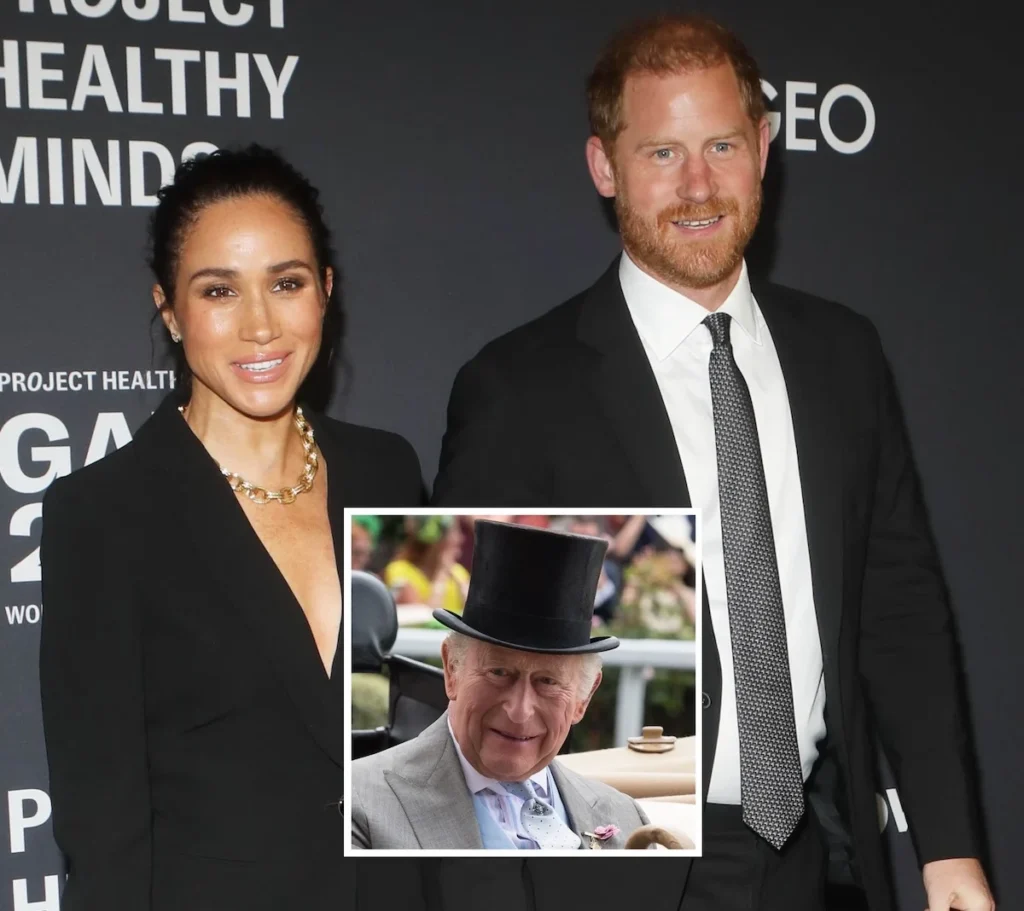

Reports have emerged suggesting that the long-anticipated reunion between Prince Harry, Meghan Markle, and King Charles III, along with Queen Camilla, earlier this month, was far from the warm familial gathering many royal observers had hoped for. The visit, which included Prince Archie and Princess Lilibet, marked the first time the Duke and Duchess of Sussex had met with the King and Queen in four years, and notably, the first since King Charles’s recent cancer diagnosis was made public. Despite the deeply personal circumstances, sources indicate a prevailing chill, challenging the narrative of a healing rift within the Royal Family.
A Private Gathering Amidst Public Scrutiny
The reunion took place at Highgrove House, King Charles’s private Gloucestershire residence, and was officially confirmed by Buckingham Palace as a private family meeting. This confirmation, however, came with an implicit understanding that no official photographs or detailed accounts would be released, maintaining the Royal Family’s long-standing tradition of privacy regarding personal interactions. The desire for discretion notwithstanding, the details that have begun to surface paint a complex picture of strained relations and unresolved issues.
Royal author Christopher Andersen, speaking to Page Six, articulated a sentiment of detachment, stating, "One gets the sense that, from Meghan’s perspective, the reunion with Charles and Camilla wasn’t entirely warm and fuzzy." This assessment, while direct, was met with skepticism from a palace source who reportedly questioned Andersen’s ability to ascertain the intimate details of a private family encounter. Such conflicting accounts underscore the challenge in discerning the true nature of interactions behind the imposing walls of royal estates, particularly when the parties involved have been at the center of intense public and media scrutiny for years.
The Genesis of the Rift: A Chronology of Separation
To fully comprehend the nuances of this recent reunion, it is essential to revisit the events that led to the Sussexes’ departure from their roles as senior working royals, a seismic shift colloquially known as "Megxit."
- January 2020: Prince Harry and Meghan Markle announce their intention to step back as senior royals, seeking financial independence and a life split between the UK and North America. This declaration sends shockwaves through the monarchy and the global media.
- March 2020: The couple officially ceases their royal duties, relocating initially to Canada and then to California, just weeks before the onset of the global pandemic. They relinquish their HRH titles and no longer receive public funds for royal duties.
- March 2021: A groundbreaking interview with Oprah Winfrey airs, where the Duke and Duchess of Sussex make a series of damaging allegations against the Royal Family, including claims of racism and a lack of support for Meghan’s mental health. This interview deepens the rift significantly.
- September 2022: Queen Elizabeth II passes away. Harry and Meghan attend the funeral, a moment that briefly brought the estranged family together in public, yet underlying tensions remained palpable.
- December 2022: The Netflix docuseries Harry & Meghan is released, offering their personal perspective on their lives within the Royal Family and their subsequent departure, further fueling the public discourse on their grievances.
- January 2023: Prince Harry’s memoir, Spare, is published, containing highly personal revelations and critical accounts of his family members, particularly Prince William and King Charles. This publication is widely seen as exacerbating the existing estrangement.
- February 2024: Buckingham Palace announces King Charles III’s cancer diagnosis. Prince Harry immediately travels to the UK for a brief visit with his father, marking their first private meeting since the publication of Spare. This visit, while brief, ignited hopes for a broader reconciliation.
- Earlier this month (July 2026): The reported reunion at Highgrove House, involving Meghan, Archie, and Lilibet, signals a more comprehensive attempt at family interaction, occurring four years after their last joint meeting with the King and Queen.
Logistical Hurdles and Reported Snubs
Beyond the emotional complexities, the Sussexes’ UK visit was reportedly fraught with logistical challenges and perceived snubs that may have contributed to the "chilly" atmosphere. A significant point of contention has consistently been the issue of security. Since stepping down as senior royals, Prince Harry has been engaged in legal battles with the UK government over the withdrawal of taxpayer-funded police protection for himself and his family when in the UK. This denial of state-funded security has been a recurring obstacle for their visits, forcing them to arrange and finance private security details, an expense Harry has publicly stated makes consistent UK visits untenable.
Adding to these security concerns, reports from multiple outlets, including People magazine, suggested that an offer for Harry and Meghan to stay at a royal residence was withdrawn by Buckingham Palace. This alleged withdrawal, following their previous eviction from Frogmore Cottage, left the couple without a readily available, secure base within the royal estate, further complicating their visit. While the specifics of the withdrawn offer remain unconfirmed by the Palace, its implication for the couple’s comfort and sense of belonging cannot be understated. One source cited by People went as far as to describe the visit as having "turned into a nightmare," with Meghan reportedly cutting her trip short and returning to California with the children earlier than anticipated. This unconfirmed detail, if true, would strongly corroborate the notion of a strained encounter.
Meghan’s Perceived Stance and Future Implications
Christopher Andersen’s insights further delve into Meghan Markle’s perspective on these interactions. He suggested that "it’s fairly clear that Markle feels more secure in [her home] in Montecito, and doesn’t want to give the impression that she will be any part of a return to royal life." This observation aligns with the couple’s stated desire for privacy and independence, and their concerted efforts to build a life and careers outside the direct orbit of the monarchy in California.
Prince Harry’s recent comments at the TIME100 Sports Gala, where he was reportedly overheard telling guests that Meghan and the children were "happy" to be back in California, could be interpreted in various ways. While a seemingly innocuous statement about family contentment, within the context of the reported difficult reunion, it could also subtly underscore Meghan’s preference for their Californian lifestyle over the complexities of royal engagements. It raises questions about the genuine desire for a "reverse Megxit," a speculative possibility that has occasionally surfaced in media reports regarding the couple’s future plans.
Broader Impact and Implications
The alleged lack of warmth during this critical family reunion carries significant implications for the future dynamics of the Royal Family and public perception.
- For the Monarchy: A visibly fractured Royal Family, particularly one with ongoing disputes involving a popular member like Prince Harry, can detract from the institution’s image of stability and unity. In an era where monarchies globally face increasing scrutiny, internal discord can undermine public confidence and support. The King’s cancer diagnosis has already highlighted the importance of a united front, and continued estrangement could be seen as a missed opportunity for consolidation.
- For the Sussexes’ Public Image: The narrative of a difficult reunion, whether accurate or not, reinforces the perception of an enduring rift. While the couple has actively sought to forge their own path, their continued association, even through distance and occasional visits, with the Royal Family remains a defining aspect of their public identity. The implications for their various ventures, from production deals to philanthropic efforts, could be swayed by public sentiment regarding their relationship with the UK royals.
- For Archie and Lilibet: The children’s limited interaction with their paternal grandparents and other royal relatives is a poignant aspect of the ongoing situation. Growing up primarily in California, their connection to the British monarchy and their royal heritage is largely mediated through their parents. A "chilly" reunion could further diminish the frequency and quality of these vital familial bonds, potentially impacting their understanding of their lineage and their relationship with a significant part of their identity.
- Media Scrutiny: The perpetual fascination with the Royal Family, particularly the Sussexes, ensures that every interaction, or lack thereof, is dissected and debated across global media. The lack of official statements often leaves a vacuum filled by speculation and anonymous sources, perpetuating cycles of rumor and counter-rumor. This intense scrutiny, which Harry and Meghan cited as a reason for their departure, ironically continues to define their relationship with the institution they left behind.
In conclusion, while the precise details of the private gathering at Highgrove House may forever remain behind palace doors, the emerging narrative suggests that this long-awaited royal reunion was not the heartwarming reconciliation many had envisioned. The confluence of historical grievances, logistical hurdles, and differing aspirations between the parties involved appears to have created an atmosphere of polite distance rather than genuine familial warmth. The path to a full and lasting reconciliation, it seems, remains as complex and challenging as ever, leaving observers to ponder the long-term ramifications for one of the world’s most scrutinized families.