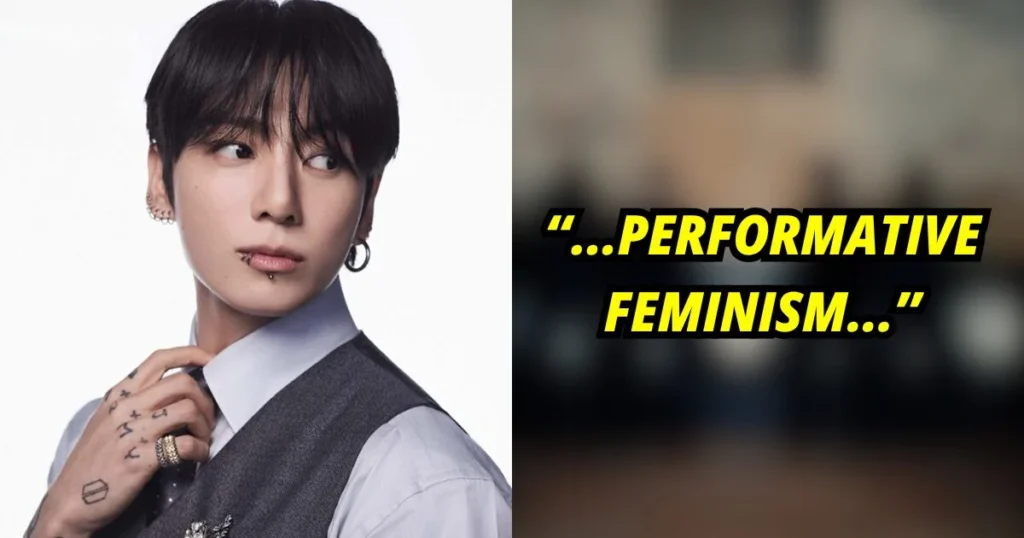

Global music icons BTS have once again captured the attention of the international music community, though this time the focus extends beyond their musicality to a burgeoning debate regarding gender double standards and artistic expression. On July 15, 2026, the group released a 20-second teaser for their upcoming single "Normal," the second official track from their highly anticipated ARIRANG album. The brief clip, which features the members in a public restroom setting, quickly transitioned from a promotional milestone to a lightning rod for social media controversy, highlighting the intense scrutiny that follows the group’s every creative move.
The teaser’s visual narrative is deceptively simple: several members are seen standing at a row of urinals, presumably engaged in the mundane act of using the bathroom. The scene is interrupted by the group’s leader, RM, who enters the frame looking for an available space. This "slice-of-life" or "gritty realism" aesthetic appears to align with the single’s title, "Normal," suggesting a thematic exploration of the human experiences that persist even behind the veil of global superstardom. However, the choice of setting has sparked a polarized reaction among fans and critics alike, leading to a viral discourse on platforms such as X (formerly Twitter) and various online community boards.
Chronology of the Normal Promotional Campaign
The rollout for "Normal" has been characterized by an unconventional marketing strategy that deviates from the polished, ethereal concepts often associated with high-budget K-pop releases. The campaign began in early July 2026 with the appearance of tabloid-style advertisements in major cities including Seoul, New York, and London. These physical ads featured grainy, paparazzi-esque photography and sensationalist typography, mirroring the invasive nature of celebrity culture.
Following the atmospheric print campaign, the official video teaser was uploaded to HYBE Labels’ YouTube channel on July 15. Within hours, the clip amassed millions of views and began trending globally. The release of the full music video and the digital single is scheduled for July 17, 2026, at midnight KST. This rapid-fire promotional window is a hallmark of the ARIRANG era, which industry insiders suggest is an attempt by BTS to reclaim their narrative through raw, unfiltered imagery.
Analysis of the Social Media Debate
The controversy surrounding the "Normal" teaser primarily centers on two conflicting viewpoints: the allegation of a gender-based double standard in the K-pop industry and the defense of the group’s right to artistic autonomy.
The debate was ignited when a segment of the online audience suggested that a female idol group would face severe backlash or "slut-shaming" if they were to release a teaser featuring a bathroom concept. One viral post questioned, "but if a girl group did this…," implying that the public’s acceptance of BTS’s "bathroom humor" or realism is a byproduct of male privilege within the industry. This perspective posits that female artists are held to a much higher standard of "purity" and decorum, and that their portrayal in a similar setting would be sexualized or deemed "unladylike" rather than "artistic."
Conversely, many fans (known as ARMY) and neutral observers have pushed back against this narrative. Defenders of the group argue that BTS is often subjected to unique levels of hyper-criticism due to their unprecedented fame. Supporters pointed out that the teaser contains no indecency and that the setting is a common trope in global cinema and music videos used to ground high-profile figures. One social media user noted, "yall are literally more critical towards bts than literally any other kpop group ever," suggesting that the outrage is a form of performative criticism directed at the group’s success rather than the content itself.
Historical Precedents and Industry Context
The use of restrooms as a backdrop for music videos is not a new phenomenon in South Korean music. To provide context, analysts have pointed to several historical examples where both male and female artists utilized similar settings.
One of the most prominent examples cited in the current debate is the 2015 music video for "ZUTTER" by BIGBANG’s sub-unit GD & TOP. That video featured a stylized scene of G-Dragon and T.O.P at urinals, which was widely praised at the time for its edgy, rebellious aesthetic. Similarly, various female idols have utilized bathroom settings—ranging from bathtubs to vanity mirrors—to convey themes of vulnerability or preparation.

However, the specific "urinal" imagery in the BTS teaser is what some critics find jarring. While male groups have occasionally used such imagery to project "bad boy" or "everyman" personas, the sheer scale of BTS’s platform ensures that their use of the trope is viewed through a more analytical lens. The debate highlights a broader cultural shift in 2026, where audiences are increasingly sensitive to how gender roles are portrayed and reinforced in media, even in seemingly minor promotional clips.
The Artistic Vision of the ARIRANG Album
To understand the "Normal" teaser, it is essential to look at the broader context of the ARIRANG album. Named after the traditional Korean folk song that serves as a symbol of the nation’s soul and its history of both grief and triumph, the album has been described by critics as a "deconstruction of the idol mythos."
The choice of the title "Normal" for the second single is a clear indication of the group’s current creative direction. Since their debut, BTS has transitioned from "Bulletproof Boy Scouts" to global ambassadors, a journey that has often distanced them from the mundane realities of everyday life. By placing themselves in a public restroom—the ultimate equalizer where status and fame are irrelevant—the members appear to be making a statement about their humanity.
Industry analysts suggest that the "Normal" concept is an intentional provocation. By leaning into "un-idol-like" behavior, BTS is challenging the traditional constraints of the K-pop industry, which often demands a sterilized and curated version of reality. This move towards "mumble-core" aesthetics or "hyper-realism" is a trend seen in other global artists, but its application within the highly structured world of K-pop remains a point of significant friction.
Broader Implications for the K-pop Industry
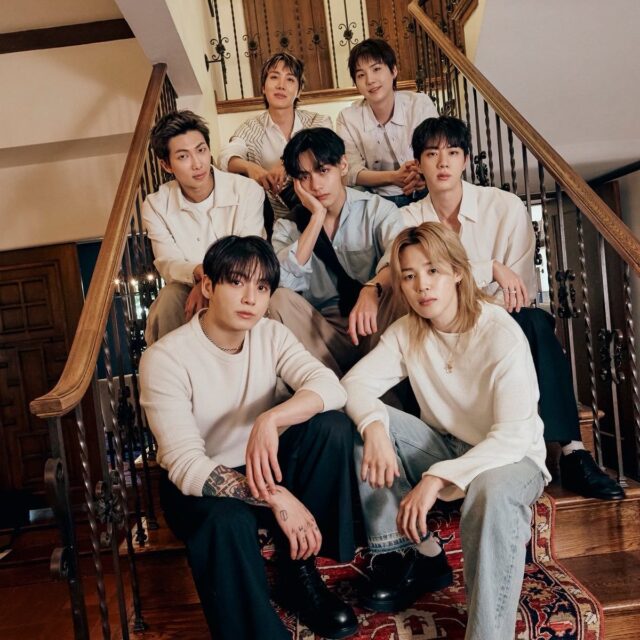
The "Normal" controversy serves as a case study for the evolving relationship between K-pop stars and their global audience. As groups like BTS continue to break records and cross into the mainstream of Western pop culture, they are increasingly judged by global sociopolitical standards rather than just domestic entertainment norms.
- Gender Standards: The conversation regarding how girl groups would be treated in a similar scenario is a valid critique of the industry’s historical penchant for policing female behavior. However, using a BTS teaser as the catalyst for this discussion reveals a trend where the group’s actions are used as a benchmark for industry-wide grievances.
- Artistic Freedom vs. Idol Expectations: The debate highlights the ongoing struggle for veteran idols to shed the "perfect" image of their youth in favor of more mature, complex, or even mundane artistic expressions.
- The Power of the Teaser: In the digital age, a 20-second clip can generate more discourse than a full-length documentary. The viral nature of the "Normal" teaser proves that BTS remains the most potent force in music marketing, capable of starting a global conversation with a single frame.
Official Responses and Anticipation for July 17
As of July 16, BIGHIT MUSIC has not issued a formal statement regarding the social media debate, choosing instead to let the creative work speak for itself. This silence is typical for the agency, which often allows the narrative of a music video to unfold fully upon its release.
Fans and critics are now looking toward the July 17 release of the full "Normal" music video to see if the bathroom scene is a minor comedic beat or a central metaphor for the song’s lyrics. Early leaks and rumors suggest the track features a mid-tempo, indie-rock influenced sound, further distancing the group from the polished dance-pop of their earlier English-language hits.
Regardless of the final content of the music video, the "Normal" teaser has already achieved its primary goal: ensuring that the entire world is watching. As the ARIRANG era continues to unfold, it is clear that BTS is no longer content with being "normal" idols; they are instead choosing to explore the messy, complicated, and often controversial reality of being human in the spotlight. The July 17 release will likely provide the definitive answer to whether the group has successfully navigated this new artistic frontier or if the "Normal" controversy will remain a permanent fixture of their 2026 legacy.