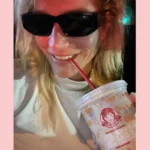

The landscape of the K-pop industry, often characterized by its rigid structures and carefully curated public personas, has witnessed a notable moment of personal transparency. Dongjun, a former member of the boy group GHOST9 who now promotes as a solo artist under the name Brad, has sparked significant discussion across social media platforms following a recent video update. In a reel shared on his personal Instagram account, the artist detailed the various deprivations he experienced during his tenure as a K-pop idol, culminating in a statement that many fans and industry observers have interpreted as a public coming out. The video, which blends a nonchalant tone with a critique of the "idol system," has highlighted the ongoing shift in how former trainees and idols navigate their identities once they are no longer bound by the restrictive contracts of major entertainment agencies.
The Evolution of a Career: From GHOST9 to Brad
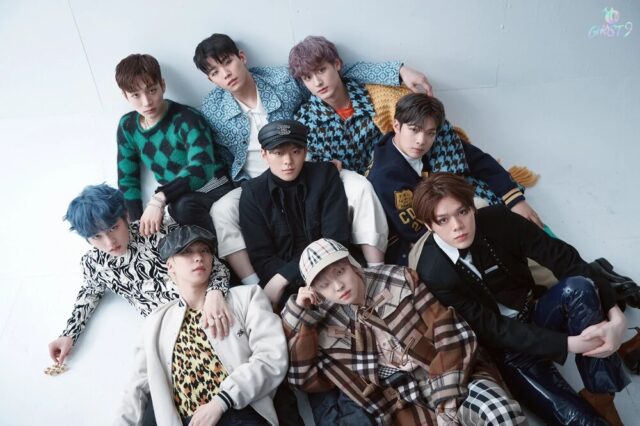
To understand the context of this revelation, it is necessary to examine the career trajectory of Dongjun. In 2020, Maroo Entertainment, an agency perhaps best known for managing former Wanna One member Park Ji-hoon, announced the debut of a new nine-member boy group named GHOST9. The group arrived with significant expectations, debuting with the mini-album Pre Episode 1: Door and the title track "Think of Dawn." Dongjun was an integral part of the original lineup, contributing to the group’s early identity during a period when the K-pop industry was grappling with the limitations imposed by the global pandemic.
However, the original nine-member configuration was short-lived. In September 2021, just one year after their debut, Maroo Entertainment announced that members Dongjun and Taeseung would be leaving the group. At the time, the agency stated that the decision was made after extensive discussions regarding the members’ future career paths. Following their departure, GHOST9 continued as a seven-member ensemble, while Dongjun retreated from the immediate spotlight to re-evaluate his musical direction.
In 2025, Dongjun re-emerged in the music scene under the moniker Brad. This re-debut marked a transition from the polished, synchronized world of idol groups to a more independent and individualistic creative space. His digital single, "Invade Day," released with an official visualizer, showcased a sonic departure from GHOST9’s discography, leaning into a style that suggested a desire for more personal artistic expression.
A Candid Reflection on the Idol Industry
The Instagram video that has since gone viral features Brad reflecting on his daily life and the stark differences between his current reality and his past as a K-pop idol. Using a popular video format that contrasts "then and now" scenarios, Brad listed several things he lacked during his time as a member of GHOST9. The list included basic amenities and personal freedoms that are frequently cited as points of contention in "slave contracts" or highly restrictive trainee agreements.
According to the video, Brad lacked a personal mobile phone, had no scheduled days off, and received no significant financial compensation during his early years in the industry. These grievances are common among former idols who debut under small to mid-sized agencies, where the "break-even point" system often means performers do not receive a salary until the agency’s initial investment in their training and debut is fully recouped.
The most discussed aspect of the video, however, was the final item on his list. Brad stated that during his idol years, he also had "no boyfriend." To emphasize the point, he included an eggplant emoji in the caption, a symbol widely recognized in digital culture as a reference to male anatomy. This specific phrasing—noting the absence of a boyfriend rather than using a gender-neutral term like "partner" or mentioning a "girlfriend"—led many to conclude that the artist was casually and confidently disclosing his sexual orientation.
The Significance of the "No Boyfriend" Statement
In the context of South Korean entertainment, such a declaration is rarely made by active idols due to the prevailing conservative social norms and the industry’s reliance on the "boyfriend/girlfriend fantasy" sold to fans. While dating bans are a standard feature of many K-pop contracts, they are almost always framed within a heteronormative context. By specifically citing the lack of a "boyfriend," Brad has positioned himself among a small but growing number of South Korean entertainers who are choosing to live authentically outside the traditional idol framework.
The use of social media as a platform for this revelation is also significant. For former idols, Instagram and TikTok provide a direct line of communication with fans that is unmediated by agency public relations teams. This allows for a level of candor that was previously impossible. The nonchalance with which Brad delivered the information—sandwiching a major personal revelation between complaints about lack of sleep and money—suggests a desire to normalize LGBTQ+ identities within the industry.
Chronology of Events: 2020–2026
The timeline of Brad’s career reflects the broader cycles of the K-pop industry, from the intense pressure of a debut to the eventual pursuit of independent identity:
- September 2020: GHOST9 debuts under Maroo Entertainment with nine members, including Dongjun.
- 2020–2021: The group releases several projects, including the NOW series (NOW: Where We Are, Here and NOW: When We Are in Love).
- September 2021: Maroo Entertainment officially announces the departure of Dongjun and Taeseung from GHOST9.
- 2022–2024: Dongjun remains largely out of the public eye, focusing on personal development and musical rebranding.
- 2025: Re-debuts as a solo artist under the name Brad with the single "Invade Day."
- July 2026: Posts an Instagram reel detailing the hardships of idol life, including the "no boyfriend" comment, which is interpreted as a coming-out statement.
The Landscape of LGBTQ+ Visibility in South Korean Entertainment
Brad’s apparent coming out occurs within a complex societal and industry landscape. South Korea remains a socially conservative country where LGBTQ+ individuals often face discrimination and a lack of legal protections, such as anti-discrimination laws or the recognition of same-sex partnerships.
Within the K-pop world, however, there has been a slow but steady increase in visibility. Artists like Holland, who debuted in 2018 as the first "openly gay K-pop idol," paved the way for others to speak more freely. Other figures, such as Som Hye-vin (a former contestant on Idol School) and Marshall Bang, have also shared their identities publicly. Despite these steps forward, active idols in top-tier groups rarely, if ever, discuss their sexual orientation, fearing backlash from conservative domestic fanbases or the loss of lucrative commercial sponsorships.
The reaction to Brad’s video highlights the "dual reality" of K-pop fandom. On one hand, international fans—particularly those on platforms like X (formerly Twitter)—greeted the news with overwhelming support, celebrating the artist’s bravery. On the other hand, some observers within the industry remain skeptical, questioning whether such posts are genuine expressions of identity or calculated moves to gain "engagement" in a crowded digital marketplace.
Fan Discourse and the Question of Engagement
As with any social media update from a public figure, the response to Brad’s video has been multifaceted. A significant portion of the K-pop community has praised the artist for his transparency. Many fans noted that the "signs" were often there, referencing the "gaydar" of the queer community, while others emphasized the importance of representation. One viral post on X remarked on how "brave it is of the person to open to the world," especially given the scrutiny former idols face.
Conversely, a smaller segment of the audience has raised the possibility of "queerbaiting" or "engagement baiting." This skepticism stems from a trend where influencers use provocative or ambiguous language to trigger algorithm-friendly interactions. However, supporters of the artist argue that the specific mention of "no boyfriend" combined with the eggplant emoji is too explicit to be dismissed as mere ambiguity. Furthermore, the fact that the post remains active despite the brewing media coverage suggests that the artist is comfortable with the interpretation.
Industry Implications and the Future of Independent Artistry
The "Brad" incident serves as a case study for the life cycle of a modern K-pop idol. It illustrates a growing trend where the "second act" of an artist’s career is defined by a rejection of the "idol" label in favor of "independent creator" or "authentic artist." For many, the transition out of a major agency is not a failure but a liberation.
From an industry perspective, this event may prompt agencies to reconsider how they manage the personal lives and public disclosures of their artists. As more former idols speak out about the realities of their training—including financial instability, mental health struggles, and the suppression of their identities—the "perfect" image of the K-pop industry continues to be deconstructed.
For Brad, the move appears to be a definitive step toward building a brand based on honesty rather than the manufactured perfection of his GHOST9 era. Whether he continues to address his personal life in his music or remains focused on his solo career as a visual and recording artist, his recent update has already left a mark on the ongoing conversation regarding queer identity in the South Korean music scene.
As of the time of this report, Maroo Entertainment has not issued a statement regarding the video, which is expected given that Brad is no longer under their management. Brad himself has not released a formal "press statement" to clarify the video, letting the content of the Instagram reel speak for itself. In the digital age, for many artists, the "nonchalant declaration" is becoming the preferred method of communication, bypassing traditional media gatekeepers to reach an audience that values authenticity above all else.