
The Incident: A Moment of Digital Confusion
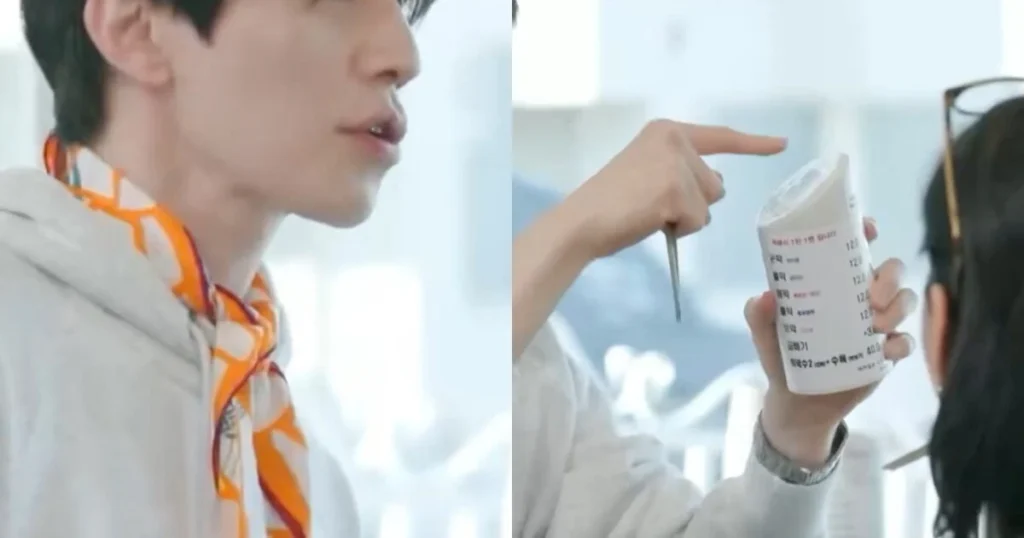
The viral footage centers on a gathering of the Goblin cast, a group whose off-screen chemistry has remained a subject of intense fan interest since the drama concluded its record-breaking run in 2017. In the video, the atmosphere is initially jovial as the actors enjoy their meal. However, the mood shifts into a comedic display of technical frustration when the group decides to order additional dishes. Lee Dong Wook, often praised for his sharp wit and polished demeanor, is seen taking the lead in attempting to summon service or place the order.
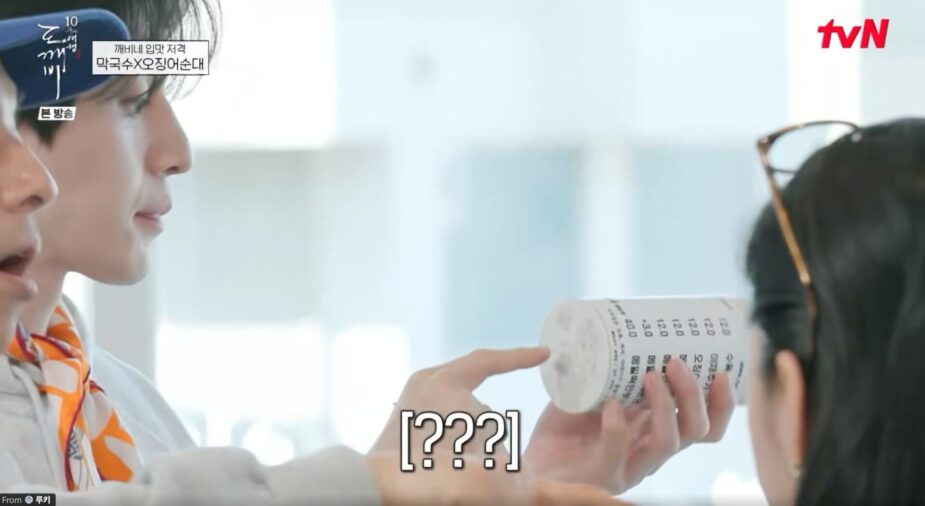
In a sequence that has since been dissected by thousands of netizens, Lee Dong Wook is observed scanning the table for a traditional service bell—a common fixture in many South Korean eateries. When his search proves unsuccessful, he begins pressing various objects on the table, seemingly hoping one of them will function as a mechanical buzzer. The climax of the confusion occurs when the actor attempts to "press" a QR code printed on a sticker on the table. In modern "untact" (contactless) dining environments, these QR codes are intended to be scanned by a smartphone camera to open a digital menu and ordering interface. Lee, however, appears to treat the two-dimensional code as a physical button, repeatedly applying pressure to the table surface in an attempt to activate it.
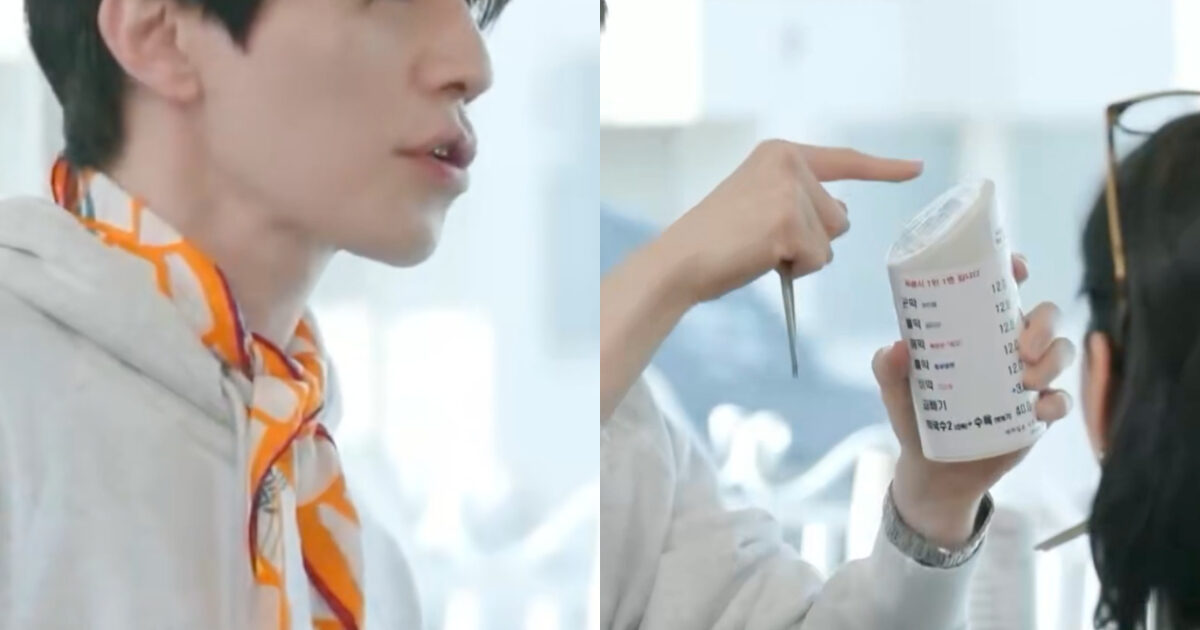
The reaction from his castmates—which reportedly included other high-profile stars from the series—was one of immediate shock and laughter. The realization that one of the country’s most prominent leading men was unfamiliar with a technology that has become ubiquitous in the post-pandemic era led to a moment of lighthearted mockery within the group. Ultimately, the actor abandoned the digital approach and resorted to traditional methods, successfully flagging down a human server to complete the order.
Contextual Background: The Cast and the "Goblin" Legacy
To understand the scale of the reaction to this video, one must consider the status of Lee Dong Wook and the Goblin cast in the hierarchy of Hallyu (the Korean Wave). Lee Dong Wook, who portrayed the Grim Reaper in the series, has a career spanning over two decades, with a filmography that includes My Girl, Strangers from Hell, and Tale of the Nine Tailed. He is widely regarded as a versatile actor and a fashion icon, often associated with high-tech brands and luxury products.
The series Guardian: The Lonely and Great God remains one of the highest-rated dramas in Korean cable television history. The camaraderie between Lee Dong Wook and lead actor Gong Yoo, in particular, has become legendary, with fans frequently seeking out updates on their real-life friendship. Because these actors are often seen as larger-than-life figures, seeing them struggle with a mundane task like ordering food creates a "humanizing" effect that resonates deeply with the public.

Chronology of the Viral Surge
The trajectory of the video’s popularity follows a classic pattern of modern viral content:
- Initial Upload: The clip was first shared on a fan-run social media account, likely sourced from a variety show or a behind-the-scenes vlog featuring the cast.
- Rapid Engagement: Within the first six hours, the video surpassed 500,000 views on X (formerly Twitter) and TikTok, as fans began tagging Lee Dong Wook’s official handles.
- Cross-Platform Proliferation: By the twelve-hour mark, the "QR code incident" had moved to major Korean community portals such as TheQoo, Nate Pann, and DC Inside, where it became a top-trending topic.
- International Reach: Translated versions of the comments and the video reached international audiences, with fans in Southeast Asia, North America, and Europe contributing to the three-million-view milestone.
- Mainstream Media Pick-up: Entertainment news outlets began reporting on the "shocking" behavior, using the term humorously to describe the gap between the actor’s image and his technological literacy.
Public Reaction and Netizen Discourse
The public response to the video has been polarized, though largely characterized by affectionate humor. Netizens have used the incident to create a variety of memes and comparisons, many of which reference Lee Dong Wook’s age (42) and his occasional "old soul" energy.
One widely shared comment compared the actor to a time-traveler, stating, "He looks like he just arrived from the Joseon era." This is a playful nod to the historical themes often found in Korean dramas, suggesting that Lee’s lack of familiarity with QR codes makes him seem as though he belongs to a different century. Another netizen referenced a popular internet joke about technological illiteracy, imagining a scenario where Lee is told to go to the "Playstore" to download an app and responds by standing up and asking, "Is it far? Let’s go!"

However, the debate also touched on more serious themes. Some observers pointed out that the rapid shift toward digital-only services in South Korea can be exclusionary. While Lee Dong Wook’s struggle was viewed as a funny quirk, many noted that for the elderly or those less tech-savvy, the disappearance of physical menus and service bells is a genuine hurdle. "If a world-famous actor who is constantly surrounded by staff and the latest gadgets can’t figure it out, imagine how our grandparents feel," one commenter noted on a popular forum.
Analysis: The "Untact" Revolution in South Korea
The incident serves as a microcosm of a broader societal shift in South Korea. The country has one of the highest smartphone penetration rates in the world, and since the COVID-19 pandemic, the "untact" economy has flourished. Contactless ordering, kiosk-based service, and QR code menus have become the standard in Seoul’s trendy dining districts.
Data from the Korea Foodservice Industry Research Institute indicates that the adoption of digital ordering systems has increased by over 40% since 2020. While this technology improves efficiency and reduces labor costs for restaurant owners, it has fundamentally changed the social dynamic of dining out. For a celebrity like Lee Dong Wook, who likely spends much of his time in high-end environments where personalized service is the norm, the sudden encounter with a self-service QR system represents a clash between the "concierge" lifestyle of the elite and the "automated" reality of modern urban life.
Broader Implications for Celebrity Branding
In the age of social media, "perfection" is no longer the most valuable currency for a celebrity. Marketing experts suggest that moments of vulnerability or relatability—often referred to as "gap moe" in fan culture—can actually strengthen an actor’s brand. Lee Dong Wook’s inability to use a QR code makes him appear more approachable to his audience. It breaks the "cool and untouchable" image he often portrays in dramas and high-fashion editorials.
Industry analysts observe that these viral moments often lead to increased domestic and international visibility, which can translate into new opportunities. "When a star goes viral for something human and harmless, it creates a positive feedback loop," says a representative from a Seoul-based talent agency. "It shows they are authentic and not just a curated product of their management. Lee Dong Wook has always been known for his honesty, and this just reinforces that."
Conclusion
The debate sparked by Lee Dong Wook’s restaurant behavior highlights the intersection of celebrity culture and the rapid pace of technological advancement. While the actor’s attempt to "press" a QR code provided a moment of levity for millions of viewers, it also served as a reminder of the ongoing digital transition that continues to reshape daily interactions. As the Goblin cast continues to captivate audiences years after their show’s conclusion, it is clear that their personal lives—and their occasional technological mishaps—remain a source of fascination and discussion for fans worldwide. Whether viewed as a humorous "ajusshi" (older man) moment or a critique of modern service design, the incident has solidified Lee Dong Wook’s status as a figure who, despite his fame, is not immune to the small frustrations of the digital age.