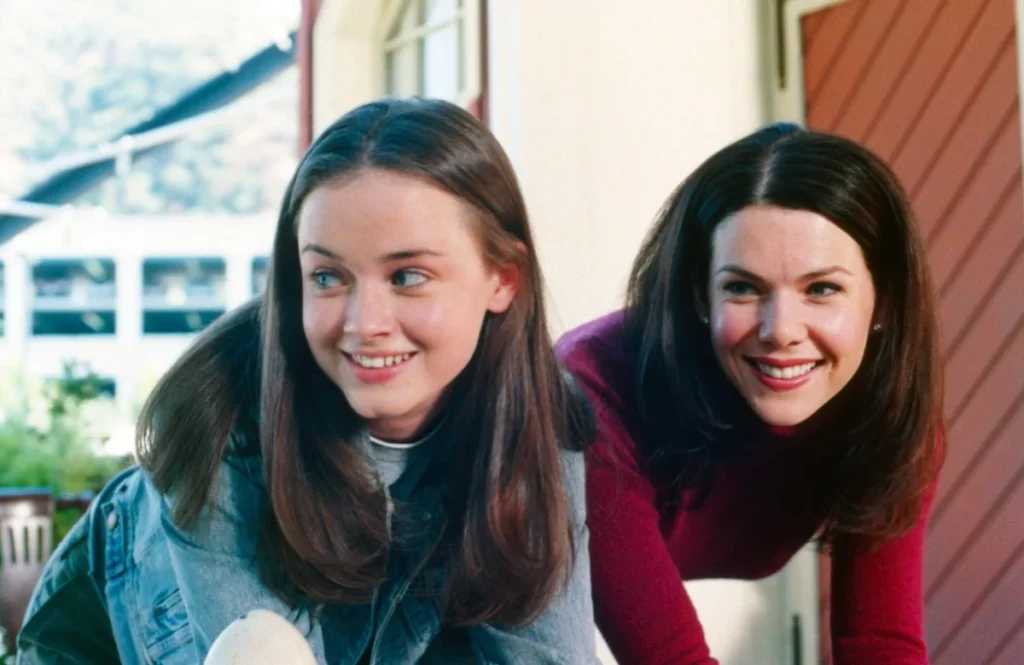

The residential property that served as the primary setting for the pilot episode of the beloved television series Gilmore Girls has officially entered the real estate market, carrying a listing price of $2.7 million. For enthusiasts of the 2000s comedy-drama, the availability of this specific dwelling represents a rare opportunity to own a tangible piece of television history. While the series is famously set in the fictional, idyllic town of Stars Hollow, Connecticut, the physical structure used to establish the home of Lorelai and Rory Gilmore is located in Unionville, Ontario, a historic suburb approximately 20 miles northeast of Toronto. This marks the first time the property has been available for public acquisition since its appearance in the series’ inaugural episode 26 years ago, according to reports from real estate outlets including Mansion Global and Country & Town House.
The home’s connection to the series is rooted in the production’s early days. In the television industry, pilot episodes are often filmed on location to establish a sense of realism and atmosphere before a show is greenlit for a full season. Once Gilmore Girls was picked up by the WB network, production transitioned from the Canadian location to the Warner Bros. backlot in Burbank, California. There, a replica of the "Stars Hollow" town square and the Gilmore residence was constructed on the famous "Midwest Street" set. Consequently, while the Unionville house appears only in the pilot, it remains the definitive architectural inspiration for the home that viewers would come to know over seven seasons and a subsequent revival.
Architectural Significance and Structural Details
Constructed in 1875, the residence is a meticulously maintained example of late 19th-century architecture, blending Victorian and Colonial design elements. The exterior of the home serves as a visual time capsule, featuring prominent gabled roofs, a classic wraparound porch—a signature feature often associated with the Gilmore lifestyle—and distinctive teal-painted clapboard siding complemented by white shutters. The property is situated on a private, expansive lot that offers views of a nearby ravine, providing a level of seclusion that belies its proximity to the metropolitan center of Toronto.
The interior of the home spans approximately 2,840 square feet and has been thoughtfully updated to balance modern convenience with historical preservation. The layout includes three spacious bedrooms and multiple living areas designed for both functionality and aesthetic appeal. Among the modern upgrades is a renovated kitchen that caters to contemporary culinary needs, while the living room features a built-in wet bar, signaling the home’s suitability for hosting and entertainment. A dedicated home office and a formal dining room further enhance the interior’s versatility.
Despite these updates, the home retains a wealth of original 19th-century details that contribute to its "Stars Hollow" charm. Wood-beamed ceilings, original hardwood flooring, and a red-brick chimney remain intact. The residence also features three fireplaces, which serve as focal points in the primary living spaces. For added utility, the property includes a basement with a guest suite and a private bathroom, as well as a private deck with its own dedicated entrance, offering potential for multi-generational living or high-end rental opportunities.
.jpg)
A Chronology of Ownership and Media Exposure
The history of the home is characterized by stability and privacy. Since its construction nearly 150 years ago, only five owners have held the title to the property. The current seller has owned the residence since 1994, several years before the Gilmore Girls production team arrived in Unionville to film the pilot in 2000. Following its brief but impactful stint as a television set, the home retreated from the public eye.
Throughout the last three decades, the property has primarily functioned as a high-end rental. Its proximity to Toronto, a major hub for North American film and television production often referred to as "Hollywood North," has made it a desirable location for various industry professionals. However, its direct association with the Gilmore Girls legacy remains its most prominent claim to fame. The decision to list the property now, after 26 years of continuous ownership, reflects a strategic move within a shifting real estate landscape where properties with "provenance"—or a history of celebrity or cultural significance—often command a premium.
Real Estate Market Context and Valuation
The $2.7 million valuation of the Unionville property reflects broader trends in the Greater Toronto Area (GTA) real estate market. Unionville is recognized as one of Ontario’s most affluent and historically significant neighborhoods. Known for its well-preserved heritage buildings and the popular Main Street tourism district, the area attracts buyers looking for a combination of small-town ambiance and urban accessibility.
Market analysts note that the "celebrity home" factor can significantly influence property values. While the house is functionally a high-quality Victorian residence, its status as the original Gilmore home adds an intangible value that appeals to a niche demographic of wealthy fans and memorabilia collectors. In the current market, where unique architectural assets are in high demand, the historical and cultural narrative attached to a property can act as a catalyst for a competitive bidding environment.
Comparative data for the Unionville area suggests that while $2.7 million is a substantial investment, it aligns with the pricing of other restored heritage estates in the region. The added benefit of the home’s television history provides a unique selling proposition that distinguishes it from other luxury listings in the GTA.
The Cultural Impact of the Gilmore Girls Aesthetic
The enduring popularity of Gilmore Girls has created a lasting fascination with the "Stars Hollow" aesthetic—a mix of cozy, small-town Americana, intellectualism, and vintage charm. This cultural phenomenon has led to a rise in "set-jetting," a travel trend where fans visit the real-life locations of their favorite shows. For many fans, the Unionville house is the closest physical connection to the show’s origins.

While the show’s creator, Amy Sherman-Palladino, famously drew inspiration for Stars Hollow from a visit to Washington, Connecticut, the Unionville pilot location was responsible for translating that vision into a visual reality. The wraparound porch, in particular, became a central motif for the series, symbolizing the open, communicative, and community-oriented life of the protagonists. The sale of this home allows a private buyer to inhabit a space that helped define a specific subgenre of "comfort television."
Broader Implications and Industry Reactions
The listing has generated significant buzz within both the real estate and entertainment sectors. Real estate professionals view the sale as a test of the market’s appetite for television-related landmarks. In recent years, properties such as the "Full House" home in San Francisco and the "Brady Bunch" house in Los Angeles have seen high-profile sales, often involving significant renovations or efforts to preserve their on-screen appearances.
Industry insiders suggest that the Unionville property’s appeal lies in its authenticity. Unlike the replica sets in California, this is a functioning, historical home that existed long before the cameras arrived. For the local community in Unionville, the sale represents a milestone in the neighborhood’s history. Local historians and residents often take pride in the area’s "Hollywood North" connections, and the transition of this property to a new owner marks the beginning of a new chapter for one of the town’s most famous landmarks.
As the property moves through the sales process, it serves as a reminder of the lasting power of television to transform ordinary locations into iconic symbols. Whether the buyer is a dedicated fan of the series or a real estate investor drawn to the home’s Victorian architecture, the "original Stars Hollow home" remains a significant piece of the North American cultural fabric. The $2.7 million price tag is not just for the bricks, mortar, and teal clapboard, but for the legacy of a mother-daughter story that continues to resonate with audiences worldwide.