
Stretching across 65 miles of the Massachusetts coastline from the mainland-adjacent towns of Bourne and Falmouth to the windswept tip of Provincetown, Cape Cod represents a complex tapestry of 15 distinct municipalities, each offering a specific cultural and aesthetic identity. The region’s hospitality sector has undergone a significant transformation over the last decade, shifting from a market dominated by traditional motels and bed-and-breakfasts toward high-end, curated short-term rentals (STRs). This evolution reflects a broader global trend in luxury travel where privacy, architectural significance, and an "authentic sense of place" are prioritized over standardized hotel amenities. Today, the Cape Cod rental market features a diverse portfolio ranging from 17th-century colonial landmarks and mid-century modern retreats to contemporary beachfront estates, catering to a demographic that seeks an immersive experience within the New England landscape.
The Economic and Geographic Landscape of Cape Cod Tourism
Cape Cod’s geography is often divided into four primary sections: the Upper Cape (Bourne, Falmouth, Sandwich, Mashpee), the Mid-Cape (Barnstable, Yarmouth, Dennis), the Lower Cape (Harwich, Brewster, Chatham, Orleans), and the Outer Cape (Eastham, Wellfleet, Truro, Provincetown). According to the Cape Cod Chamber of Commerce, the tourism industry generates approximately $1.3 billion in direct spending annually, supporting over 13,000 jobs. The introduction of the Massachusetts Short-Term Rental Law in 2019, which expanded the state’s room occupancy tax to include STRs, has provided a new stream of revenue for local municipalities. In 2023 alone, these taxes contributed tens of millions of dollars toward local infrastructure and environmental conservation projects, particularly those aimed at preserving the region’s fragile wastewater systems and coastline.
The demand for high-end rentals is driven by the Cape’s unique natural assets, including over 500 miles of coastline, freshwater "kettle ponds" formed by receding glaciers, and the 43,607-acre Cape Cod National Seashore. For travelers, the choice of location is often dictated by the desired atmosphere: the historic charm of Sandwich, the vibrant arts scene of Provincetown, or the secluded modernist enclaves of Truro.
Architectural Heritage: From Colonial Roots to Cape Modernism
The architectural diversity of Cape Cod rentals serves as a chronological record of American design. The region is the namesake of the "Cape Cod house," a style characterized by a low, broad frame, a steep pitched roof, and a central chimney—a design born out of necessity to withstand the harsh Atlantic winters. However, the peninsula also hosts some of the most significant examples of modern architecture in the United States.
In the mid-20th century, a group of European modernists, including Walter Gropius and Marcel Breuer, settled in the Outer Cape, particularly in Wellfleet and Truro. These architects applied Bauhaus principles to the local landscape, creating "Cape Modern" homes that utilized natural materials, open floor plans, and large glass apertures to blur the line between indoor and outdoor living. Today, many of these homes have been meticulously restored and are available to the public as luxury rentals, offering a rare opportunity to live within a piece of architectural history.
Premier Property Spotlights: A Curated Selection
The Colonial Legacy: Historic Cottage in Sandwich
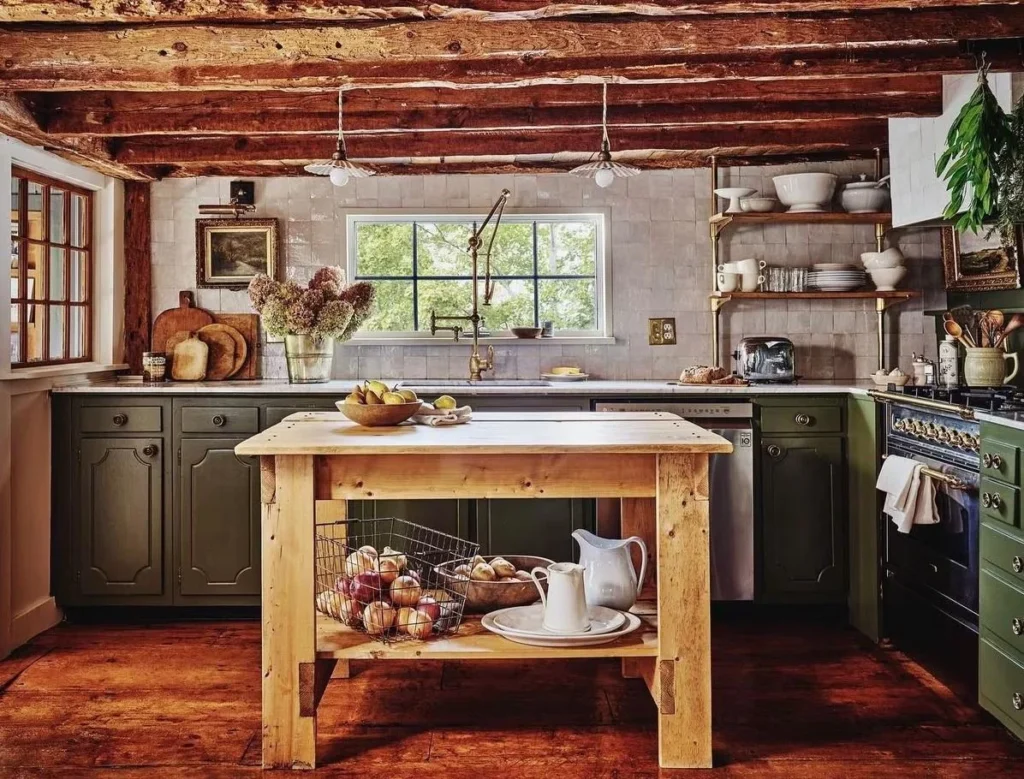
Dating back to 1639, the Historic Cottage in Sandwich represents one of the oldest residential structures on the Cape. Located in the oldest town on the peninsula, this property highlights the "preservation-first" approach to luxury hospitality. The home maintains original hand-hewn beams and wide-plank floors while integrating modern necessities. Its proximity to Shawme Pond and the historic village center allows guests to experience a walkable, pre-industrial lifestyle. At a starting rate of $1,753 per night, it targets a niche market interested in historical tourism and architectural authenticity.
The Modernist Influence: The Baumhaus in Truro
The Baumhaus serves as a prime example of the Cape Modern movement. Located in South Truro, this retreat has been restored to preserve its original cork flooring and built-in cabinetry, hallmarks of mid-century functionalism. While it honors its 20th-century roots, the property has been updated with high-end appliances from Miele and Fisher & Paykel. Its location near the Cape Cod National Seashore places it within a protected landscape, ensuring that the views of the bay remain unobstructed by future development.
Contemporary Coastal Design: Pocasset Private Beach Retreat
In Bourne, the Pocasset Private Beach Retreat illustrates the shift toward "coastal contemporary" architecture. Unlike the weathered shingles of traditional Cape homes, this new construction utilizes dramatic marble slabs, custom millwork, and soaring ceilings to create a sense of volume and light. This property, priced from $1,684 per night, reflects the high-end amenities now expected in the luxury rental market, including private association beach access, golf carts, and integrated smart-home technology.
Waterfront Integration: Provincetown and Eastham
In the Outer Cape, properties such as the Waterfront Beach Suite in Provincetown and the Seaside Retreat in Eastham focus on the immediate proximity to the water. The Provincetown suite, perched on a pier, offers a literal immersion in the maritime environment, while the Eastham home provides views of the Nauset Estuary. These properties emphasize the "active luxury" trend, providing guests with kayaks and paddleboards as part of the rental package, facilitating a direct connection to the local ecosystem.
Market Trends and Regulatory Environment
The rise of the luxury rental market on Cape Cod has not been without controversy. Local officials and housing advocates have raised concerns regarding the impact of STRs on the year-round housing supply. In response, several towns have implemented or are considering stricter regulations, such as caps on the number of days a property can be rented or requirements for owners to be primary residents.
Data from AirDNA, a firm that tracks short-term rental performance, indicates that the Cape Cod market remains highly seasonal, with occupancy peaking between July and August. However, there is a growing "shoulder season" (May-June and September-October) driven by remote workers and travelers seeking lower prices and fewer crowds. The average daily rate (ADR) for luxury properties on the Cape can exceed $1,000, significantly higher than the state average, reflecting the region’s status as a premier global destination.
Timeline of Cape Cod Hospitality Evolution
- 1637–1639: Settlement of Sandwich and the construction of early colonial residences.
- Late 1800s: The arrival of the railroad brings the first wave of large-scale tourism to the Cape.
- 1930s–1960s: Modernist architects establish summer colonies in the Outer Cape, introducing the "Cape Modern" style.
- 1961: President John F. Kennedy signs legislation establishing the Cape Cod National Seashore, protecting 40 miles of coastline from commercial development.
- 2008–2015: The rise of digital platforms like Airbnb and VRBO begins to disrupt the traditional cottage rental model.
- 2019: Massachusetts implements the Short-Term Rental Law, bringing STRs under the same tax and safety regulations as hotels.
- 2020–Present: The COVID-19 pandemic accelerates the demand for private, high-end vacation rentals as travelers seek "socially distanced" luxury.
Environmental and Social Implications
The future of the Cape Cod rental market is intrinsically linked to environmental sustainability. The peninsula faces significant challenges from sea-level rise and coastal erosion, particularly on the Atlantic-facing side of the Outer Cape. Many high-end rentals are located in flood-prone areas, leading to increased insurance costs and a need for resilient architectural solutions.
Furthermore, the hospitality industry is increasingly focusing on "sustainable tourism." Many luxury rentals now highlight eco-friendly features, such as solar energy, electric vehicle charging stations, and drought-resistant landscaping using native species. This shift is partly driven by consumer demand, as a younger generation of luxury travelers prioritizes environmental responsibility.
Broader Impact and Industry Outlook
The luxury rental market on Cape Cod is more than a collection of vacation homes; it is a vital component of the regional economy and a guardian of its architectural history. By repurposing historic structures and commissioning significant new designs, property owners are contributing to the aesthetic evolution of the peninsula.
However, the industry must balance growth with the needs of the local community. As Provincetown, Falmouth, and other towns refine their rental policies, the market is expected to stabilize. The trend toward "slow travel"—where guests stay longer and engage more deeply with the local culture—suggests that the Cape will continue to attract high-net-worth individuals who value the region’s unique blend of natural beauty and sophisticated design.
In conclusion, the varied Airbnbs of Cape Cod reflect the peninsula’s multifaceted character. Whether it is a 400-year-old cottage in Sandwich or a sleek contemporary home in Bourne, these properties offer more than just a place to sleep; they provide a lens through which to view the history, architecture, and enduring appeal of one of America’s most storied coastal regions. As the market continues to mature, the focus on architectural integrity and environmental stewardship will likely become the hallmark of the Cape Cod experience.